

Are trust companies reliable? Safety and pitfalls in Malaysia (2026)
Actually, the short answer is yes, they are generally safe because they operate under strict laws, but the real “reliability” depends on how you set them up. Are trust companies reliable? It really comes down to whether they are licensed and how well they follow the latest LHDN compliance rules. Simply put, a trust is a powerful tool, but it only works if the “driver” knows the latest traffic laws in Malaysia.
- 1️⃣ Prepare copies of IC and title deeds plus other core asset documents.
- 2️⃣ Sign the deed and complete MyTax stamp duty self-assessment within 30 days.
- 3️⃣ Insurance trusts have a low entry threshold; note the new 2026 stamp duty rates.
- 4️⃣ 2026 strict audits on shell trusts with clear proof of real asset transfers.
What many people don’t realize about “Trust”
So that’s how it works—most people think a trust is just for the ultra-rich in KL or Penang. Honestly, that’s a bit of an old-school mindset. Nowadays, many office workers use trusts for their insurance policies or their EPF money. But the question remains: Are trust companies reliable? To understand this, we have to look at what they actually do.
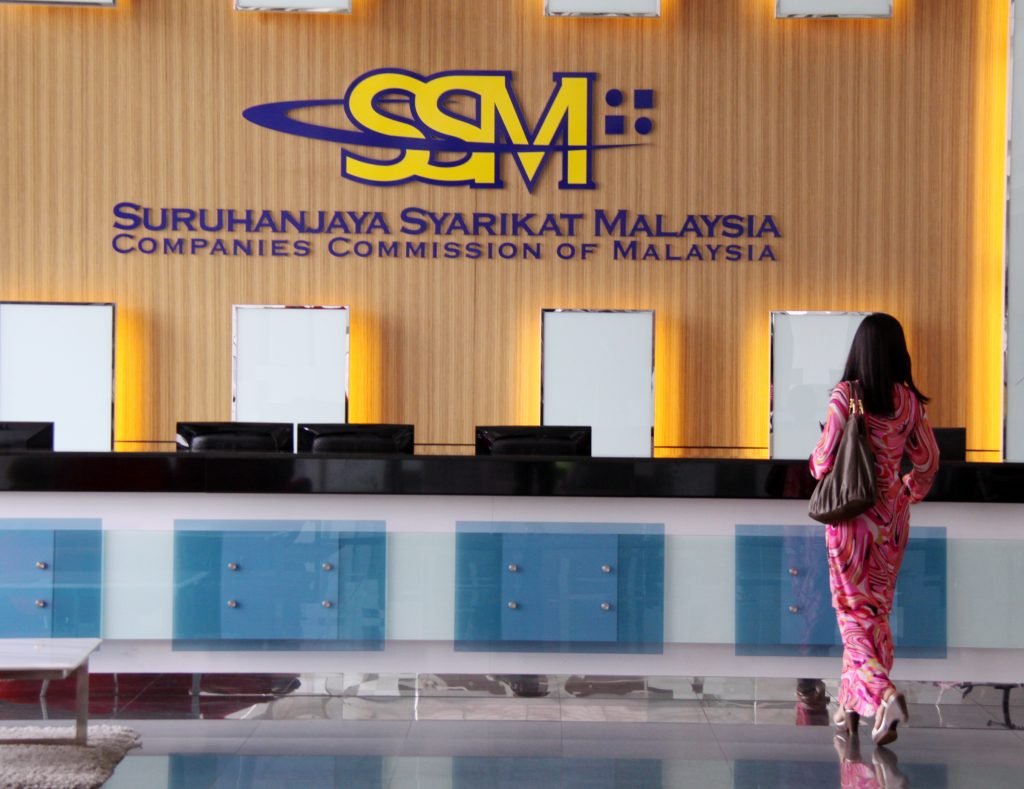
Imagine you are holding a bag of gold. You give it to a friend to hold because you’re going on a long trip. You tell him, “If I don’t come back, give this to my daughter.” In a professional setting, that “friend” is the trust company. In Malaysia, we have the Trust Companies Act 1949. This law is like a big brother watching over them. Furthermore, licensed trust companies in Malaysia are registered with the Companies Commission of Malaysia (SSM).
What many people don’t realize is that the assets you put into a trust no longer belong to you, but they don’t “belong” to the company’s owners either. They are kept in a separate “locker.” Therefore, even if the company faces issues, your assets stay safe. This is why people often ask, “Are trust companies in Malaysia safe?” because they want to know if their hard-earned money will vanish.

— Image sourced from the internet
Common trust company pitfalls and how to spot them
However, even with all these laws, things can still go wrong if you’re not careful. Common trust company pitfalls usually happen when there is a lack of transparency. Sometimes, people choose a company just because the fee is very low. But then, when it’s time to distribute the money to the kids, the service is slow, or the paperwork is a mess.
To be frank, the biggest pitfall is “setup and forget.” In 2026, with all the new LHDN digital requirements, you cannot just sign a paper and walk away. You need to make sure the company is actually doing the work. For example, if you have a shop lot in Johor Bahru under a trust, the rental income needs to be handled properly for tax purposes.
- Communication Gaps: The officer-in-charge keeps changing.
- Hidden Fees: Annual management fees that were not explained clearly.
- Compliance Issues: Not keeping up with the latest MyTax or e-Duti Setem updates.
So, are trust companies reliable if they don’t reply to your WhatsApp messages for three days? Probably not. It’s about the relationship and the service level, not just the license on the wall. In situations like this, organizations such as Global Asset Trustee (GAT) usually only play a supportive, administrative, or neutral assistance role to ensure the transition is smooth.
Who regulates trust companies and why it matters now
Many business owners ask me, “Who regulates trust companies?” and “Is my money actually protected if they go bust?” Actually, in Malaysia, it’s quite a tight ship. Besides SSM, certain types of trust activities might also fall under the watchful eye of Bank Negara or the Securities Commission, depending on what they are doing.
What’s interesting in 2026 is how digital everything has become. Gone are the days of just keeping a dusty file in a cabinet. Now, the government wants to see a digital trail. This is actually a good thing for you. It means there is more accountability. If you are wondering, “Are trust companies licensed?” you can actually check the official registries.
| Execution Item | Core Requirement | 2026 Strategic Notes |
|---|---|---|
| Settlor / Beneficiary | IC / Birth Certificate Copies | Mandatory KYC: real beneficial owner registration required. |
| Trust Deed | Letter of Wishes | Legal effect: ensures intent, assets, and beneficiaries are clearly defined. |
| Asset Injection | Title Deeds / Policies / Bank Statements | Digital compliance: stamp duty must be completed via e-Duti Setem. |
| Entry Fees | Coverage from RM250,000 / Cash threshold | Entry: setup fee from RM5,000, depending on asset complexity. |
Simply put, the regulation is there to prevent the “Can trust companies go bankrupt?” nightmare. Even if the company itself has financial trouble, the law says your trust assets are not their property. They are held in a separate legal “bucket.” This separation is the core of why people feel safe using a professional trustee.
Making it work for your family in 2026
What many people don’t realize is that a trust is like a living document. It needs to change as your life changes. Maybe you bought a new condo in Mont Kiara, or maybe your kids are now going to university in Australia. You need a trustee who is proactive.
Global Asset Trustee (GAT) and other professional firms have to follow these strict rules every day. But as a client, you shouldn’t feel like you’re reading a law book. It should feel as simple as planning a family holiday. You decide where to go, and the trustee handles the “flight bookings” and “visas” (the paperwork).
Are trust companies reliable for the average Joe? Yes, especially when you consider how long Probate can take in Malaysia. If you just leave a Will, it might take 1 to 2 years for your family to get the money. A trust can provide cash within weeks. That reliability in a crisis is why most people choose this path.
Honestly, at the end of the day, we all just want peace of mind. Whether you’re a business owner in Penang or a young parent in Subang Jaya, protecting your family is the priority. It’s about knowing that if something happens to you tomorrow, your family won’t be stuck in a legal mess for years. Take it slow, ask the right questions, and make sure whoever you choose is someone you actually feel comfortable talking to over a cup of kopi.
Website: globalassettrustee.com
Email: admin@globalassettrustee.com.my
Contact Number: 03-9771 5159
Address: A-13-4, Block A, Northpoint, 1, Medan Syed Putra Utara, Mid Valley City, 59200 Kuala Lumpur, Wilayah Persekutuan Kuala Lumpur
💬 With LHDN tightening supervision, can setting up a trust in 2026 still offer protection?
We’ve compiled the latest practical questions about the Section 82B rules, MITRS submission requirements, and the overseas income exemption before 2030.