
Diabetes Reversal Method works for both early and long‑term diabetics — Dr Julie Ng explains why early intervention helps, but even 10+ years can improve
Diabetes mellitus has become one of the most urgent public health crises in both Singapore and Malaysia. In Malaysia alone, the prevalence of diabetes among adults aged 20 to 79 years reached 19.9% in 2025, the highest among ASEAN nations. Every one in six adults in Malaysia has diabetes. Against this troubling backdrop, one question is asked more frequently than any other: Can diabetes be reversed? The short answer is yes — but the window of opportunity narrows significantly as the disease progresses. This article explores an evidence-based diabetes reversal method, comparing outcomes between early diagnosis and longstanding diabetes, while providing practical solutions tailored for Singapore and Malaysia.
🔴 Quick Read
- 1️⃣ Understanding diabetes reversal: what does it actually mean?
- 2️⃣ Why early diabetes has a significantly higher reversal probability
- 3️⃣ Can longstanding diabetes still be reversed? The evidence
- 4️⃣ The natural dietary approach that suits Singapore and Malaysia
- 5️⃣ Take action: Join 100-day diabetes reversal programme
Understanding Diabetes Reversal: What Does It Actually Mean?

Before comparing reversal rates between early and longstanding diabetes, the definition itself must be clearly understood. According to the consensus report jointly published by the Endocrine Society, the European Association for the Study of Diabetes, Diabetes UK, and the American Diabetes Association, Type 2 diabetes remission is defined as achieving and maintaining glycated haemoglobin levels below 48 mmol/mol (6.5%) for at least three months, without the need for diabetes-lowering medications.
This definition matters because it distinguishes true diabetes reversal method from mere glucose management through medication. It represents a state where the body maintains healthy glucose regulation independently.
| Category | HbA1c Level | Medication Requirement | Status |
|---|---|---|---|
| Normal | Below 5.7% | None | Healthy |
| Pre-diabetes | 5.7% – 6.4% | None | At risk |
| Diabetes (standard diagnosis) | 6.5% or above | Required for management | Active condition |
| Diabetes Reversal (Remission) | Below 6.5% for ≥3 months | None | Remission achieved |
The Malaysian Ministry of Health (MOH) has officially recognised diabetes reversal as a realistic target. The 6th edition Clinical Practice Guidelines (CPG) for Type 2 Diabetes Mellitus now highlights that weight reduction of 15% can achieve reversal — even for patients diagnosed for more than three years.
Why Early Diabetes Has a Significantly Higher Reversal Probability
The single most important predictor of successful diabetes reversal method is the remaining function of pancreatic beta-cells. These cells produce insulin, and their progressive decline is a hallmark of Type 2 diabetes progression.
A landmark analysis of more than 12,000 patients from global clinical trials revealed sobering figures. At the time of diagnosis, beta-cell function is already reduced by approximately 50%. Worse still, beta-cell function continues to decline by an estimated 4% each year following diagnosis. The United Kingdom Prospective Diabetes Study (UKPDS) — one of the largest and longest-running diabetes trials in history — documented that homeostatic model assessment of beta-cell function (HOMA-B) dropped from 50% at diagnosis to just 28% after six years.
This decline has direct implications for reversal success:
- Early intervention (within 0–1 year of diagnosis): Beta-cell function approximately 50-46%. With structured dietary intervention, high reversal probability exists. Singapore’s National Healthcare Group Polyclinics (NHGP) Diabetes Remission Clinical Trial demonstrated that 41.9% of patients with early Type 2 diabetes achieved remission after just one year of community-based weight management.
- Delayed intervention (beyond 6 years of diagnosis): Beta-cell function approximately 28% or lower. Reversal becomes substantially more challenging, requiring aggressive weight loss (up to 15% of total body weight) and sustained dietary commitment.
The bottom line is clear: for a diabetes reversal method to yield optimal results, it must be implemented as early as possible after diagnosis.
Can Longstanding Diabetes Still Be Reversed? The Evidence
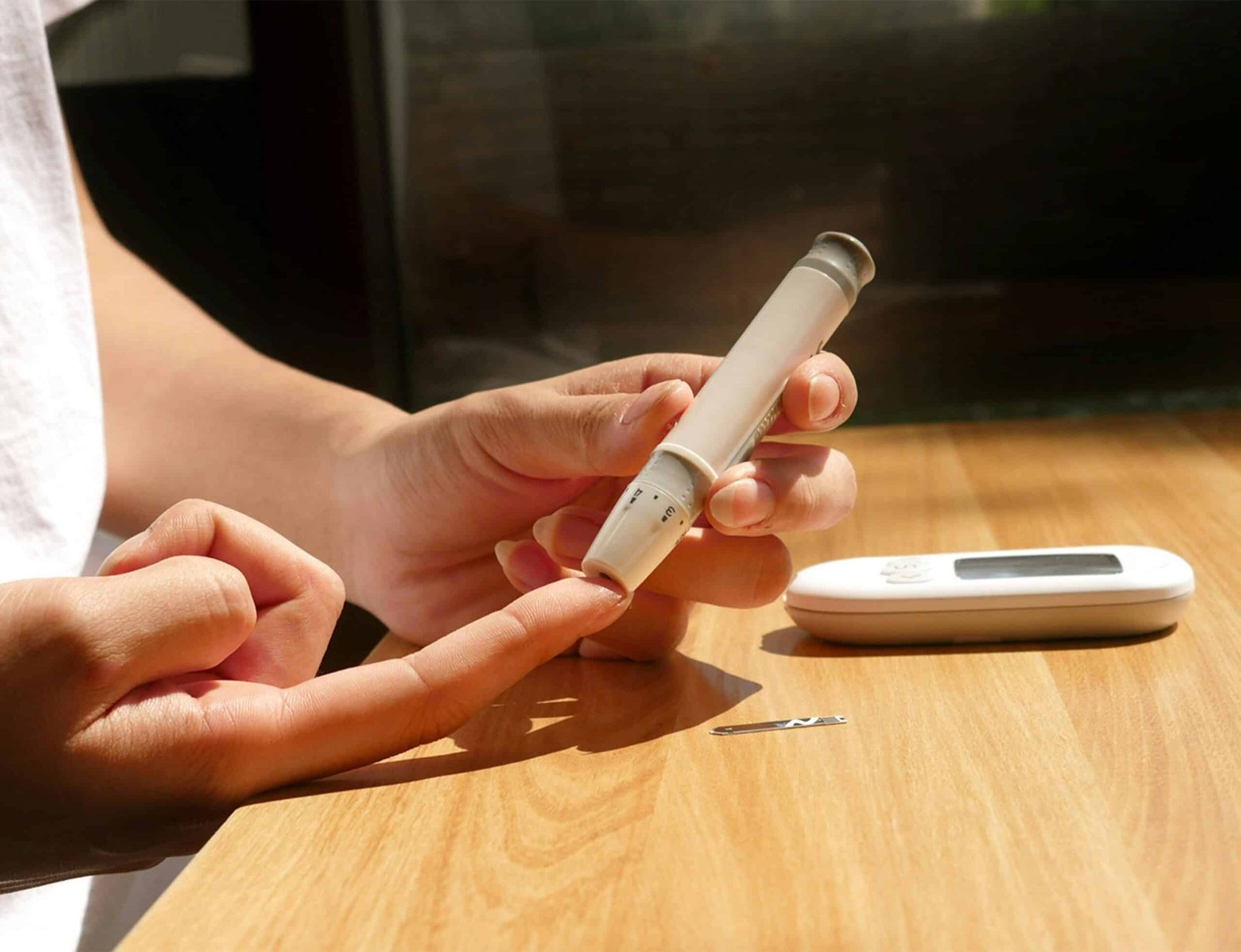
A diagnosis of five, ten, or even fifteen years does not make reversal impossible — it simply makes it harder. The 6th edition of Malaysia’s Clinical Practice Guidelines (CPG) for the Management of Type 2 Diabetes Mellitus offers encouraging news for long-term patients. Research cited in the guidelines found that even for patients already diagnosed with Type 2 diabetes for more than three years, achieving a 15% reduction in total body weight can successfully reverse the condition.
However, real-world success rates are considerably lower. A study tracking more than 37,000 people with Type 2 diabetes over eight years found that only 6% of patients achieved remission at some point during the study period. Among those who did, approximately two-thirds relapsed and required diabetes medication again within three years.
| Diabetes Duration | Beta-cell Function Remaining | Reversal Probability | Key Requirement |
|---|---|---|---|
| Newly diagnosed (0-1 year) | 50-46% | High (40%+ with structured support) | Weight loss 10-15% + dietary education |
| 2-5 years since diagnosis | 42-30% | Moderate | Weight loss 12-15% + structured programme |
| 6+ years since diagnosis | 28% or less | Low to moderate | Weight loss 15%+ + intensive lifestyle intervention |
These statistics should not discourage patients with longstanding diabetes. Rather, they underscore the critical importance of choosing the right diabetes natural diet approach with professional guidance.
The Natural Dietary Approach That Suits Singapore and Malaysia
One of the primary reasons many Singaporeans and Malaysians struggle with diabetes diet adjustment plans is the disconnect between generic dietary advice and local food culture. Telling someone in Penang or Singapore to avoid rice, noodles, and hawker centre meals entirely is neither realistic nor sustainable.
Dr Julie Ng, a Nutrition PhD accredited by the Ministry of Health (MOH) under the Malaysian Allied Health Professions Council (MAHPC), Registered under Malaysian Allied Health Professions Council Act 774, has developed a diabetes natural diet framework specifically designed for Singapore and Malaysia. The core principle is simple: no meal skipping, no product dependency, and full compatibility with eating out.
The diabetes meal planning system focuses on:
- Identifying hidden glucose disruptors in local dishes (sweet soy sauce in char kway teow, condensed milk in teh tarik, sugar-laden sauces in mixed rice dishes)
- Optimising meal sequencing — vegetables and protein first, carbohydrates last
- Balancing macronutrient ratios without requiring expensive specialised foods
- Eating out with confidence — practical strategies for kopitiam, hawker centres, and food courts
This approach has already helped more than 5,800 individuals improve their diabetes condition. It is currently one of the most recommended diabetes courses and a leading Malaysia best diabetes reversal programme recognised by patients across both countries.
Take Action: Join 100-day Diabetes Reversal Programme
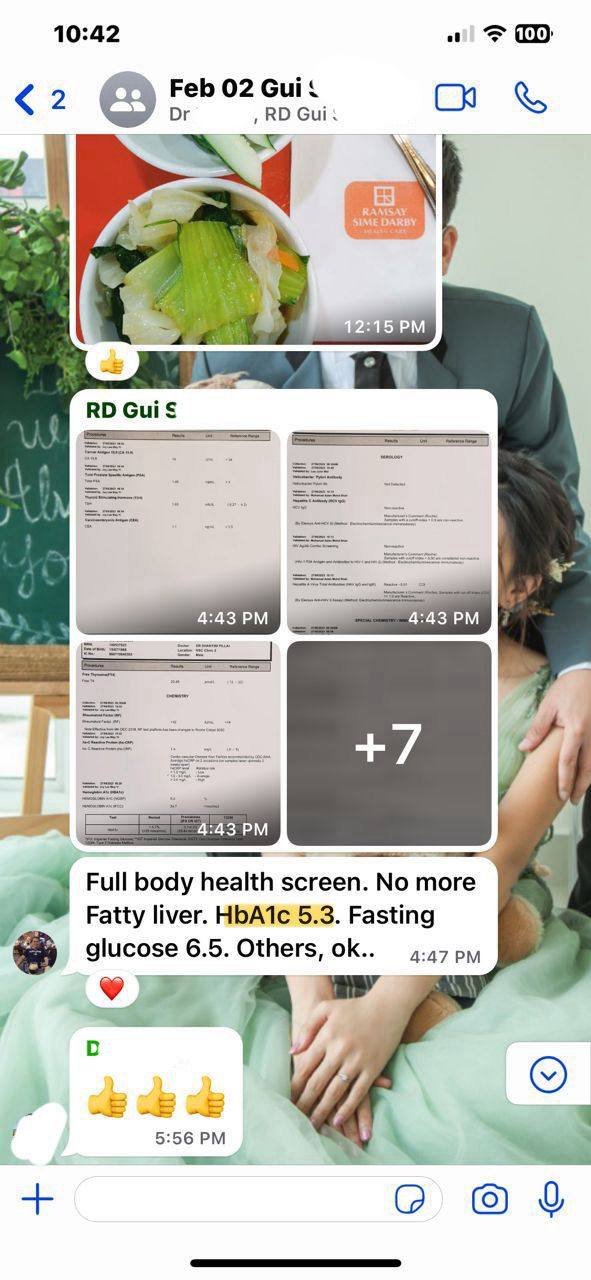
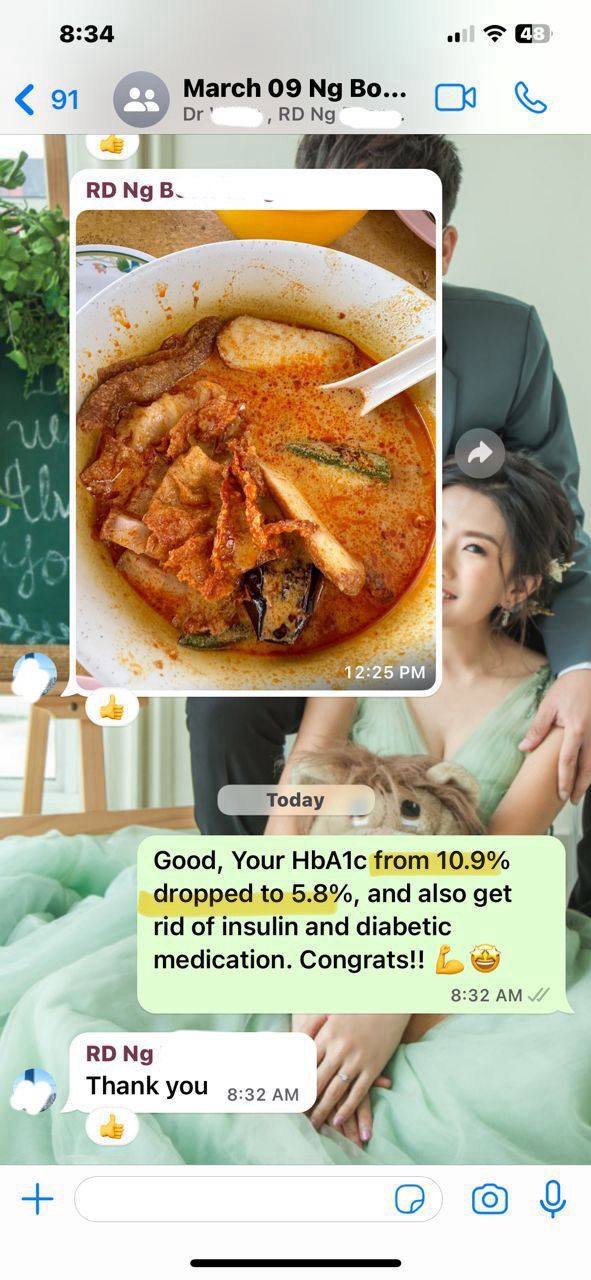
Understanding the science behind how to reverse diabetes is only the first step. Sustainable change requires structured guidance, accountability, and personalised dietary planning.
Dr Julie Ng team’s 100-day meal adjustment plan provides:
- 1-on-1 online nutrition consultation — customised diabetes dietary plan based on individual health reports and dietary preferences
- Group coaching with ongoing guidance — weekly education sessions addressing real-life challenges
- Eat-out friendly strategies — practical solutions for Singapore and Malaysia’s hawker centre culture
- Zero product dependency — all recommendations based on real food available at any grocery store or market
This is not a generic programme. Every participant receives a personalised diabetes nutrition management strategy designed to fit their lifestyle, not the other way around. To learn more about diabetes reversal dietary education, or Join Dr Julie Ng team’s 100-day diabetes reversal programme, visit the official website: drjuliediabetes.com
🤔 Can diabetes be fully reversed or just managed?
Evidence-based answers to the most common questions about diabetes reversal methods.