

For individuals in Malaysia proactively planning their end-of-life arrangements, the conversation often revolves around two profoundly important decisions: the distribution of assets and the noble act of organ donation after death. This dual consideration naturally leads to a common, yet often misunderstood, question: Should you include organ donation in your will in Malaysia?
The immediate, practical answer is complex, rooted in the separate legal frameworks governing property and medical execution. A Last Will and Testament, governed by the Wills Act 1959, is fundamentally a document for asset succession. Organ donation, on the other hand, is a matter of public health policy and immediate medical urgency. Understanding this clear separation is vital for anyone wishing to ensure both their financial legacy and their act of generosity are successful.
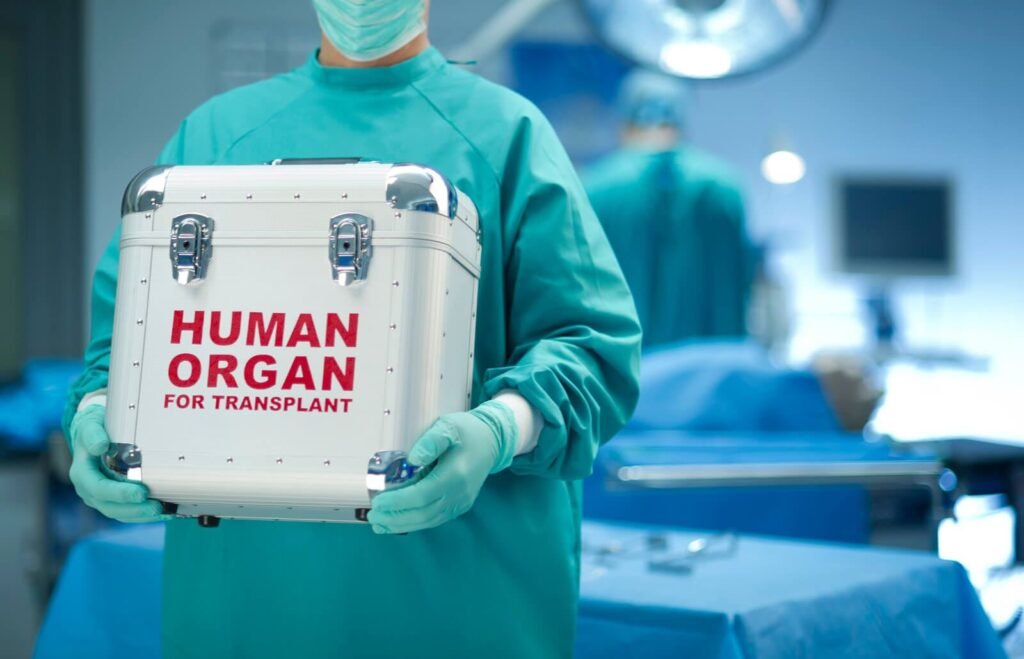
The Legal Distinction: Is Organ Donation Legally Binding Through a Will?
Many believe that listing their wish in an organ donor will is sufficient. However, this conflates two systems with vastly different timelines and legal procedures.
1. The Will’s Slow Lane: Property over Promptness
A will’s primary purpose is to outline who gets what and who manages the process (the Executor). Crucially, a will only becomes actionable after it is submitted for probate (or Letters of Administration), a legal process that can span months or even years in Malaysia, depending on the complexity of the estate.
If a person suffers a brain death—the prerequisite for most organ donations—the window for a successful transplant procedure is often a matter of hours. Relying on a document trapped in a lengthy legal queue fundamentally prevents the timely execution of the donation wish. Therefore, for effective execution, the donation intent must be documented elsewhere.
2. The Donation’s Fast Track: Consent and Official Documentation
The true legal weight for organ donation in Malaysia lies in the official medical and public health framework. The organ donation legal process is streamlined for urgency:
- Official Registration: The individual must officially register their intent with the National Transplant Resource Centre (NTRC) and carry the official organ donation documentation (the donor card).
- Family Consent: While the card signifies the individual’s wish, the Malaysian system places a significant emphasis on family consultation and consent. Without the family’s support at the critical moment, the process is unlikely to proceed.
This structure confirms that to successfully include organ donation in your final wishes, a will is not the appropriate, nor is organ donation legally binding if solely contained within it. The process is distinct and time-sensitive.
Strategizing Your Dual Legacy: How to Arrange Both
A comprehensive end-of-life plan requires a two-pronged strategy: securing your financial legacy and confirming your organ donation consent.
Step 1: Secure Your Financial Will with Efficiency
For the estate arrangements, the focus must be on efficiency and legal accuracy to mitigate the risks of family disputes and financial delays (a major pain point in the local context).
This is where digital solutions come into play. The SmartWills online platform offers an efficient, legally compliant way to draft your will, appoint an executor, and designate beneficiaries. This addresses the common issue of improperly drafted wills that lead to further court delays.
Moreover, the secure and neutral administration of your will is paramount. When addressing the question of organ donation in will, professional providers often act as a neutral administrative body. Organ donation in will, such as (SmartWills), often serves as a neutral administrative role in such structures. This means the platform ensures the drafted will is securely stored and that the Executor can swiftly access the necessary information post-demise, drastically reducing the time required to begin the probate process. This administrative efficiency protects your family from prolonged financial uncertainty.
Step 2: Formalize Your Organ Donation Consent
To guarantee your wish to include organ donation is honoured, follow the official, non-will path:
| Action Item | Purpose (Why it’s necessary) | Timing & Documentation |
|---|---|---|
| Official Pledge | Makes your intent recognised within the medical system. | Register with NTRC (National Transplant Resource Centre) and obtain the donor card. |
| Family Communication | Essential for real-world execution, since family consent often matters in practice. | Discuss your decision clearly and seek agreement from immediate family members. |
| Carrying Documentation | Helps first responders or hospital staff locate your wish quickly. | Keep the donor card together with your IC or in your wallet. |
Conclusion: Planning Beyond Property
While the impulse to include organ donation in your will is understandable—a desire to consolidate all final wishes—the reality of Malaysian law dictates a separation. The will’s scope is limited to property, while the organ donation legal process demands immediate action.
The most responsible and effective plan is to: 1) use the SmartWills online platform to create a legally sound and securely stored will for your assets, ensuring your family is protected; and 2) follow the official NTRC procedure for organ donation consent, backed by transparent family communication. Only through this dual-track approach can you ensure both your financial legacy and your life-saving generosity are successfully realised.
Website:https://smartwills.com.sg/ (SG) | https://smartwills.com.my/ (MY)
Email:enquiry@smartwills.com.sg | enquiry@smartwills.com.my
Contact: SG- 65 8913 9929 / MY – 012 334 9929
Address:SG – 1, NORTH BRIDGE ROAD, #06-16 HIGH STREET CENTRE, SINGAPORE 179094
MY – No. 46A (1st Floor, Jalan Ambong 1, Kepong Baru, 52100 Kuala Lumpur