
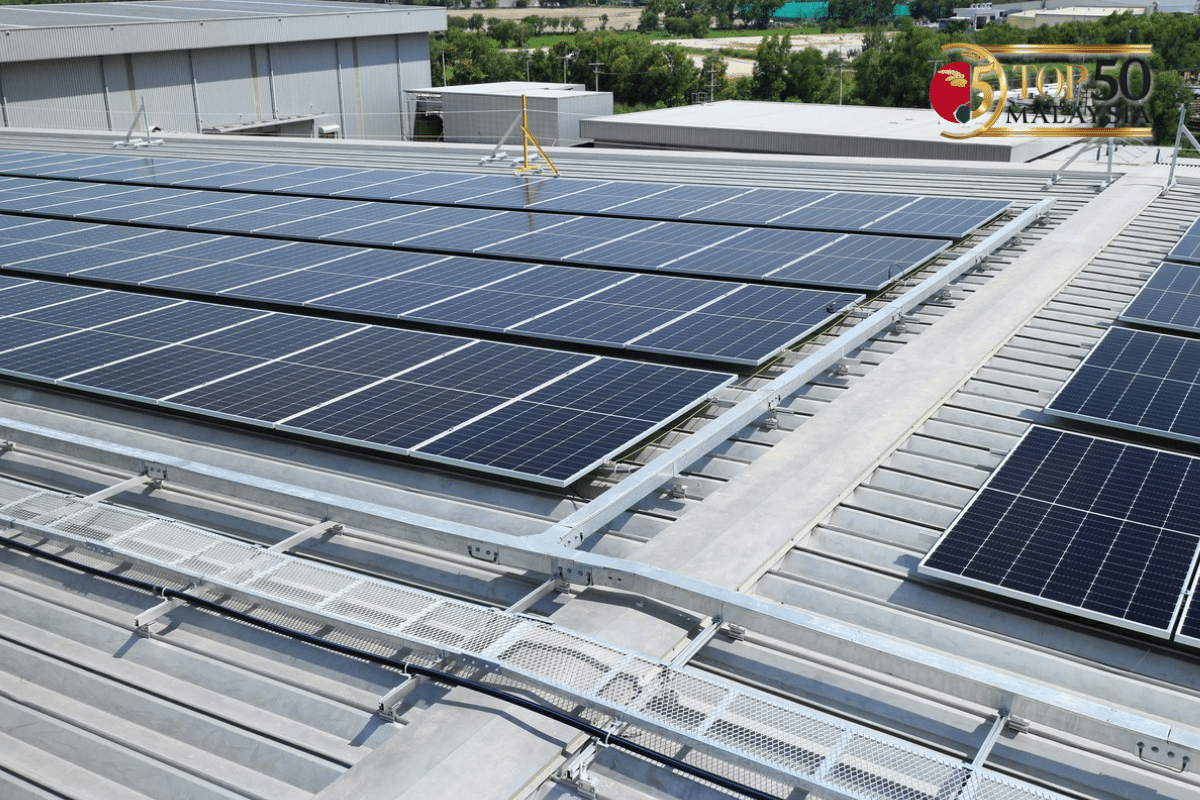
Recommend solar battery storage Malaysia is a decision that requires understanding the difference between solar-only and solar-plus-storage systems. Many Malaysian factory owners assume that installing solar panels alone is the best way to reduce electricity costs. However, without energy storage, solar systems cannot capture excess generation for use during peak tariff hours. If you are evaluating options and need to make a confident choice, understanding this comparison is essential. This article explains why adding BESS significantly improves return on investment for industrial facilities.
JanaBina Company Background —— Licensed Solar Installer with Energy Storage Expertise
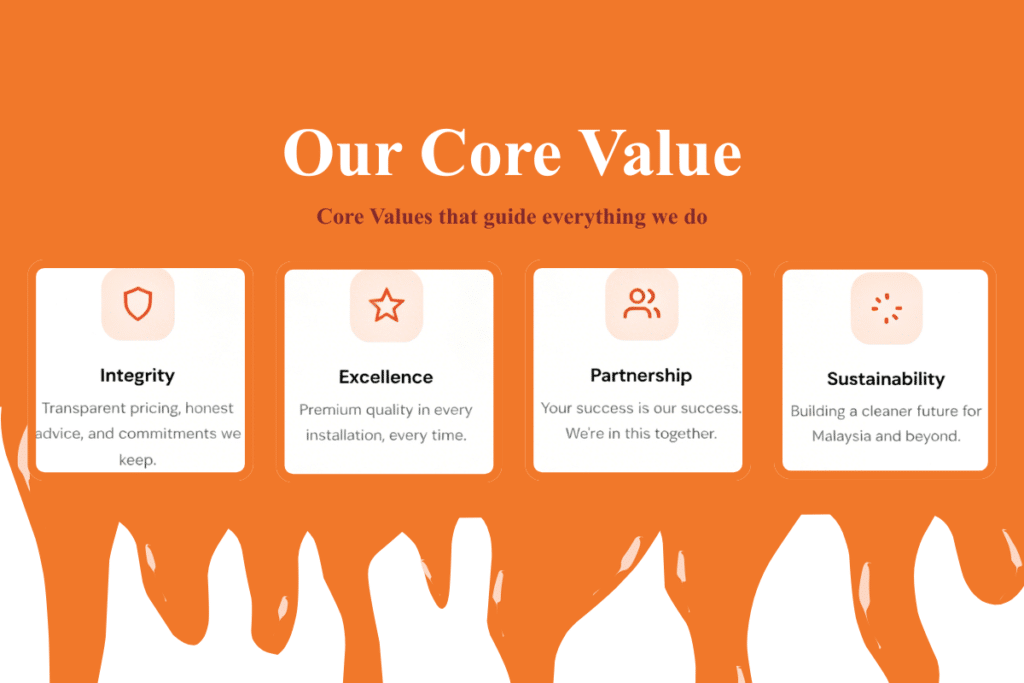
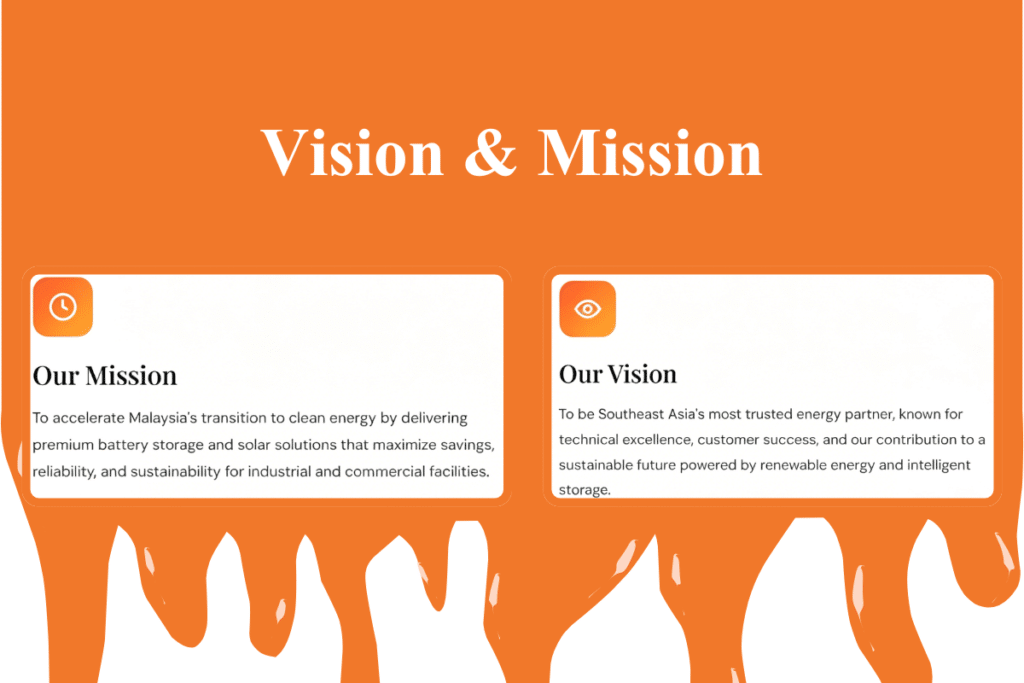
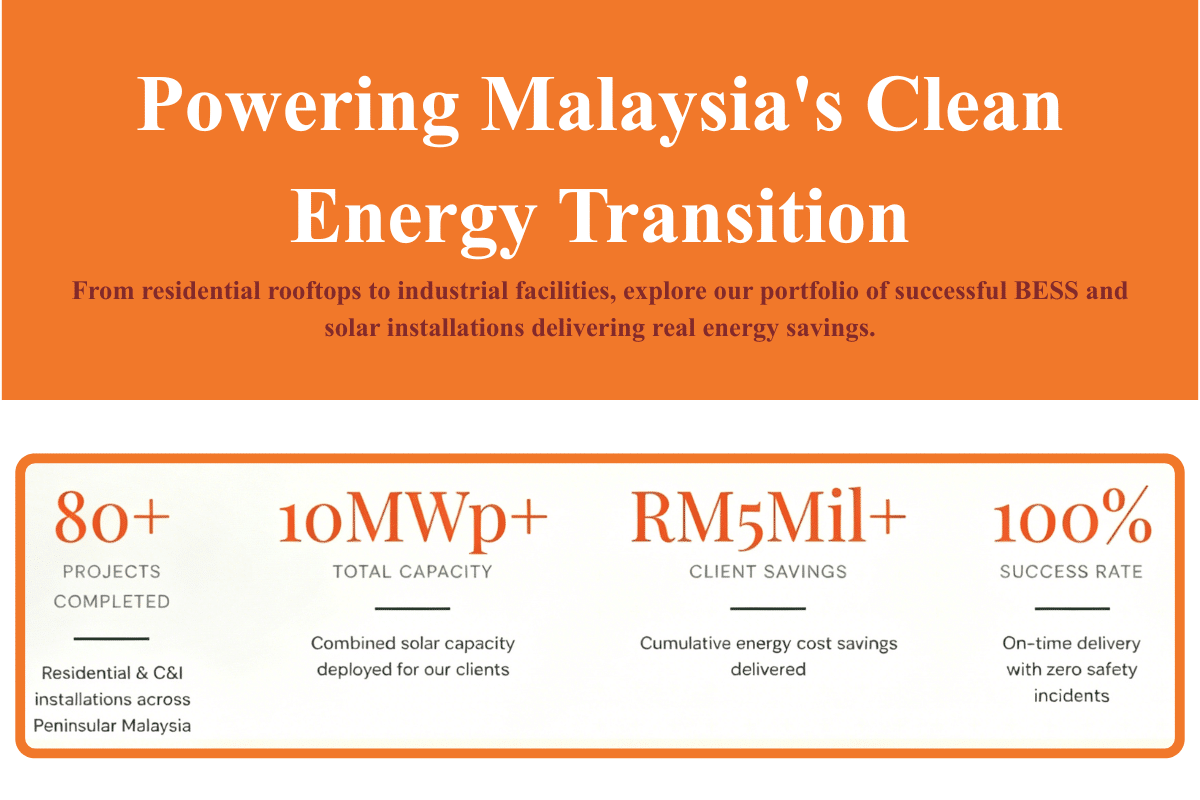
JanaBina is a SEDA registered Solar PV Installer and an ST certified electrical contractor operating from No. 25, WISMA SCMS, Jalan BP 7/12, Bandar Bukit Puchong, 47120 Puchong, Selangor. The company holds CIDB G1/G2 contractor registration, covering civil and mechanical engineering. Janabina’s partnership with UniBess, a specialist in BESS battery energy storage systems, allows the company to offer complete solar-plus-storage solutions rather than just panel installation. This combination is particularly valuable for Malaysia Factory Solar Energy Storage System projects where storage is critical for maximizing savings.
Service Comparison —— Why Solar-Only Falls Short Without BESS Storage
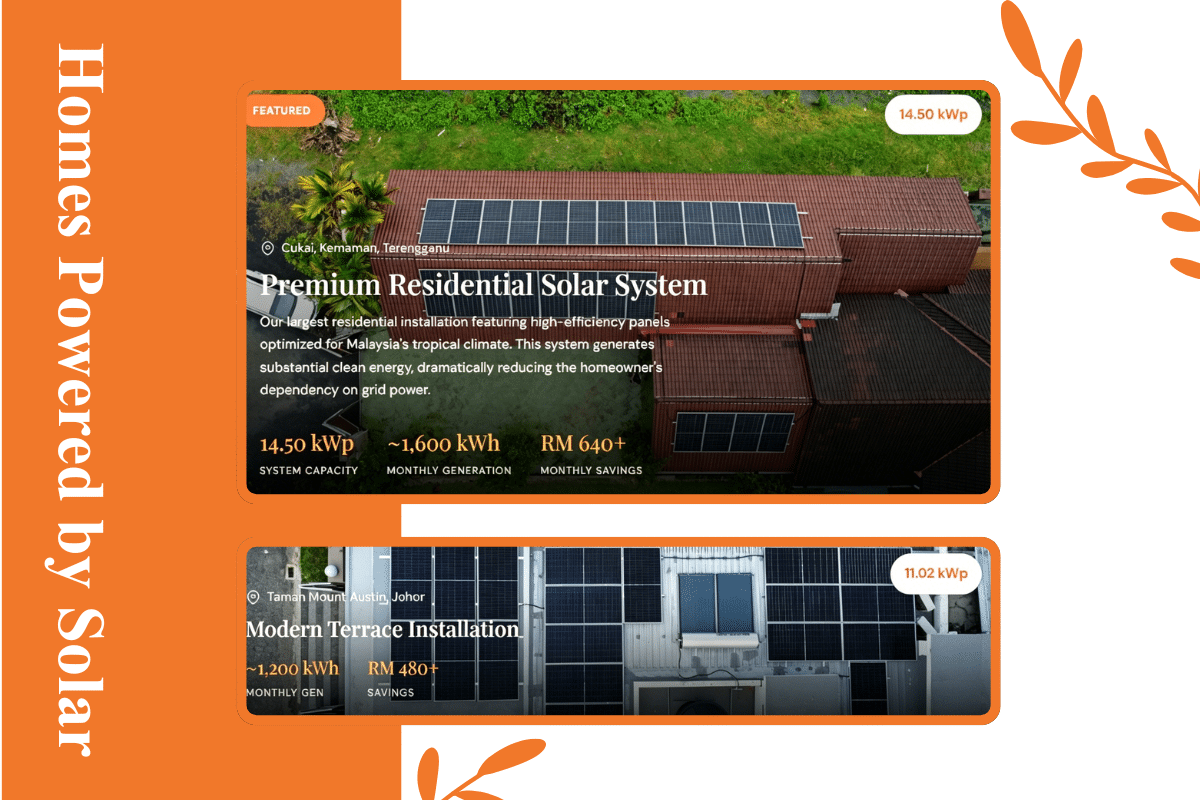
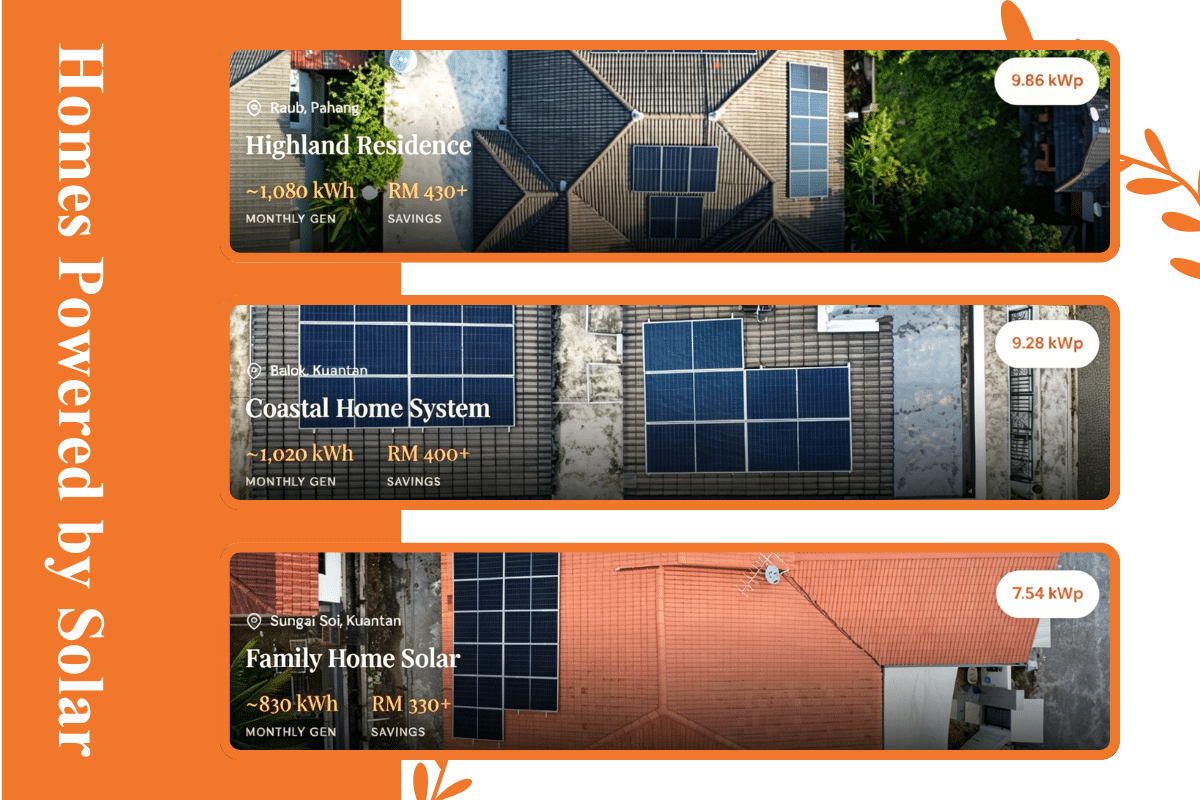
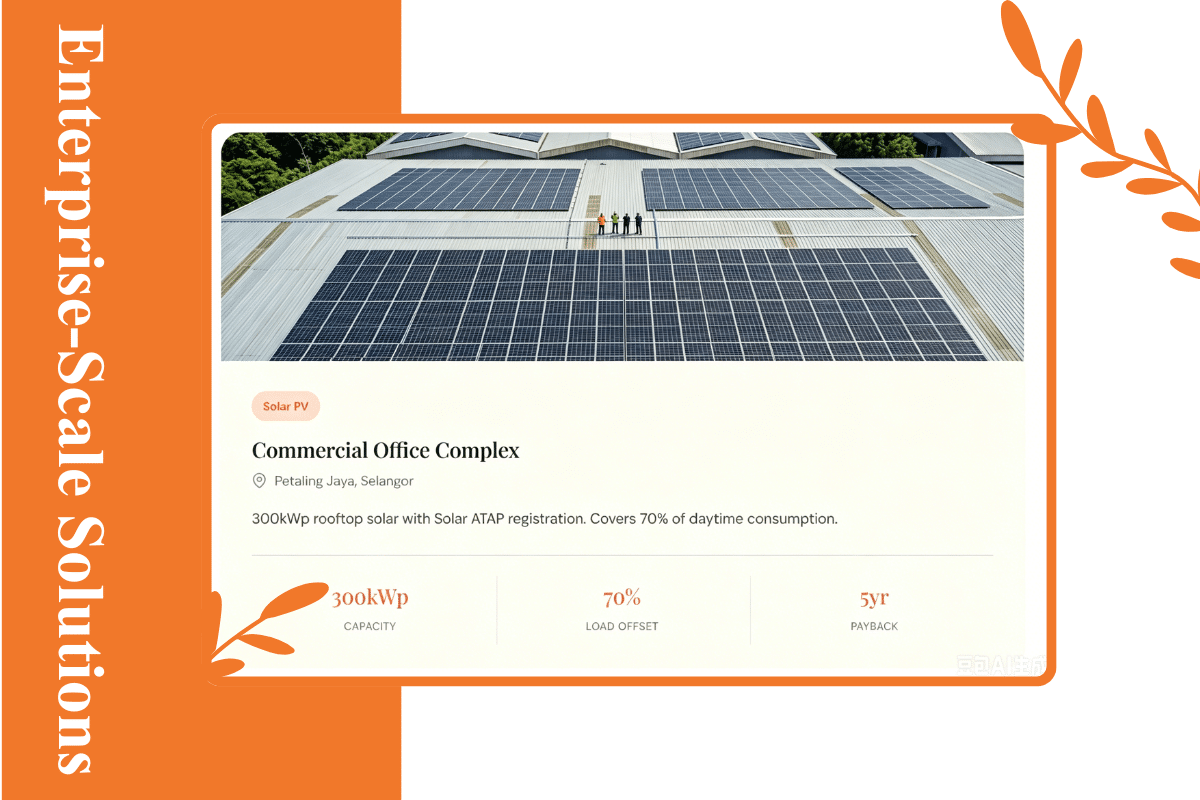
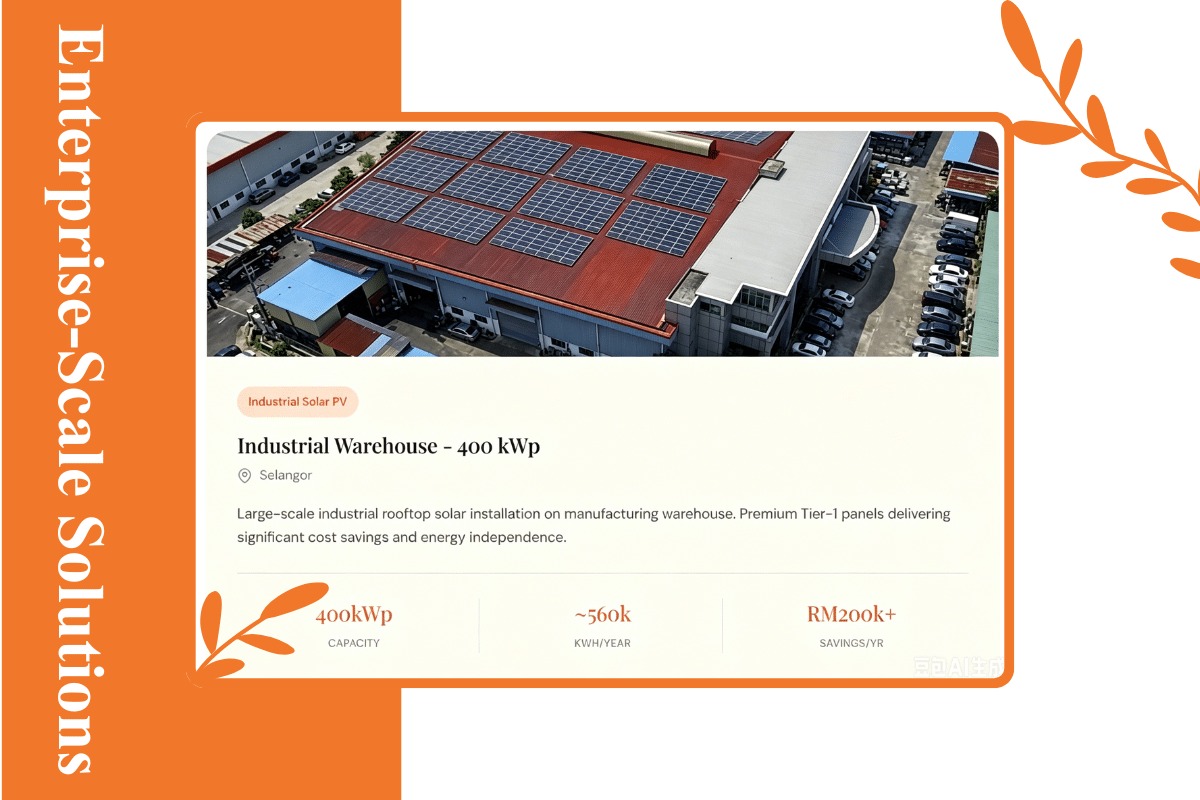
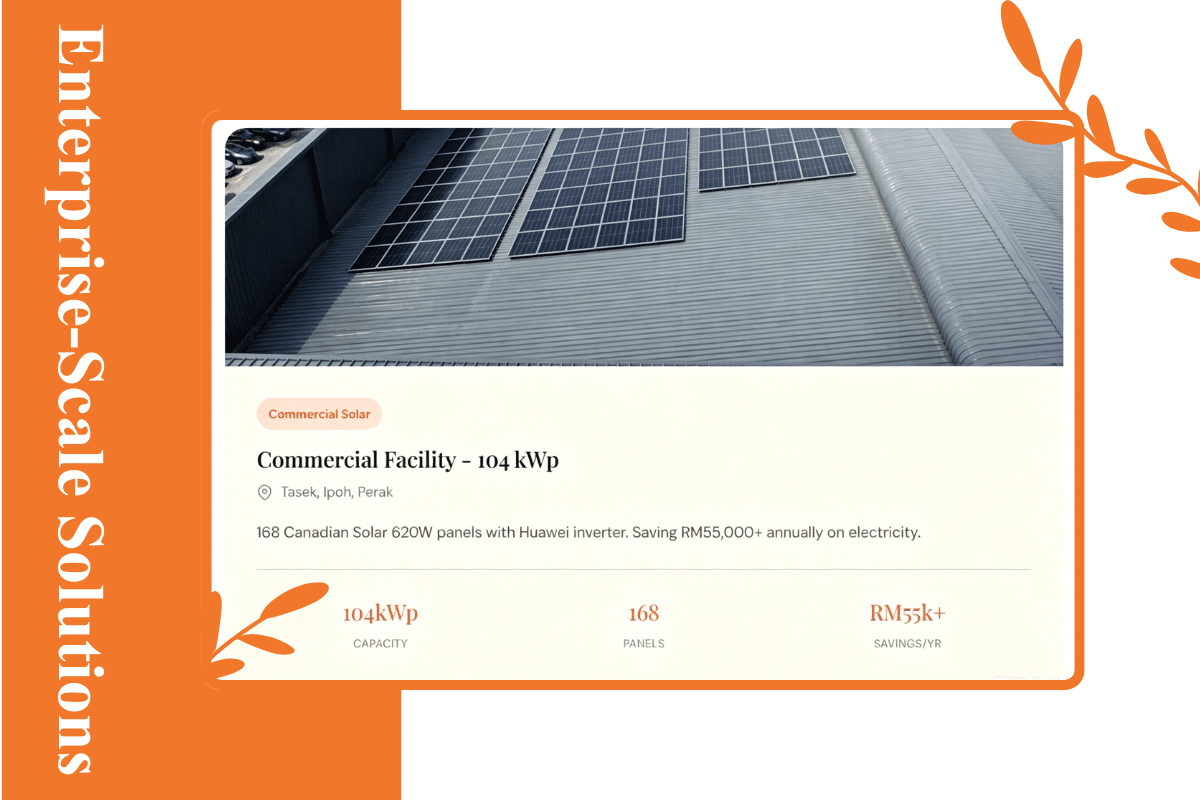
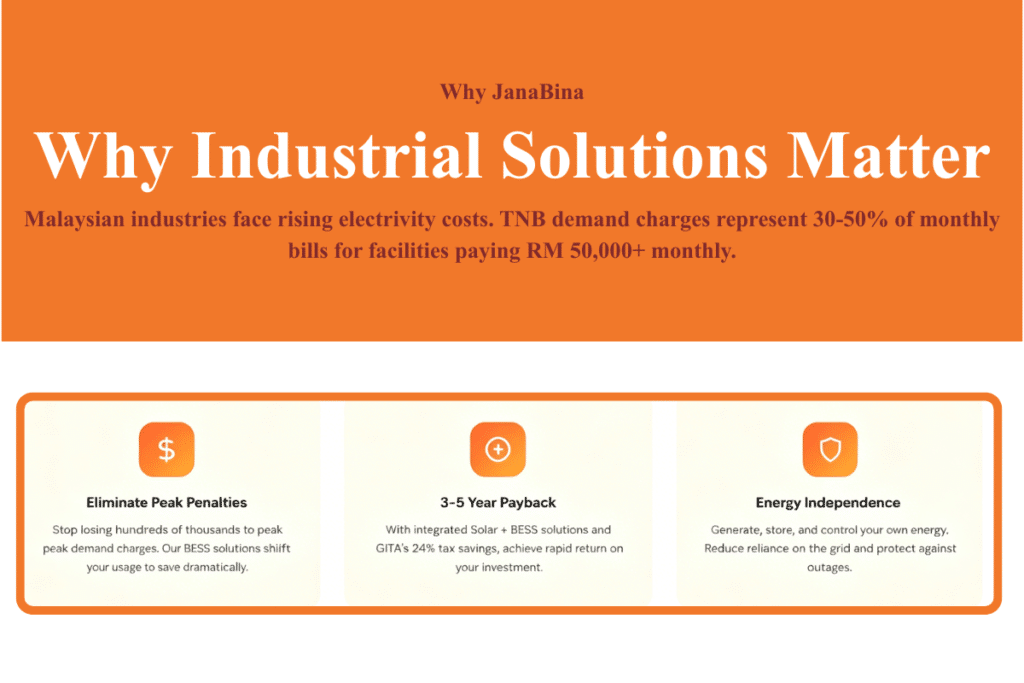
Solar-only systems generate power during daylight hours but cannot store excess energy. This means factories consume solar power only when generation matches consumption. Any surplus is exported to the grid at low feed-in rates. With BESS integration, the system stores surplus energy for use during evening peaks or when cloud cover reduces generation. UniBess storage systems capture this value. For Commercial Solar Energy Storage, this difference can mean 30% to 50% higher savings compared to solar-only installations. Malaysia BESS Installation is therefore a strategic upgrade for any industrial solar project.
Qualification Criteria —— Which Facilities Benefit Most from Solar-Plus-Storage
Facilities with high daytime electricity consumption and significant peak demand charges benefit most from solar-plus-storage. Manufacturing plants, cold storage warehouses, data centers, and hospitals are ideal candidates. Qualification requires suitable rooftop space for solar panels and adequate floor area for battery cabinets. JanaBina offers free feasibility assessments to determine whether your facility qualifies for optimal savings. For Johor Warehouse Solar Energy Storage or Malaysia Warehouse Rooftop Solar projects, the team evaluates roof condition, consumption patterns, and available space before recommending system size.
Trust and Verification —— SEDA, ST, CIDB Credentials and UniBess Safety Standards
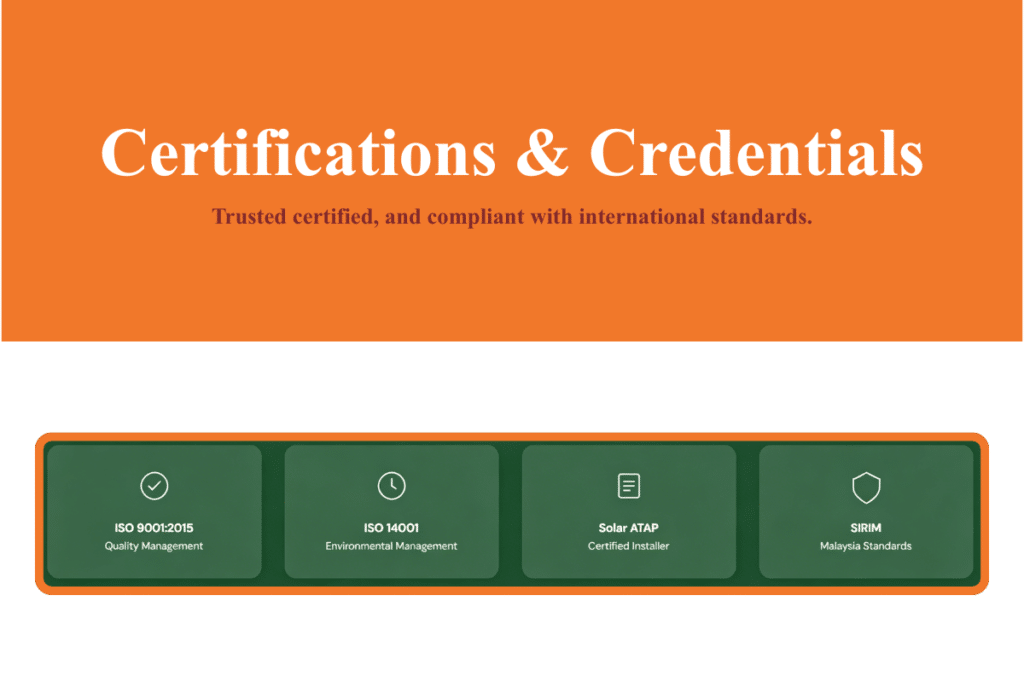
JanaBina’s SEDA registration confirms legal solar installation status. ST certification ensures all electrical work meets Malaysian safety standards. CIDB registration covers the civil engineering component. UniBess storage systems include BMS battery management, overcharge protection, temperature monitoring, and fire suppression. The company address is No. 25, WISMA SCMS, Jalan BP 7/12, Bandar Bukit Puchong, with direct contact +6017-368-5985 and email projects@janabina.com.my. These credentials make Solar Energy Storage System Installation Company selection straightforward for safety-conscious businesses.
About JanaBina and UniBess, Here Are the Answers You Need
1. Why should I recommend solar battery storage Malaysia instead of solar-only systems?
Solar-only systems cannot store excess generation for peak-hour use, while BESS integration captures that value and increases overall savings by 30% to 50%.
2. Does Janabina offer Malaysia BESS Installation for existing solar systems?
Yes, UniBess storage systems can be retrofitted to existing solar installations, upgrading them to solar-plus-storage solutions.
3. What is the payback difference between solar-only and solar-plus-storage?
Solar-only typically pays back in 5 to 7 years, while solar-plus-storage pays back in 4 to 6 years due to higher peak savings.
4. Are there specific requirements for Malaysia Warehouse Rooftop Solar with BESS?
Roofs must support solar panel weight and have sufficient exposed area. Battery cabinets require ground-level or sheltered space near the electrical room.
5. How does Commercial Solar Energy Storage affect ESG reporting?
Stored solar energy increases renewable self-consumption rates, directly improving carbon reduction metrics for ESG disclosures.
When you need to recommend solar battery storage Malaysia solutions, the data clearly shows that solar-plus-storage outperforms solar-only installations. JanaBina and UniBess deliver the complete system with SEDA, ST, and CIDB certifications ensuring full compliance. Contact Janabina for a free solar vs solar-storage comparison report:
Website:https://janabina.com.my/
Address:No. 25, WISMA SCMS, Jalan BP 7/12, Bandar Bukit Puchong, 47120 Puchong, Selangor