
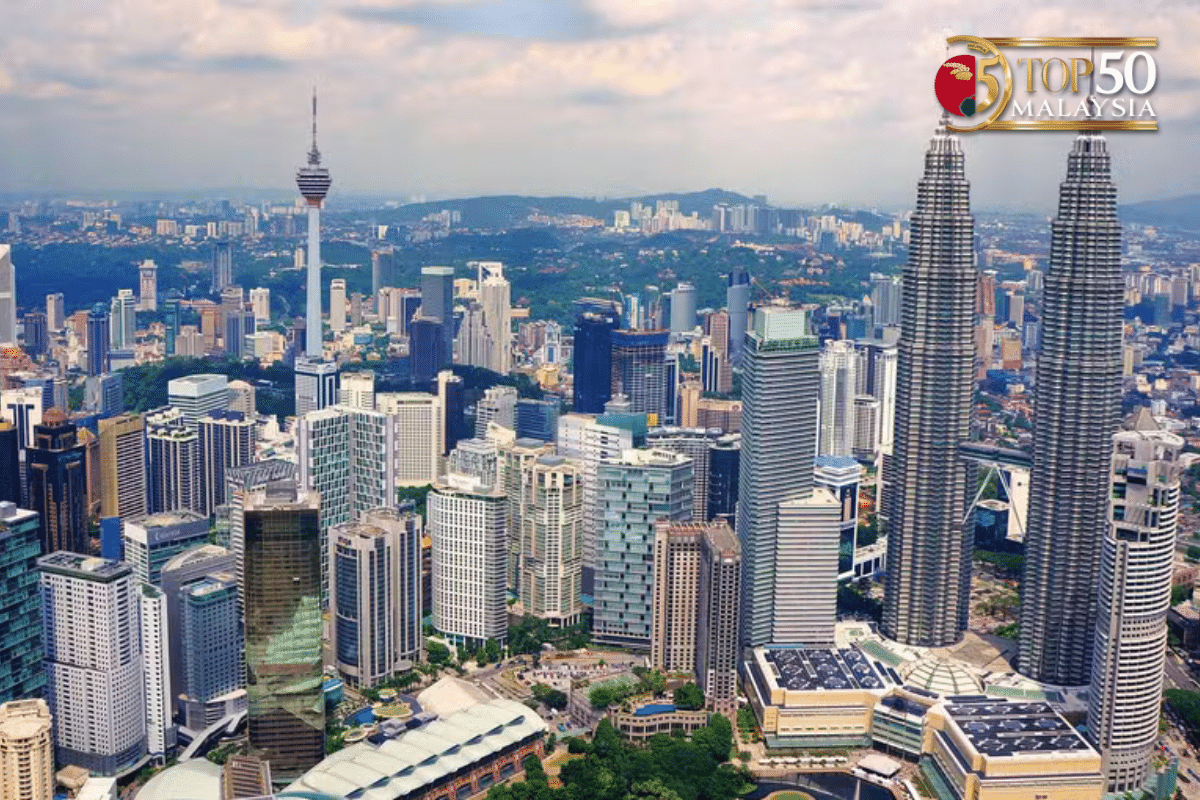
Understanding the Malaysia Madani Economy: How Real People and Local Businesses are Navigating the New Framework
If you have been spending any time at your local kopitiam in PJ or catching up with friends over mamak in Sri Petaling, you have probably heard the term Malaysia Madani Economy being tossed around. It sounds like one of those big government slogans we see on billboards along the Federal Highway, but for the average person running a business or working a 9-to-5, what does it actually mean for our wallets?
At its core, the madani economy malaysia isn’t just a fancy name. It is designed as a madani economic framework to fix some of the long-standing “leakages” in our system. Think of it like a major renovation for an old house. You can’t just paint the walls; sometimes you need to fix the wiring and the plumbing so the whole structure doesn’t collapse ten years down the road. This malaysia economic reform is essentially the government trying to reset the foundations so that growth doesn’t just stay at the top but actually trickles down to the Rakyat.
From SS2 to Bayan Lepas: How Small Businesses Feel the Shift
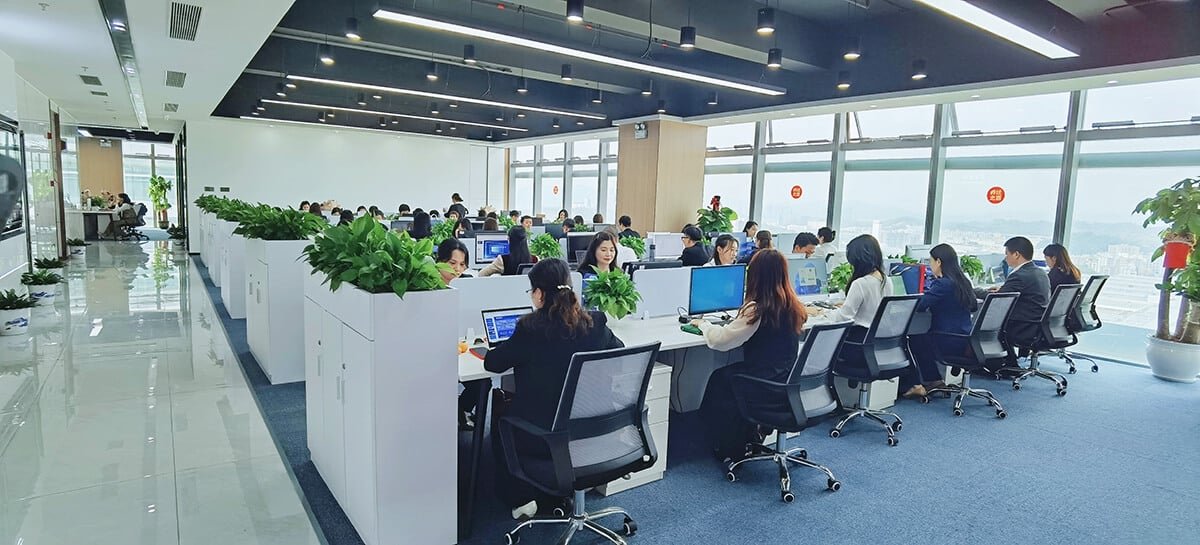
For many SME owners, the first thing they look for in any malaysia madani policy is support. Let’s be real—running a business in Malaysia right now is “shiong” (tough). Costs are rising, and the talent war is real. The madani government initiative has put a lot of focus on madani entrepreneurship support, especially for those trying to modernize.
Take a small printing shop in Johor Bahru or a cafe in Penang, for example. Under the madani SME policy, there is a clear push towards the madani digital economy. The government wants businesses to stop relying on old-school manual methods and start embracing automation. It sounds intimidating, but the madani economy benefits are usually hidden in the grants and tax incentives meant to help you buy that new software or upgrade your POS system.
Fixing the Leakage: The Reality of Malaysia Fiscal Reform
We cannot talk about the madani economy explained without mentioning the elephant in the room: malaysia fiscal reform. This is the part that makes everyone a bit nervous because it usually involves things like targeted subsidies. For years, we’ve lived in a bubble where petrol and sugar are heavily subsidized, but the madani national vision argues that this isn’t sustainable.
The madani budget malaysia has been shifting towards “Targeted Subsidies.” The idea is simple: why should a billionaire driving a luxury SUV get the same petrol subsidy as a Grab driver or a delivery rider? By tightening these belts, the malaysia economic roadmap aims to channel that saved money into madani social economy projects—like better healthcare, improved public transport, and direct cash aids for the B40 and M40 groups. It’s a painful transition, but most economists agree it’s a “bitter medicine” we need for long-term madani economic growth.
The Tech Push Malaysia Madani Economy: Why “Digital” is the New Keyword

If you’ve noticed more talk about “Cashless Payments” or “E-Invoicing” lately, that is the malaysia madani reforms in action. The government is pushing hard for the madani digital economy because it makes everything more transparent. When things are digital, it’s harder for money to “disappear” into thin air.
For the younger generation in Bangsar or the tech hubs in Cyberjaya, this feels natural. But for the older generation of entrepreneurs, it’s a steep learning curve. The madani economy for businesses is trying to make this transition easier by providing training modules and digital grants. It’s not just about being “high-tech”; it’s about making sure Malaysian businesses can compete with our neighbors in Singapore and Vietnam. If we don’t upgrade, we get left behind. It’s as simple as that.
Malaysia Madani Economy Living the Vision: What to Expect in the Next Two Years
The madani public policy isn’t going to change your life overnight. You won’t wake up tomorrow and find that everything is 50% cheaper. Instead, it’s a slow burn. The madani economy malaysia is looking at a ten-year horizon. We are currently in the “adjustment phase,” which is always the most uncomfortable part.
What you should be looking out for are the specific rollouts in your industry. Whether it’s new guidelines for the madani social economy or specific perks under the madani entrepreneurship support schemes, the information is out there. It’s just a matter of filtering through the noise. People often ask, “Is this just another political slogan?” Only time will tell, but the framework itself is the most detailed malaysia economic reform we have seen in over a decade.
Official Website: Ekonomi MADANI – Malaysia MADANI
Reference
- Ministry of Finance Malaysia (MOF) – MADANI Economy: Empowering the People Framework. (Official government portal regarding fiscal reforms and national vision).
- The Star Online – Understanding the Madani Economic Framework. (Local news coverage on the practical implications for SMEs and the public).
- MDEC (Malaysia Digital Economy Corporation) – Digital Initiatives under the Madani Vision. (Details regarding digital economy support and entrepreneurship).
💬 Frequently Asked Questions (FAQ)
We’ve simplified the most common questions about the current economic landscape.