

Malaysia Corporate Successors such as Chryseis Tan, Lee Yeow Chor, Lee Yen Chong, Ruth Yeoh and Kuok Meng Wei shape modern decision models across Berjaya, IOI, 99 Speedmart, YTL and the Kuok Group, driving shifts in branding, operations, sustainability and long-cycle strategy.
In every transition cycle, the most important shift is not operational—it is cognitive. The rise of new-generation leaders across Malaysia’s major conglomerates reveals a clear pattern: a move from instinct-led decision-making to structured, analytical thought. Understanding how they think explains why their companies move with more discipline and clarity today.
- 1️⃣ How Malaysia Corporate Successors Build Brand Thinking — Chryseis Tan, Berjaya Group
- 2️⃣ Operational Cycle Reasoning — Lee Yeow Chor, IOI Group
- 3️⃣ Corporate Successors Rely on Density Logic — Lee Yan Chong, 99 Speedmart
- 4️⃣ Sustainability as Strategic Cognition — Ruth Yeoh, YTL Group
- 5️⃣ Long-Cycle Capital Thinking — Kuok Meng Wei, The Kuok Group

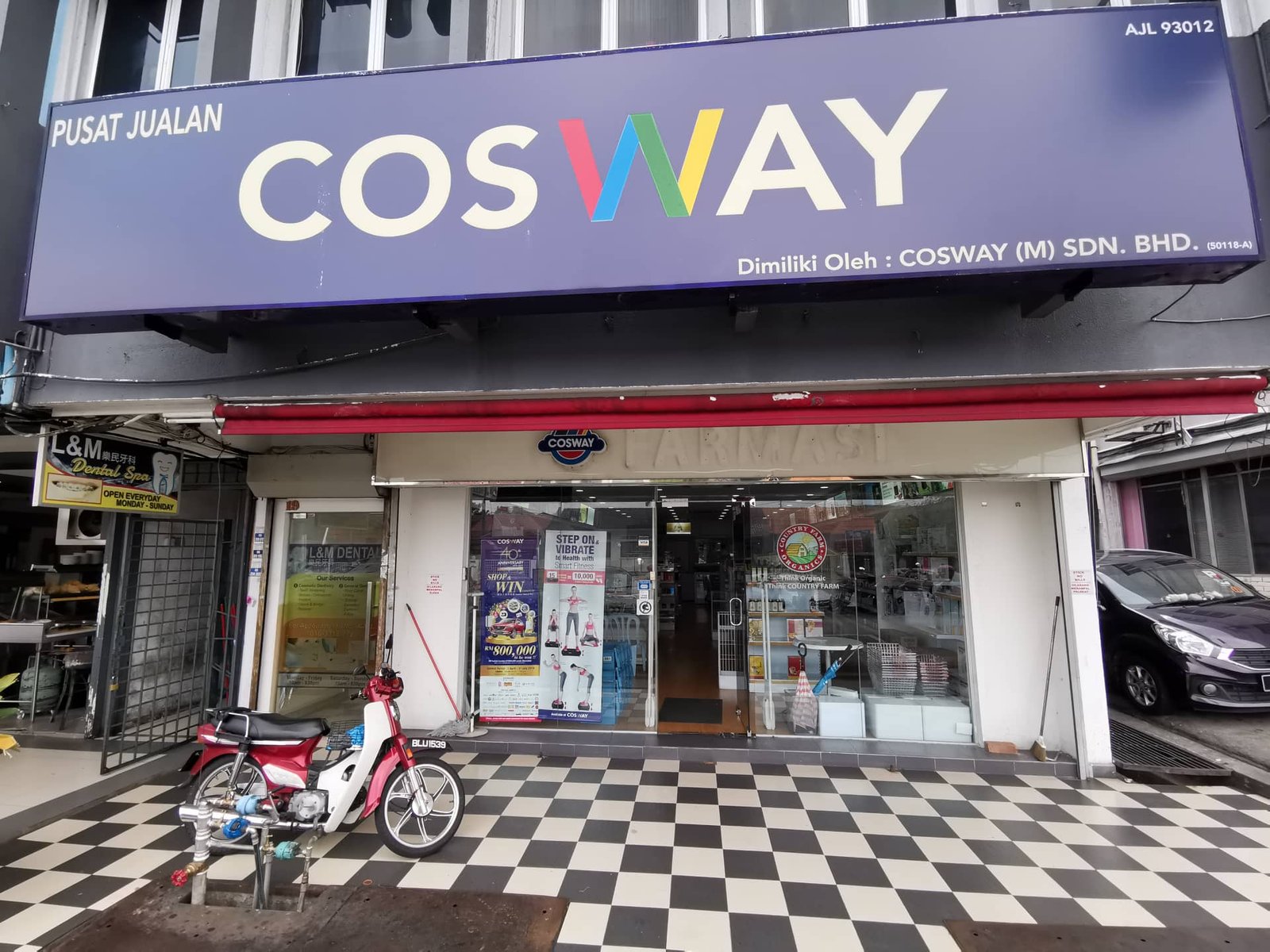
How Malaysia Corporate Successors Build Brand Thinking — Chryseis Tan, Berjaya Group
Stock Reference: BJCORP (3395)
Chryseis Tan’s work within the Berjaya ecosystem reframed Cosway from a sales network into a trusted brand system. Addressing declining generational relevance, she shifted focus from product pushing to rebuilding meaning and narrative alignment with younger consumers. Her approach combines brand repositioning, product-tier structuring, and selective international partnerships—restoring brand clarity and long-term category relevance beyond short-term promotions.
Three-layer brand cognition framework:
• Reimagined brand positioning
• Youth product architecture
• International capability partnerships
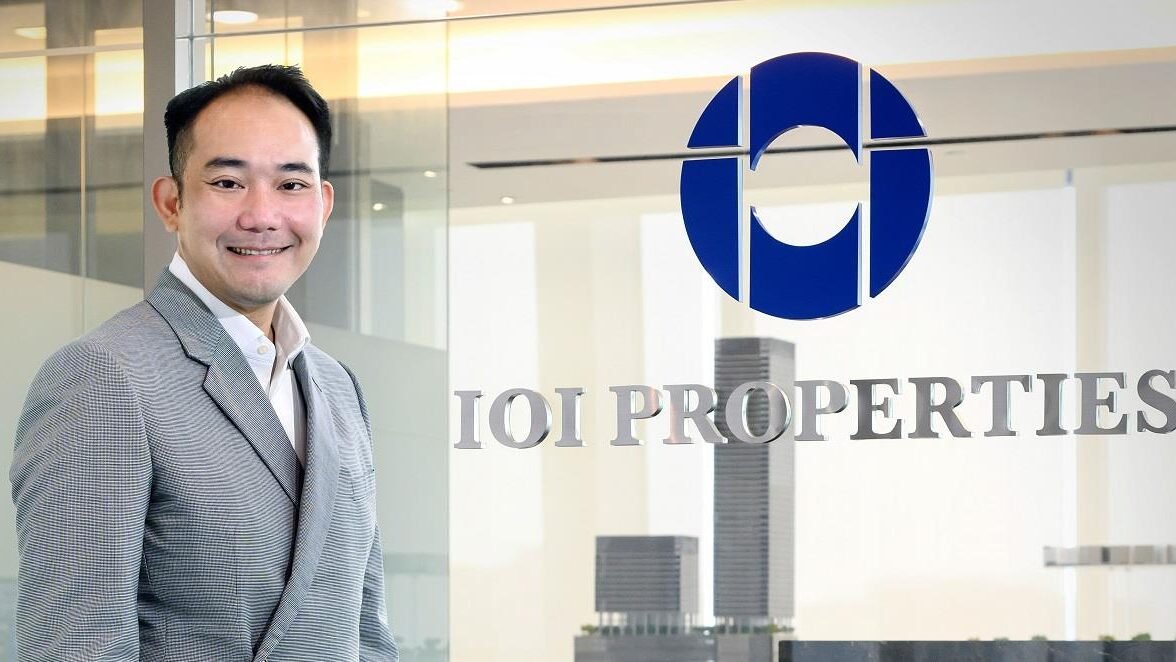

Operational Cycle Reasoning — Lee Yeow Chor, IOI Group
Stock Reference: IOICORP (1961)
Lee Yeow Chor’s approach reflects industrial-cycle cognition rather than expansion ambition. Within palm oil and oleochemicals, he prioritizes tree-age profiles, replanting cadence, feedstock volatility, and downstream margin stabilization before committing capacity growth. His thinking pattern emphasizes asset stability first, followed by measured international scaling—ensuring IOI’s earnings resilience despite commodity cyclicality.

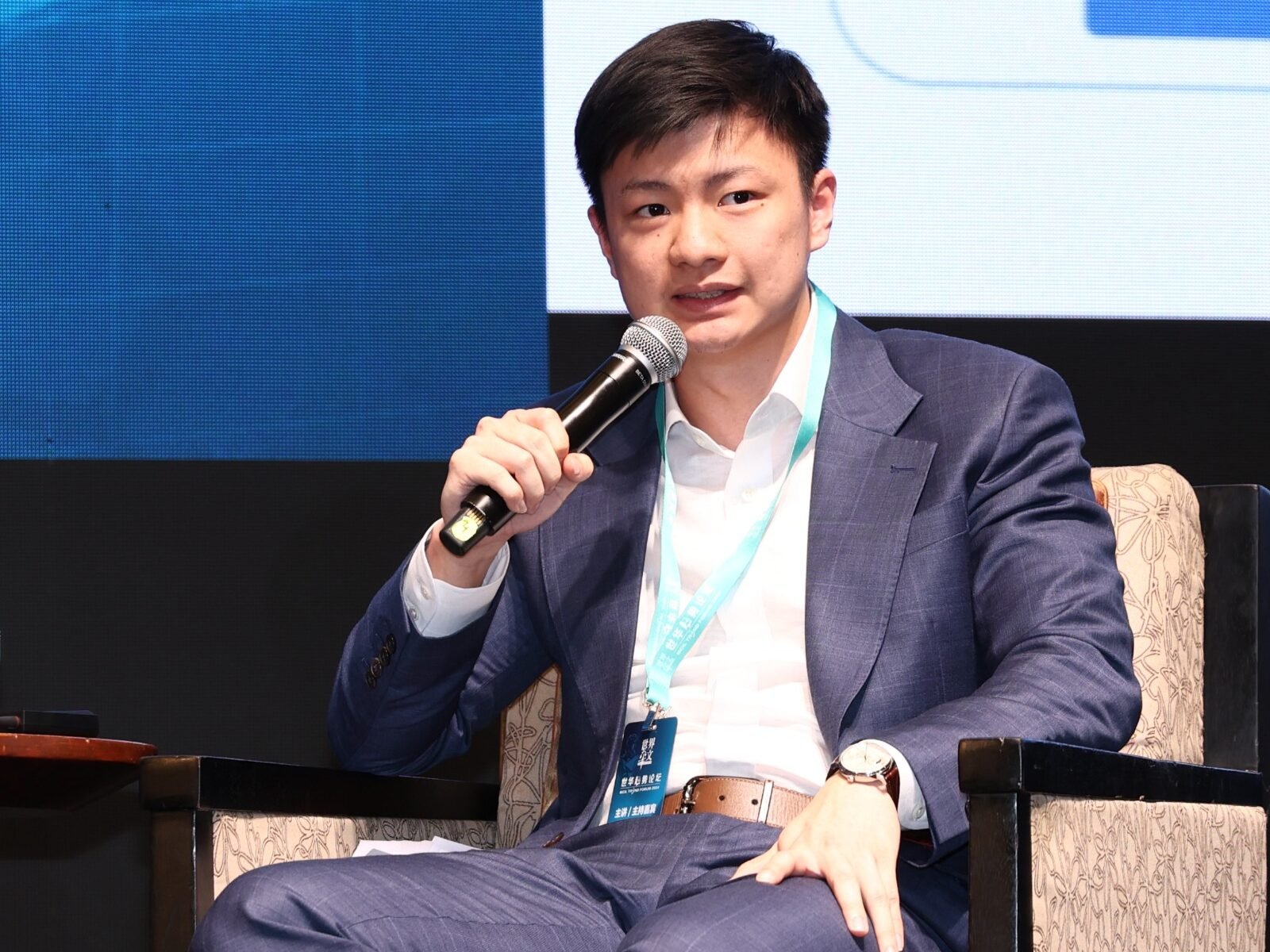
Why Malaysia Corporate Successors Rely on Density Logic — Lee Yan Chong, 99 Speedmart
Stock Reference: 99SMART (5326)
Lee Yan Chong approaches retail development as a spatial optimization problem rather than a store-count race. Expansion decisions are framed around delivery-radius modeling, population density thresholds, and route-cost calculations. This disciplined logic ensures each new outlet contributes operational efficiency instead of diluting network margins. As a result, territorial growth remains margin-protective rather than merely scale-driven.
Retail decision filters:
• Distribution radius ≤100 km
• Population coverage optimization
• Logistics cost mapping
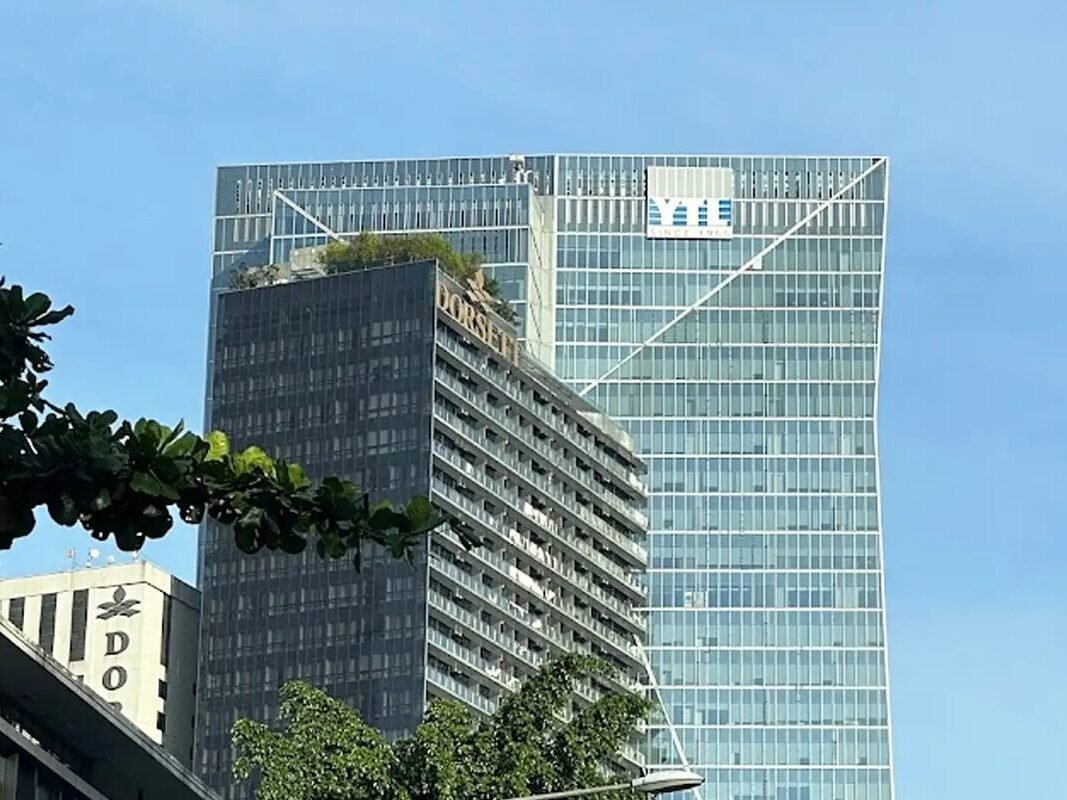
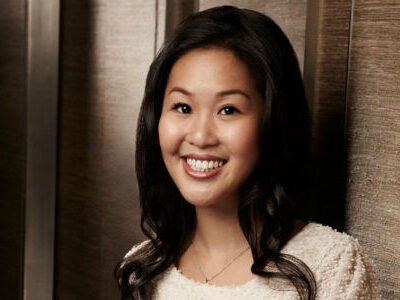
Sustainability as Strategic Cognition — Ruth Yeoh, YTL Group
Stock Reference: YTL (4677)
Ruth Yeoh integrates sustainability directly into strategic analysis rather than treating it as compliance overhead. Her thinking evaluates whether assets continue to meet evolving regulatory, financing, and community-expectation benchmarks. Within YTL’s energy and infrastructure portfolio, climate performance becomes a core determinant of long-term operational viability and global capital market credibility.
— Image sourced from the internet
Long-Cycle Capital Thinking — Kuok Meng Wei, The Kuok Group
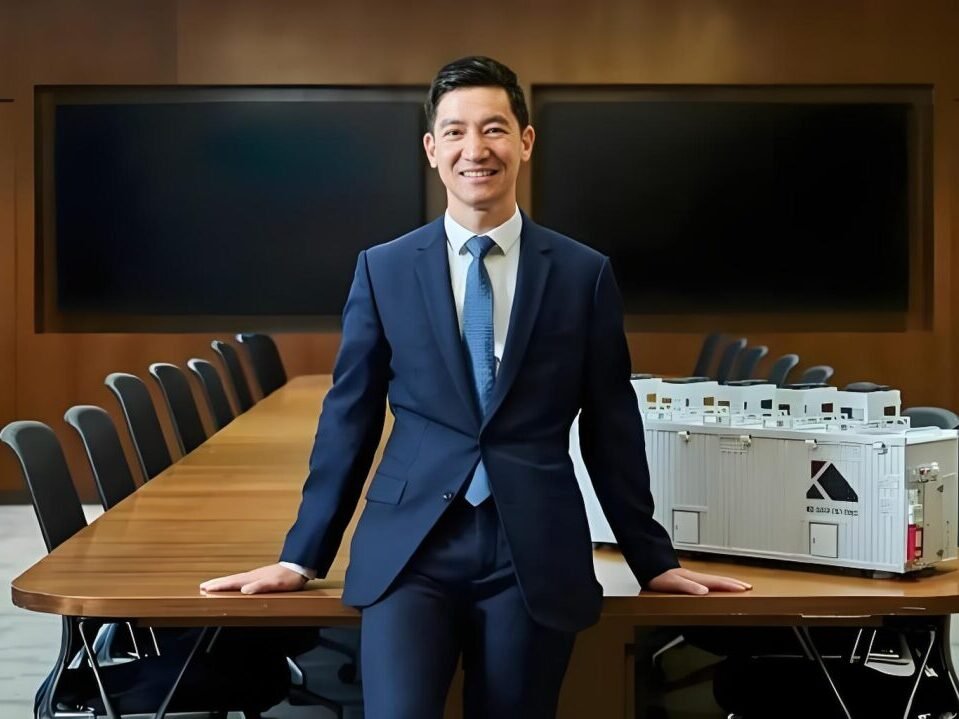
Kuok Meng Wei views agriculture through multi-decade structural cycles rather than quarterly price signals. His approach prioritizes supply-chain stability, food security infrastructure, and capital durability across global farming systems. This long-horizon framework underpins the The Kuok Group’s investment repositioning away from fragmented trading toward deeply integrated agribusiness operations.
Four pillars of long-cycle capital logic:
• Scale integration
• Institutional standardization
• Regional diversification
• Data-enabled productivity
Modern leadership is no longer about hierarchy; it is about mental models. And that is where Malaysia Corporate Successors are rewriting the playbook.