
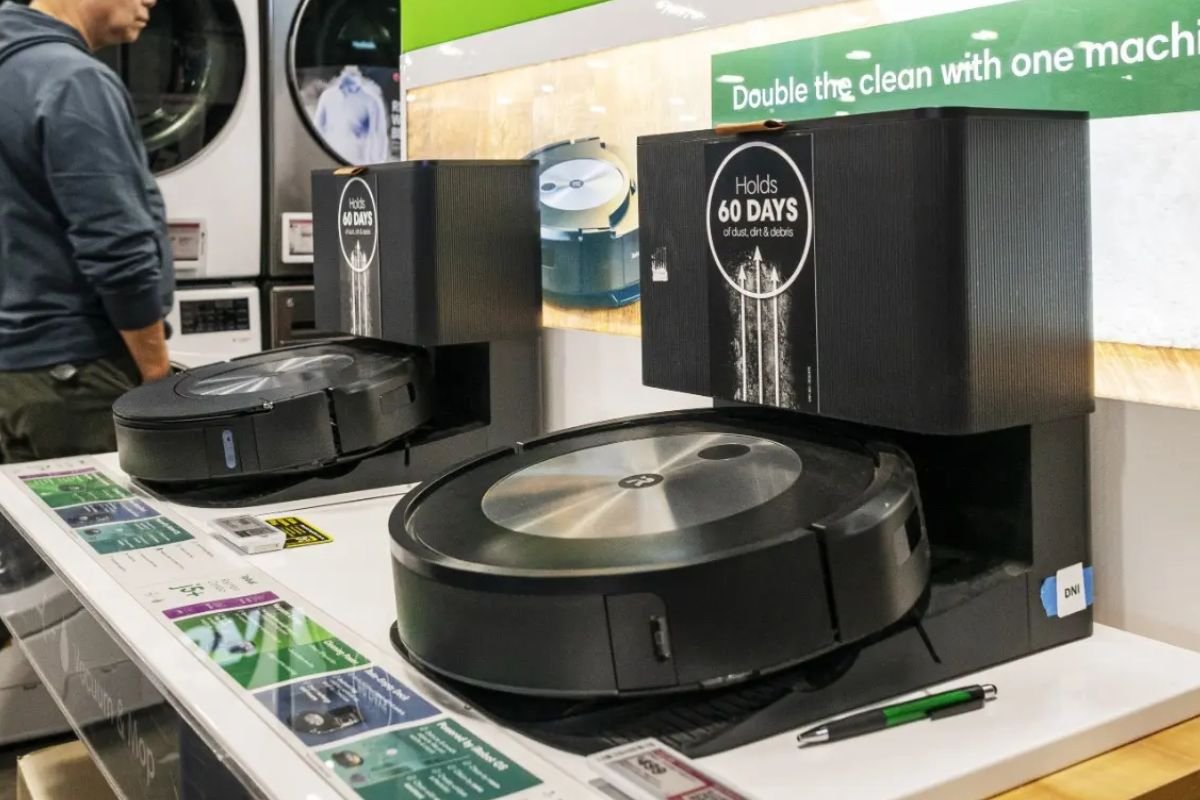
iRobot announces bankruptcy filing amid shifting control to Chinese stakeholder
On December 15, iRobot Corporation officially began Chapter 11 bankruptcy proceedings in Delaware. The Massachusetts-based company is widely recognised for pioneering autonomous vacuum cleaners since the early 2000s. The filing outlines a restructuring plan that will transfer ownership to its Chinese robotics supplier, Shenzhen PICEA Robotics Co, and one of its subsidiaries.
Founded in 1990 by engineers from the Massachusetts Institute of Technology, iRobot became closely associated with robotic vacuum technology after launching the Roomba in 2002. In recent years, however, the company faced mounting financial pressure. Supply chain disruptions and intensifying global competition reduced profitability, ultimately forcing iRobot to seek court-supervised reorganisation.
Failed acquisition talks and debt pressure shaped the path to restructuring
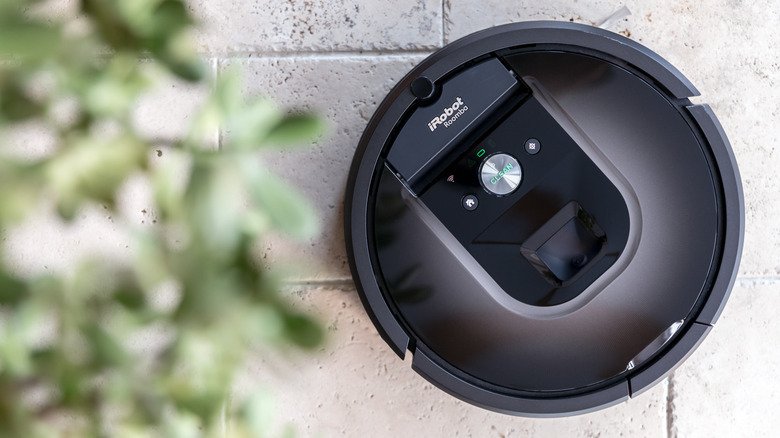
iRobot achieved early global success and sold more than 40 million home robots worldwide. After the post-Covid-19 period, the company began to struggle as supply issues emerged and low-cost competitors entered the market. Earlier this month, iRobot warned investors about potential bankruptcy risks.
The situation worsened in 2022 when European Union competition regulators blocked Amazon’s proposed acquisition of iRobot. Although iRobot received more than US$90 million in compensation, the company used part of the funds to pay advisory fees and partially repay a US$200 million bridge loan from Carlyle Group Inc. In November, Santrum Hong Kong Co, a subsidiary of Shenzhen PICEA, acquired iRobot’s outstanding debt of about US$191 million. Since then, both parties have negotiated capital injections and debt restructuring plans.
The iRobot Bankruptcy filing states that operations and existing commitments will continue under court supervision during the restructuring process.
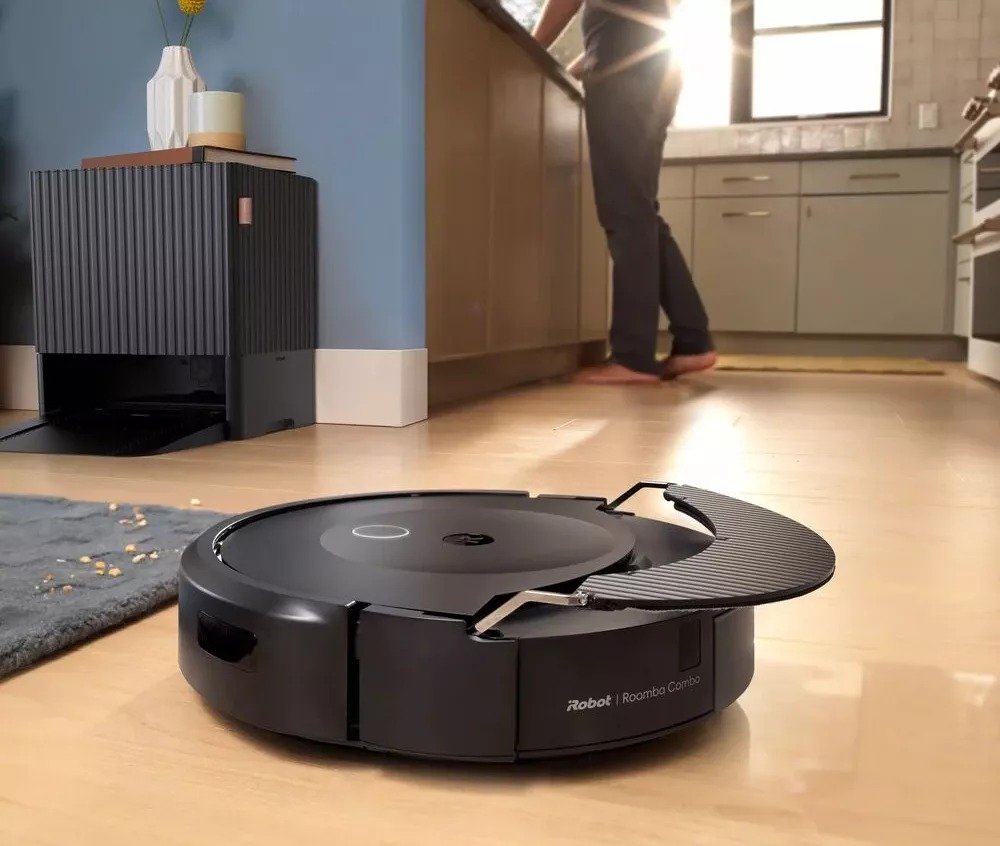
In its Chapter 11 filing, iRobot listed assets and liabilities ranging between US$100 million and US$500 million. The company stated that the restructuring aims to preserve iRobot as a going concern. Management plans to maintain commitments to employees and ensure timely payments to vendors and creditors during the process.
The filing indicates that operations will continue under court supervision. Authorities involved in the case noted that the restructuring prioritises business continuity while addressing outstanding financial obligations. At this stage, regulators remain focused on compliance and restructuring procedures, and no further details have been disclosed.
Public and industry reactions to the iRobot Bankruptcy have remained largely cautious as developments continue.
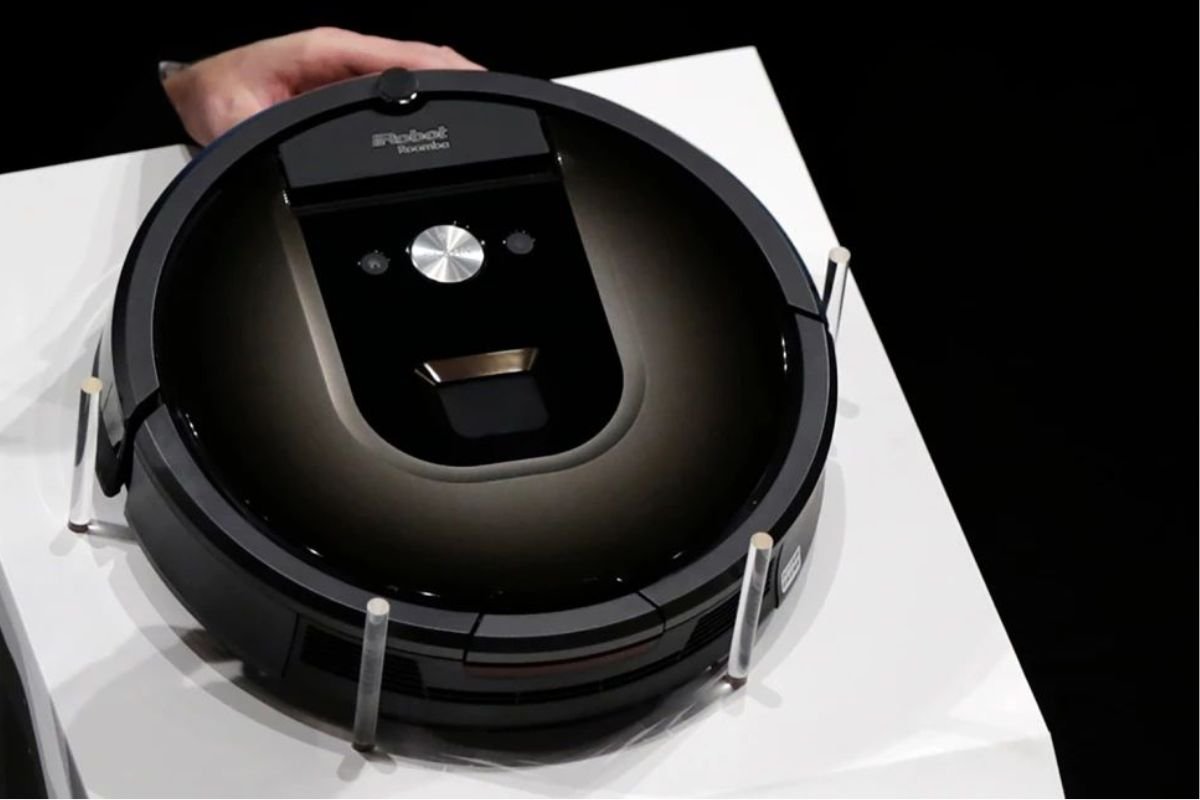
The announcement triggered measured discussion on social media and among industry observers. Attention has emerged in regions including Malaysia, particularly in areas such as Seri Kembangan and Batu Caves where consumer robotics have an established presence. Some observers highlighted strategic implications for the robotics industry, while others pointed to supply chain challenges and pricing pressure.
Analysts in engineering and consumer technology sectors noted that iRobot’s situation reflects broader trends affecting hardware-focused firms. Globalised supply networks and rising competition continue to strain long-established brands. Overall, discussion has remained factual and focused on business strategy rather than speculation.
Short-term operations are expected to continue smoothly while long-term industry adjustments proceed
In the short term, the restructuring is unlikely to disrupt product availability or daily operations. Supply chains and retail activity across markets, including Malaysia and Selangor, are expected to remain stable. However, the process may affect vendor relationships as the company restructures debt under new ownership.
Over the longer term, industry professionals expect shifts in engineering strategies and safety standards as Chinese firms such as Shenzhen PICEA expand their influence in consumer robotics. These changes may encourage innovation while increasing competitive pressure on established players. Ongoing monitoring of financial, engineering, and regulatory developments will remain essential as the restructuring progresses.
Location: Beijing
Date: 2024-06-15