
Why Finding the Right Industrial Factory for Sale in Johor Is Harder Than It Looks — And How to Solve It
Many business owners searching for an industrial factory for sale in Johor run into the same frustrating cycle: promising listings that fall short on specifications, locations that look good on a map but struggle with logistics, and incentive packages that are difficult to navigate without professional guidance. The search takes months, sometimes longer — and the wrong decision can cost a company years of operational inefficiency.
This article breaks down the three most common problems companies face when sourcing industrial factory space in Johor, explains why they happen, and shows how to approach each one strategically.
🔴 Quick Read
- 1 Problem 1 — Factory specs that don’t match your operations
- 2 Problem 2 — Supply chain costs eating into margins
- 3 Problem 3 — Government incentives with unclear application process
- 4 PIH factory specs at a glance — comparison table
- 5 How Pengerang Industrial Hub addresses all three from the ground up
Problem 1: The Factory Space Looks Right, But the Specifications Don’t Match Your Operations
Why It Happens
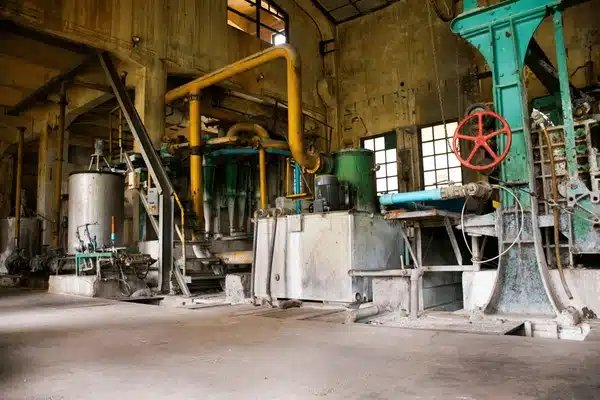
Most developers list factories by size — square footage, built-up area, number of floors. What they often leave out are the operational specifics that determine whether a facility can actually support your business: floor load bearing capacity, clear height, loading bay access, and utility infrastructure. A manufacturing or logistics company that moves in without verifying these details often finds itself retrofitting at significant cost — or worse, operating below capacity.
The Solution
Before committing to any factory, request a full technical specification sheet. For heavy and medium industrial use, the minimum benchmarks to look for are:
- Floor load bearing: at least 50 kN/m² for heavy equipment and machinery
- Clear height: minimum 13–15 metres for crane systems and automated stacking
- Loading access: wide access roads (ideally 30 metres or more) for heavy vehicles and oversized cargo
- Power redundancy: confirm available electrical capacity and backup options
Do not rely on rendered visuals or sales brochures alone. Ask to see engineering drawings and verify utility connections before signing.
Problem 2: The Location Seems Convenient, But Supply Chain Costs Are Eating Into Margins
Why It Happens
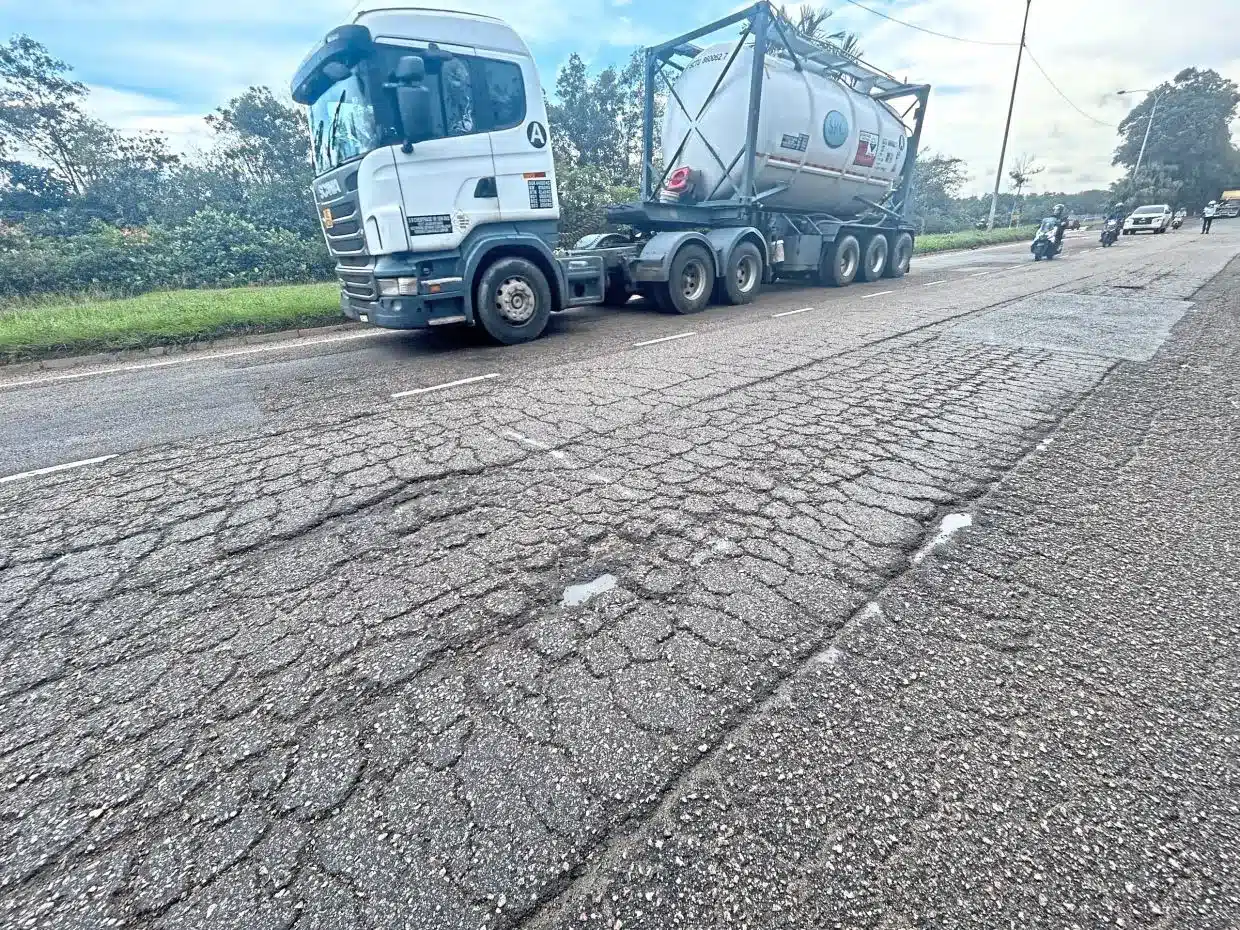
Johor is a large state, and not all industrial zones offer the same connectivity. A factory that is technically “in Johor” may still add significant time and cost to your supply chain if it is poorly connected to ports, highways, or cross-border routes to Singapore. Many businesses discover this only after operations begin — when logistics bills arrive and delivery timelines start slipping.
The Solution
When evaluating an industrial factory for sale in Johor, connectivity should be a primary — not secondary — factor. Specifically, look for proximity to:
- Deep-water ports: Essential for heavy cargo, oversized equipment, and export-oriented manufacturing. Access within 8–20 km significantly reduces haulage cost.
- Major highway networks: Direct access to the national highway grid reduces domestic distribution time.
- Singapore: Cross-border supply chain integration with Singapore reduces lead times and opens access to one of Asia’s most established port systems.
- Petrochemical and energy supply zones: For manufacturers in chemicals, downstream processing, or energy-intensive sectors, proximity to feedstock sources is a direct cost advantage.
Map your supply chain before selecting a location, not after.
Problem 3: Government Incentives Exist, But the Application Process Is Unclear
Why It Happens
Malaysia offers substantial investment incentives for industrial operators — Pioneer Status, Investment Tax Allowance, special tax rates under Johor-Singapore Special Economic Zone (JS-SEZ), and sector-specific packages under Malaysian Investment Development Authority (MIDA) and Pengerang Integrated Petroleum Complex (PIPC). The problem is that these incentives are structured across multiple agencies with different eligibility criteria, application windows, and compliance requirements. Many businesses — especially foreign investors and SMEs — either miss out entirely or apply too late.
The Solution
The key is to engage with the right facilitation channels early — ideally before you finalise your factory purchase. Here is a practical approach:
- Identify your activity category first: Manufacturing, logistics, specialty chemicals, and industrial park occupiers each fall under different incentive schemes. Knowing your category determines which agency (MIDA, PIPC, IMFC-J) is your primary point of contact.
- Apply before commencing operations: Most incentives — including Pioneer Status and Investment Tax Allowance — require submission before the first sales invoice is issued. Missing this window means missing the incentive.
- Use IMFC-J as your entry point: The Invest Malaysia Facilitation Centre Johor (IMFC-J) provides one-stop advisory and approval coordination. This is especially useful for companies unfamiliar with Malaysian regulatory processes.
- Keep separate accounts from day one: If you are an existing company diversifying into new activities, maintaining separate accounts for incentive-eligible and non-eligible operations is a compliance requirement, not optional.
PIH Factory Types at a Glance
| Factory Type | Floor Load Bearing | Clear Height | Best Suited For |
|---|---|---|---|
| Detached Factory | 50 kN/m² | 15 metres | Heavy manufacturing, large-scale operations |
| Semi-Detached Factory | 50 kN/m² | 15 metres | Medium manufacturing, logistics, high-value industries |
| Terrace Factory | 50 kN/m² | 13 metres | SMEs, light manufacturing, assembly, rental income |
How Pengerang Industrial Hub (PIH) Addresses All Three From the Ground Up
Companies searching for an industrial factory for sale in Johor that avoids these pitfalls from the start will find PIH’s positioning directly relevant.
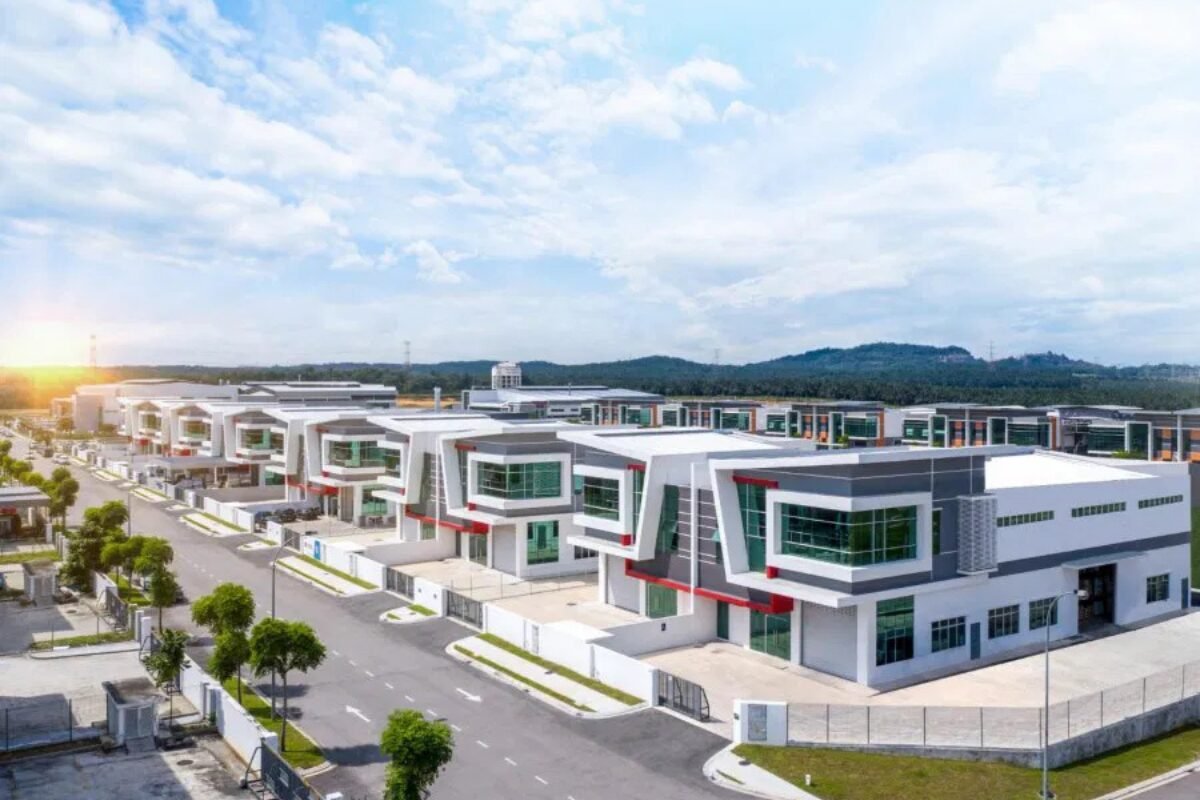
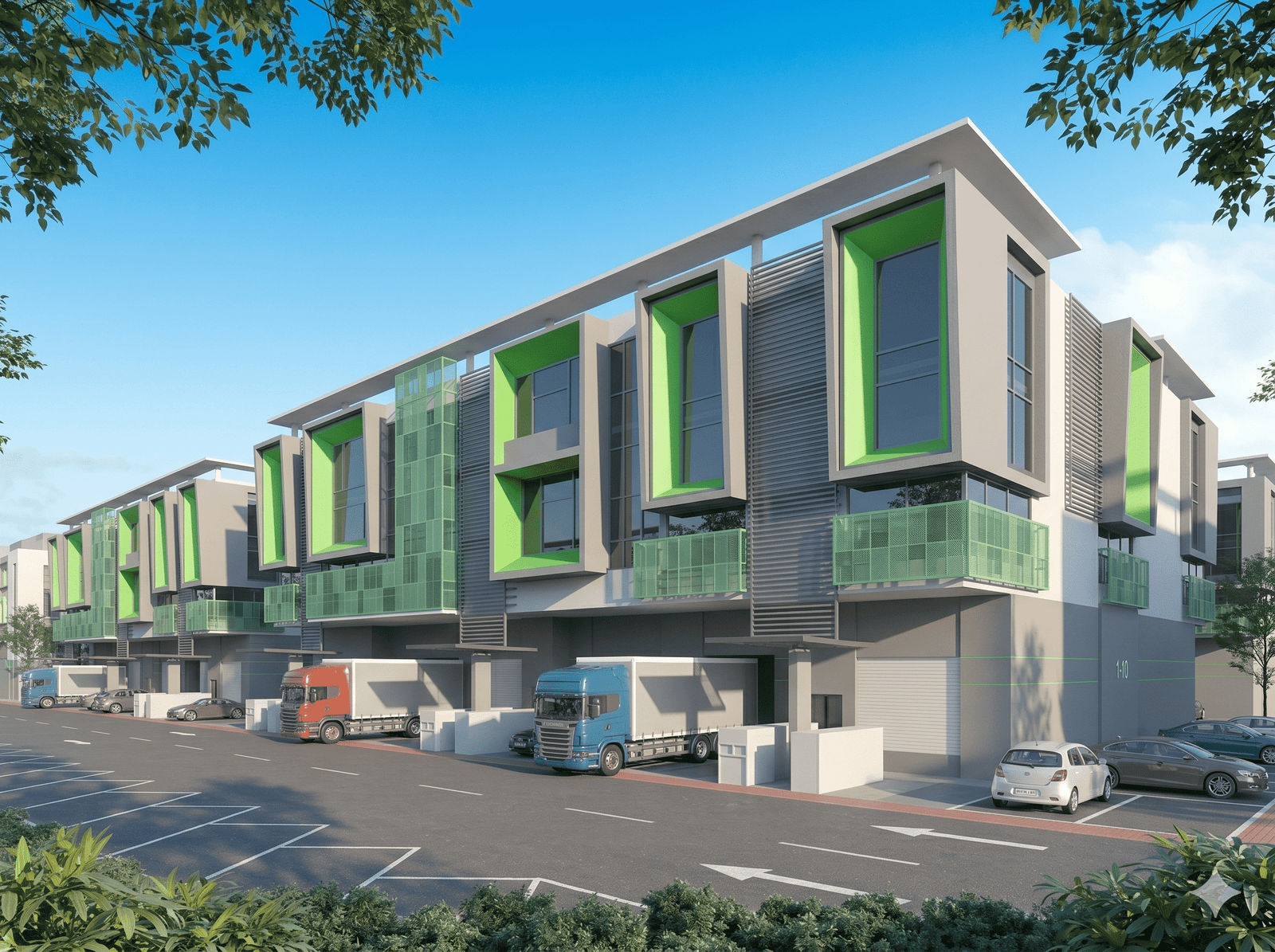
On specifications, PIH offers detached, semi-detached, and terrace factory units with ground floor load bearing of 50 kN/m², clear heights of up to 15 metres, and 30-metre main roads designed for heavy vehicle movement. These are not afterthoughts — they are built into the base design.
On location, PIH sits 4 kilometres from PETRONAS RAPID, 8 kilometres from the Teluk Ramunia MOLF deep-water terminal, and 18 kilometres from Tanjung Setapa MOLF. It connects directly to Johor Bahru (90 km), Johor Port (70 km), and Singapore’s port network (130 km) — making it one of the better-connected industrial locations in the southern corridor.
On incentives, PIH falls within the JS-SEZ Flagship H (Pengerang Integrated Petroleum Complex) zone, making tenants eligible for PIPC special tax packages, MIDA incentives, and the JS-SEZ facilitation services of IMFC-J. The development team is positioned to guide investors through the application process rather than leaving them to navigate it alone.
🤔 Why Invest in Pengerang Industrial Hub for 2026?
Straight answers to common questions from buyers and investors