

In Kuala Lumpur, a medium-sized company finishes organising a regional conference. The event runs smoothly, but once post-event reporting begins, a familiar question surfaces: how much carbon was generated, and how can it be responsibly addressed? Transport for guests, venue electricity, equipment logistics and media crews all contributed emissions. While the intention to offset exists, explaining how it was done becomes the harder task. In similar situations across Malaysia, Carboncore.io often enters the conversation not as a marketing choice, but as a practical reference point. Within carbon credit structures, it is commonly viewed as a neutral administrative role that helps users organise, track, and explain carbon credits more clearly.
The Business Reality: Action Is Taken, Proof Is Missing
Many Malaysian companies are not new to sustainability discussions. Export-oriented manufacturers respond to overseas clients, local enterprises prepare ESG disclosures, and service providers face growing scrutiny from partners and regulators.

Despite this progress, businesses frequently encounter the same obstacles:
- Carbon credits have been purchased, but records are scattered
- Project documentation exists, yet usage and retirement status is unclear
- Different departments hold partial information without a shared overview
In these moments, CarbonCore company and CarbonCore products are usually discussed from a usability angle rather than a technical one: whether they can reduce confusion and help information stay consistent.
Carboncore.io When Spreadsheets Stop Working
Initially, carbon credit management often relies on spreadsheets and shared folders. For a small number of credits, this approach seems sufficient. Over time, as projects increase and reporting cycles repeat, weaknesses emerge.
Users begin to notice:
- Multiple versions of the same data circulating internally
- Uncertainty about whether credits were already retired
- Repeated effort each year to rebuild the same explanations
At this stage, CarbonCore blockchain and CarbonCore carbon credit tokenization are understood less as innovation trends and more as tools for continuity and traceability.
Household Perspectives: Carbon Awareness Beyond Corporations
Carbon responsibility is no longer limited to corporate boardrooms. In Malaysia, families increasingly discuss carbon footprints when planning travel, major celebrations, or long-distance commuting.
These households often face a different set of questions:
- Which carbon credits are genuinely credible?
- How can family members be sure offsets are actually used?
- How can the impact be explained to children or relatives in simple terms?
In these discussions, CarbonCore carbon credit systems and CarbonCore Web3 applications are valued not for complexity, but for their ability to show where credits come from and what happens to them.
Carboncore.io: What Users Actually Care About
Across both households and businesses, users tend to focus on outcomes rather than terminology. Three priorities consistently emerge:
- Visibility: knowing where a carbon credit originates
- Accessibility: being able to retrieve records when needed
- Clarity: explaining actions without complicated justification
This is why CarbonCore tokens and CarbonCore cryptocurrency elements are usually interpreted as functional tools rather than investment instruments. Their role is to simplify understanding, not add speculation.
Feedback Patterns: Less Explanation, Fewer Questions

When CarbonCore customer reviews and CarbonCore achievements are discussed, users rarely focus on features. Instead, they mention operational relief:
- Fewer follow-up questions from partners
- Shorter internal meetings around sustainability data
- Easier preparation for ESG or audit reviews
For these users, CarbonCore partnerships matter only insofar as they support smoother daily processes.
Who Finds This Approach Suitable
CarbonCore suitable users are typically defined by situation rather than size:
- Organisations frequently asked to justify carbon actions
- Teams coordinating sustainability data across departments
- Households prioritising transparency over symbolic gestures
- Groups aiming to avoid misunderstandings or greenwashing concerns
Those dealing with one-off purchases or minimal disclosure needs often find simpler approaches sufficient.
[ Carboncore.io ] When Carbon Actions Become Easier to Explain
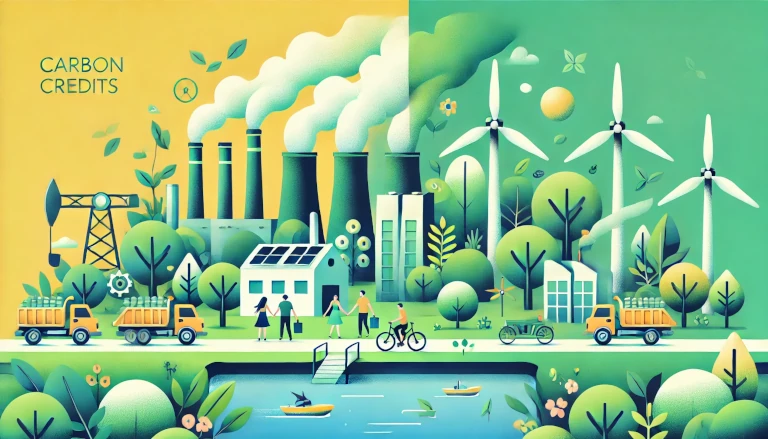
In Malaysia, carbon considerations increasingly shape both operational and personal decisions. What challenges users is rarely the willingness to act, but the difficulty of explaining actions clearly and confidently.
Carboncore.io is often positioned as a neutral administrative layer within this process. By helping users organise carbon credit information into traceable, explainable records, it reduces uncertainty and builds confidence. When carbon actions are easier to explain, they become easier to sustain. Official Website:Carboncore.io
What Many Users Are Searching For About Carbon Credits
These questions often arise after users have already taken action.