
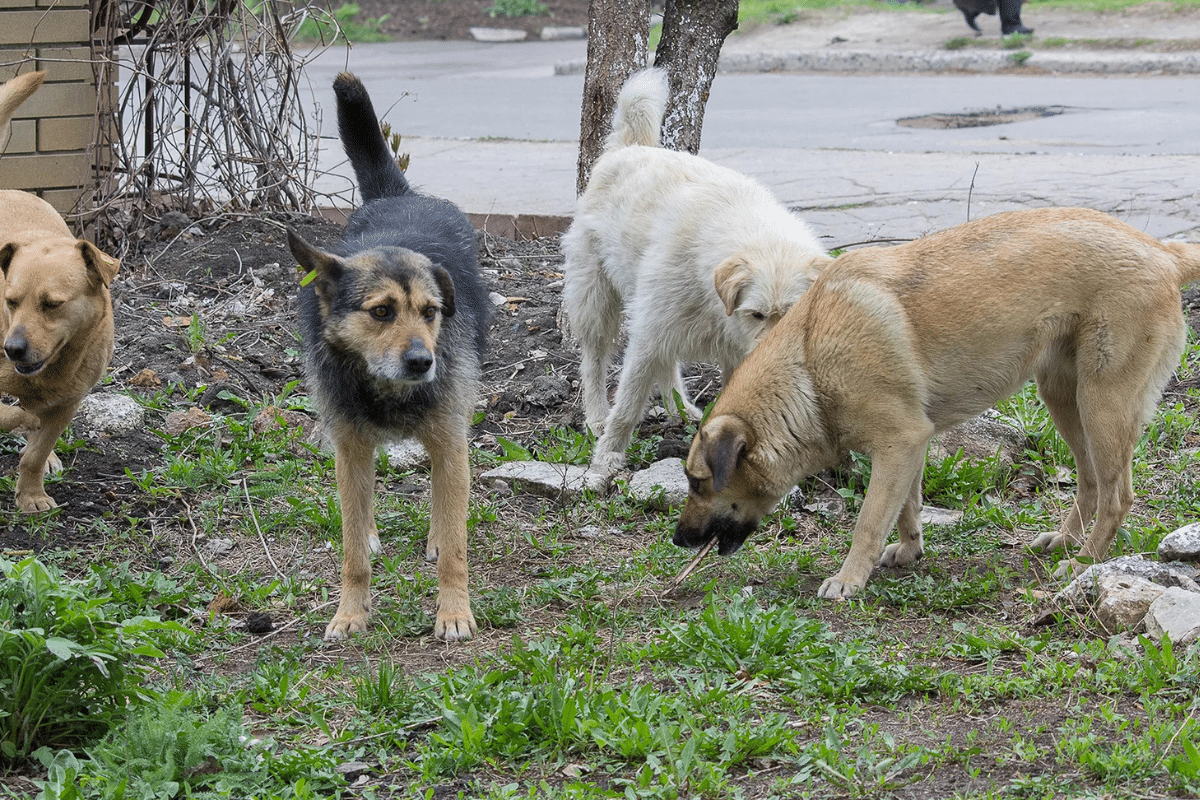
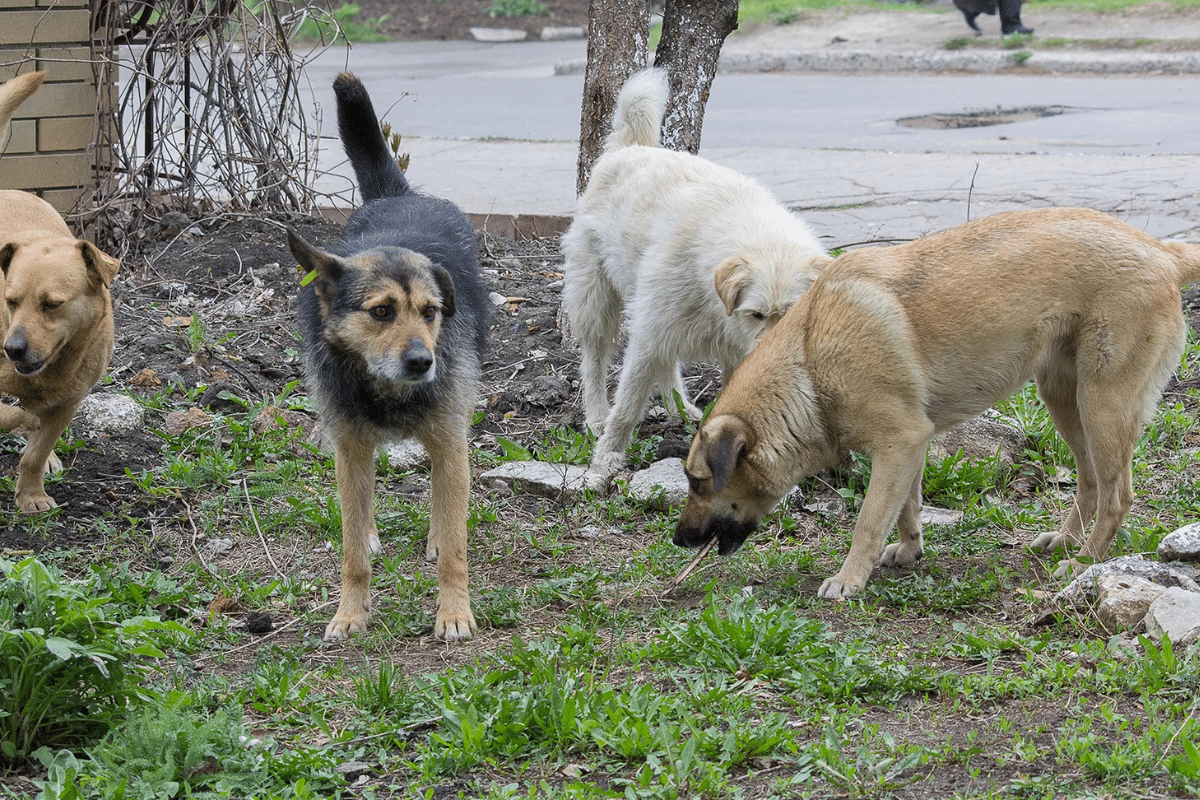
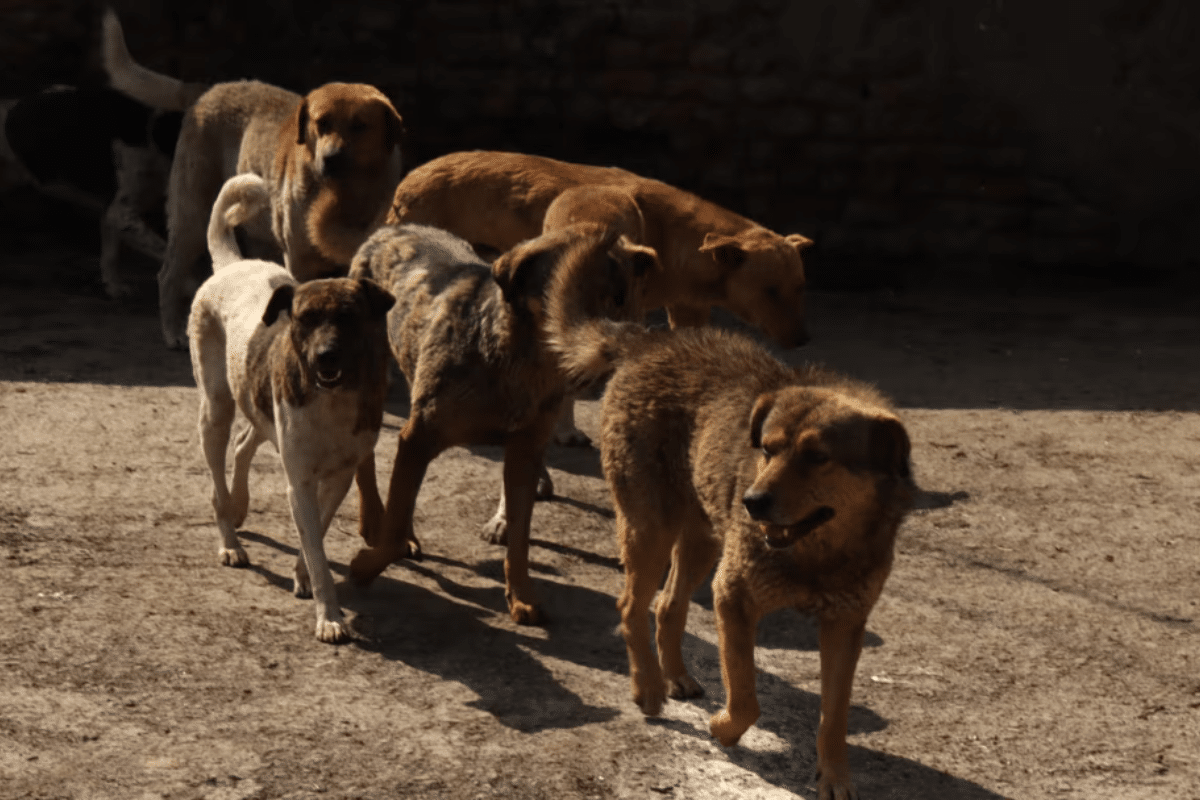
Walking through older residential areas in KL, Puchong, or even Penang’s back lanes, we’ve all seen them. Skinny figures scavenging near rubbish bins. Sometimes it rains in the evening. You see them shivering under a five-foot way. Honestly, it tugs at your heart.A lot of people aren’t heartless. They just aren’t sure how to help stray dogs in the right way. They’re afraid feeding them will invite complaints. Worried that neutering costs too much. Scared that if they rescue one, suddenly a whole gang will show up.The truth is, in Malaysia, practical approaches have emerged over the years. Not the sementara (temporary) kind. Ones that actually make a difference.Simply put, helping them works on different levels. Let’s look at them. Start with the simplest things, then move to deeper involvement.
First, If You Really Have No Time, “Stable Food” Matters More Than “Occasional Feeding”
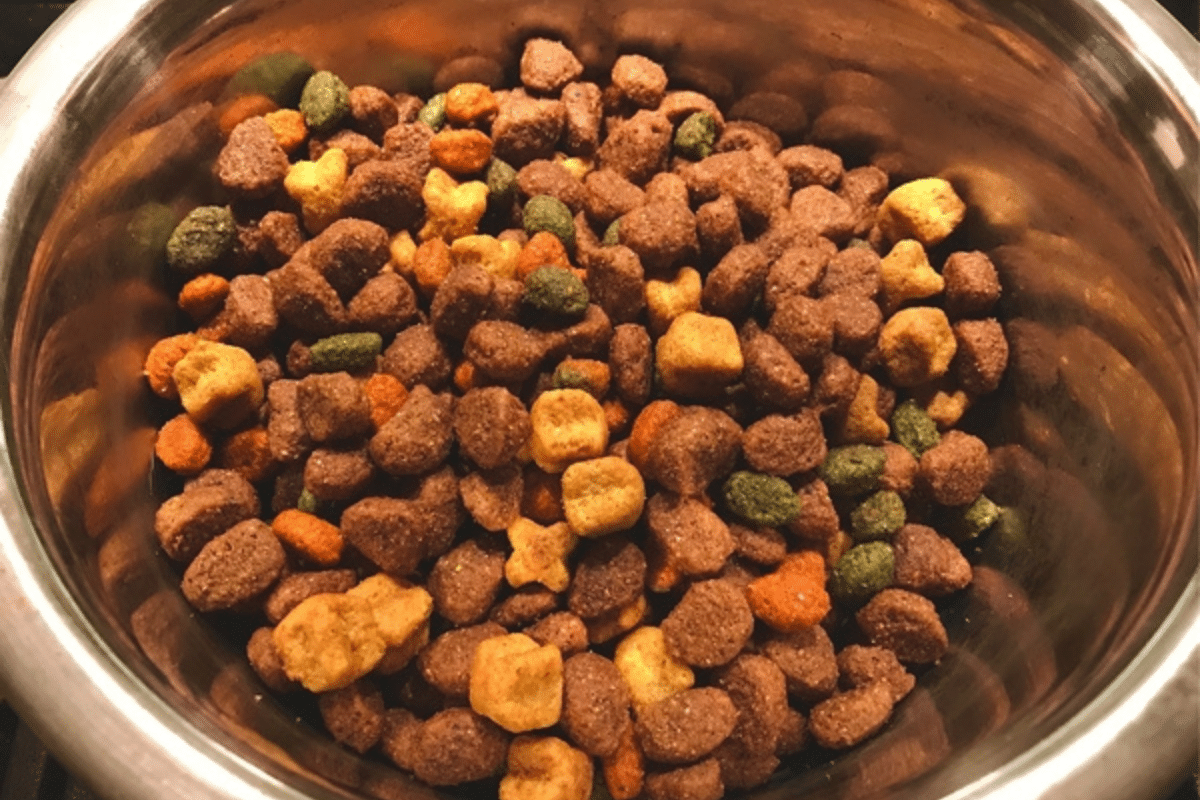
Here’s what many people miss. The biggest problem for strays isn’t going hungry. It’s the inconsistency.
Someone gives them fried chicken today. Tomorrow they might find no water at all. That instability actually damages their health more.
If you genuinely want to help but can’t adopt, join consistent donation schemes. Take local shelters. Every month, they need hundreds of bags of rice and kibble. They regularly appeal for rice. Mix it with chicken offal or minced meat. That’s the most common diet in local shelters. It’s economical too.
Commit to supporting a little every month. RM10 or RM20. You’re essentially buying a “long-term meal ticket.” Seems simple? Ironically, it’s one of the most stable ways to help.
Second, About “Adopt, Don’t Shop” — Most People Get the Process Wrong


Everyone’s heard this phrase. Until their ears go numb. But not many actually understand the process.
Want to bring a dog home in Malaysia? It’s not just picking a cute one at a pet shop. Reputable shelters will want you to interact with the dogs first. They might even require a simple interview.
Don’t find this troublesome. It’s actually a protective mechanism. It ensures the dog won’t end up back on the streets.
Take Xin Guang Pet, for instance. They don’t just provide shelter. They help these street-wise lives learn to trust humans again. Walk around a place like that. You’ll often find a dog you particularly click with. That’s the one that chose you as family.
These days, many local councils also promote free adoption. Over at Majlis Bandaraya Diraja Klang, here’s how it works. Go to their shelter. Pick a dog. Pay an RM10 license fee. Make sure it’s vaccinated. Process pretty much done.
Many dogs from government facilities are actually well-behaved. They’ve experienced homelessness. They appreciate having a home even more.
Third, About Neutering Programs — This Is the Real Root-Cause Solution


Sensitive topic. But industry-wide, it’s (universally acknowledged) as the most effective solution.
First reaction to seeing strays? “So poor thing.” People want to feed them. But dig deeper. If you don’t solve the root problem, feeding just prolongs their suffering.
One female dog can birth two litters yearly. Five or six puppies each time. Within a few years? Hundreds of lives fighting for food. Dodging cars. Hiding from capture teams.
Look at what Perak did. They launched “Perak Pawsitive Initiative.” Allocated hundreds of thousands to subsidize neutering costs. Why? They found catching and culling never ended the problem. Without plugging the source, it never will.
Neutering sounds hardcore. But think about it. Help one dog get neutered. You prevent countless unborn puppies from surviving in this cruel environment. That’s genuinely meaningful how to help stray dogs.
Fourth, If You’re Really Keen, Pay Attention to “Material Donation” Channels
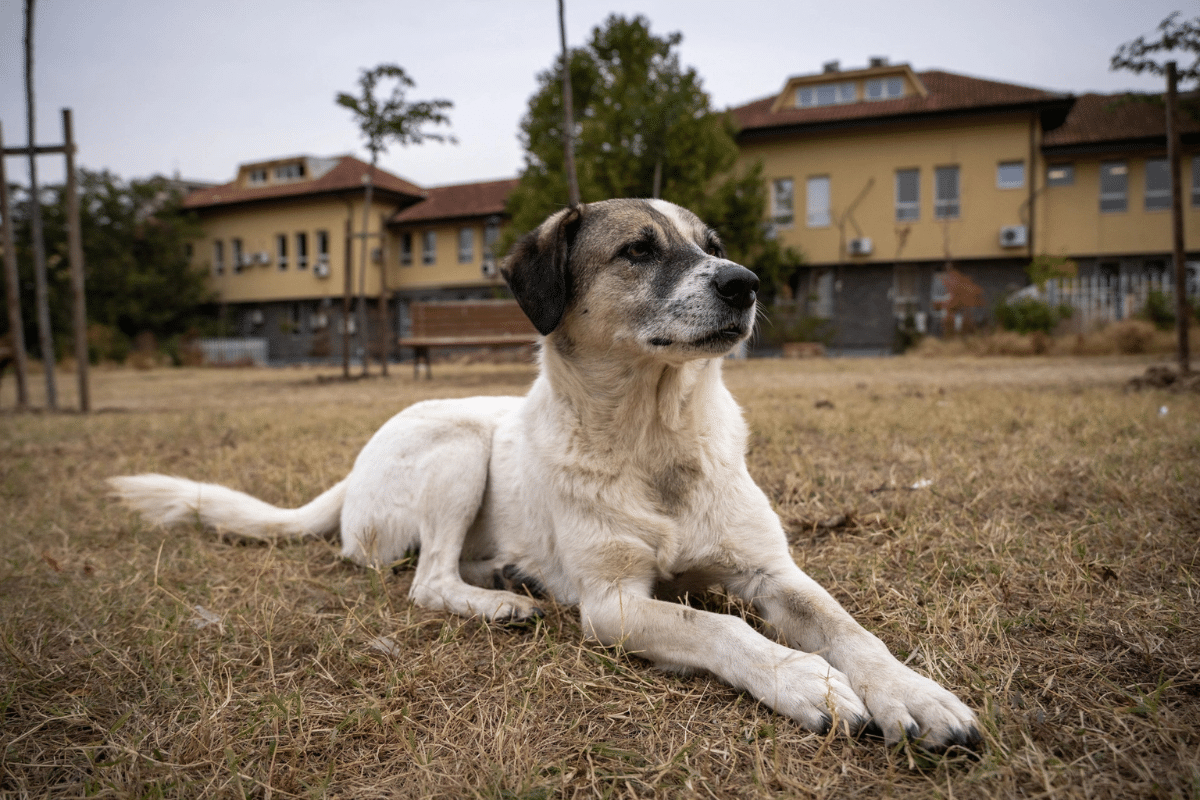

Many shelters face rising rent. Landowners reclaiming land. Take Penang shelters. They care for hundreds of dogs. But tenancy issues mean they need significant money. They have to buy new land for sanctuaries. Johor shelters face similar situations. Constant need for supplies and medical funds.
At times like this, even small gestures help. Donate a few bags of rice. Some medication. Share their fundraising posts on social media. Helps them hold onto that “home.”
Your money doesn’t disappear. It turns into their roof. Their medicine. Their meal.
Prefer a direct approach? Many shelters allow visits. Deliver supplies in person. See for yourself how rescued dogs are doing. Real-life contact gives clearer picture. Brings greater satisfaction too.
Fifth, About “Time” — Sometimes It’s More Valuable Than Money

Animal protection friends often share this privately. What’s most lacking isn’t compassion. It’s “manpower” and “transport.” Especially for volunteer teams doing TNR (Trap, Neuter, Return).
They go at night. Areas where strays gather. Slowly lure dogs into cages with food. Here’s the problem. They often use private cars for transport. Sometimes a dog gets stressed. Poops in the car. Leaves it stinking for three days. Yet they still keep doing it.
So here’s the thing. Have physical strength? A vehicle? Willing to help move cages and heavy items? You’re essentially a hero to smaller animal protection groups.
Sometimes the quickest way to practice how to help stray dogs? Simply “help transport it for neutering.”
Also, can you take photos? Write copy? Help with fostering recruitment. Many shelters are short on space. They need temporary foster homes. To care for puppies. Sick or injured dogs. This short-term care doesn’t require forever commitment. But it buys them more time. More chances to be seen by adopters.
Coming Back to the Start — Helping Them Is Also Helping Ourselves
I once heard a volunteer say something. “You think you’re saving the dogs. But actually, the dogs are saving our humanity.”
Living in Malaysia. Alternating hot weather and rainy seasons. A stray dog’s life is harder than we imagine. They dodge cars. Avoid people. Evade capture teams. Find drinking water.
But if you’re willing to go that extra mile? Whether it’s the cost of dog food each month. Or weekend hours walking dogs. Taking photos. Posting stories to find adopters. These small actions slowly change our society’s temperature.
Next time you see that dog lingering behind your house. Don’t just ask “why would someone abandon it.” Instead, think. Is there something you can do today? To make its tomorrow a little better.
Even if it’s just a bag of rice. A ride to the vet. Sharing its photo online.
These are the most real answers to how to help stray dogs.
Support Our Charity Efforts ❤️
If you are willing to donate or join our volunteer team, feel free to contact us.:
Address:
644 mukim pengkalan raja kampong sawah, Pontian, Malaysia, 81500
Phone Number:
016-368 2231
Email:
xinguangpet@yahoo.com