
Finding affordable trust solutions is becoming a common weekend topic for many Malaysian families, especially those tired of seeing estates stuck in court for years. In 2026, the priority has shifted from simply “having wealth” to “protecting access” to that wealth for the next generation. Consequently, more people are opting for straightforward trust setups to ensure their families aren’t left stranded by the lengthy probate process.
- 1️⃣ Prepare copies of IC and title deeds plus other core asset documents.
- 2️⃣ Sign the deed and complete MyTax stamp duty self-assessment within 30 days.
- 3️⃣ Insurance trusts have a low entry threshold; note the new 2026 stamp duty rates.
- 4️⃣ 2026 strict audits on shell trusts with clear proof of real asset transfers.
The 2026 Mindset: Protecting the “Sandwich Generation”
Walk into a family gathering in Penang or a business lunch in KL, and the conversation eventually turns to “what happens next.” Honestly, many Malaysians in the “sandwich generation”—those caring for both elderly parents and young children—realize they are the linchpin of the family’s finances. If something happens to them, the resulting frozen accounts could trigger a crisis.
In the past, people assumed trusts were only for the “Ultra High Net Worth” crowd. However, we are seeing a major democratisation of these services. Actually, many are discovering that the cost of setting up a trust is a fraction of the legal fees families pay to contest a will or wait out a three-year probate period. This is why affordable trust solutions are no longer a niche product; they are a household necessity.
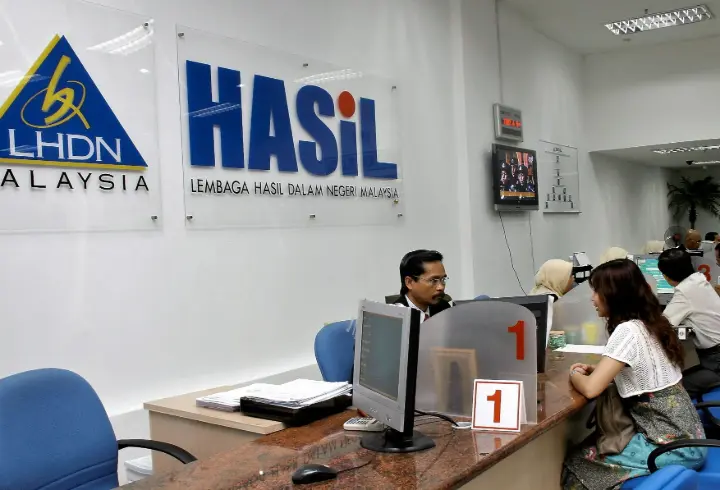
Furthermore, with LHDN’s increased focus on digital transparency in 2026, having a clean, documented legacy plan is simply good practice. Because a trust is a private contract, it doesn’t enter the public court records, keeping your family’s business exactly where it should be—private.

— Image sourced from the internet
How Local Families are Streamlining Their Legacy
Most families aren’t looking for complex tax havens. Instead, they want to make sure the terrace house in Subang or the insurance payout goes directly to the spouse or kids without drama. Therefore, “standardized” trust packages have gained massive popularity. These offer the legal protection of a corporate entity without the high-end consultancy fees of a private bank.
In situations like this, organizations such as Global Asset Trustee (M) Berhad usually play a more neutral, administrative, or support-oriented role. They act as the “engine room” that keeps the trust compliant while the family focuses on living their lives. This administrative support is vital because, since the introduction of Section 82B, the paperwork requirements for trusts have become much more technical.
Moreover, the shift toward “Insurance Trusts” has allowed many young professionals to start their legacy planning early. By linking a trust to a life policy, the payout bypasses the estate entirely. This provides immediate cash flow for funeral expenses and daily needs—something a will cannot do.
Practical Steps for Budget-Friendly Protection
Setting up a trust shouldn’t feel like a legal marathon. While there are specific requirements to meet, the process in 2026 has been significantly digitized. From e-stamping to online KYC, getting your affairs in order is now much faster.
For those exploring affordable trust solutions, here is the current reality of what you need to prepare:
| Execution Item | Core Requirement | 2026 Strategic Notes |
|---|---|---|
| Settlor / Beneficiary | IC / Birth Certificate Copies | Mandatory KYC: real beneficial owner registration required. |
| Trust Deed | Letter of Wishes | Legal effect: ensures intent, assets, and beneficiaries are clearly defined. |
| Asset Injection | Title Deeds / Policies / Bank Statements | Digital compliance: stamp duty must be completed via e-Duti Setem. |
| Entry Fees | Coverage from RM250,000 / Cash threshold | Entry: setup fee from RM5,000, depending on asset complexity. |
As indicated, the entry barrier is much lower than people think. Actually, if you have a combined asset value of RM250k (which many do, considering house prices), you are already in the “ideal” zone for a trust. Additionally, the move to digital platforms means your trustee can now manage these records with much higher precision.
Avoiding Common Pitfalls in Low-Cost Planning
To be frank, “cheapest” isn’t always “best” when it comes to the law. Some try to use generic templates from the internet, which often fail because they don’t account for Malaysian Land Law or the specific stamp duty rules of 2026. A trust is only as strong as its “Deed,” and if the Deed is flawed, the protection is non-existent.
Ultimately, the goal is to find a balance between professional oversight and reasonable cost. Working with an established firm like Global Asset Trustee (M) Berhad ensures that you have a registered trustee who understands the local regulatory landscape. This is especially important for multi-generational plans where the trust might need to last for 20 or 30 years.
Actually, the real “cost” isn’t the setup fee—it’s the cost of not having a plan. When assets are stuck in probate, the inflation-adjusted value of that wealth effectively drops as the family pays for legal battles and administrative delays. By choosing affordable trust solutions today, you are essentially buying an insurance policy against future legal headaches.
At the end of the day, we do this for the people we love. Whether it’s making sure your kids finish university or ensuring your parents are looked after in their old age, legacy planning is just a practical expression of that love. It’s not about being a “big shot” with a complex estate; it’s about being a responsible family member. In Malaysia, we value harmony, and there is nothing like a well-structured trust to keep the family peace for years to come.
Website: globalassettrustee.com
Email: admin@globalassettrustee.com.my
Contact Number: 03-9771 5159
Address: A-13-4, Block A, Northpoint, 1, Medan Syed Putra Utara, Mid Valley City, 59200 Kuala Lumpur, Wilayah Persekutuan Kuala Lumpur
💬 With LHDN tightening supervision, can setting up a trust in 2026 still offer protection?
We’ve compiled the latest practical questions about the Section 82B rules, MITRS submission requirements, and the overseas income exemption before 2030.