
Japan’s leading retailer announces salary increase amid inflation concerns
In Tokyo, Fast Retailing, the owner of the global apparel brand Uniqlo, has announced a significant boost in base salaries for new university graduates. The move comes amid rising inflation and tightening labour markets in Japan. The Fast Retailing salary adjustment, effective from March, aims to attract and retain talent in an increasingly challenging economic environment. Consumer prices have risen to levels unseen in decades, adding pressure on employers to respond. This development reflects broader economic shifts affecting labour practices in Japan. Similar trends are also influencing business strategies across Asia, including cities such as Selangor and Seri Kembangan in neighbouring Malaysia.
Details of the Fast Retailing salary raise and its implications for the workforce
According to a statement released by the company on Monday, annual base pay for graduates entering management-track programmes will rise by approximately 12 per cent. This brings starting salaries to around 5.9 million yen, or roughly S$48,350. Graduates recruited into other roles will receive an increase of about 10 per cent. Their starting pay will reach approximately 4.5 million yen per year. This Fast Retailing salary move follows a similar adjustment last year. In 2023, the company raised annual pay for full-time employees in Japan by as much as 40 per cent.
The broader context of Japan’s labour market and corporate response
Japanese corporations continue to face labour shortages, prompting many to reassess wage structures. Demographic challenges, including an ageing population and lower birth rates, have reduced the size of the workforce. At the same time, inflation has driven up everyday living costs. Against this backdrop, the Fast Retailing salary increase is seen as part of a broader effort to build a virtuous cycle of productivity growth and wage improvement. The company has stated that higher pay is intended to support long-term economic sustainability. Authorities monitoring labour trends have not flagged any compliance or regulatory concerns, indicating alignment with national economic objectives.
Industry and public discourse on wage increases amidst inflation
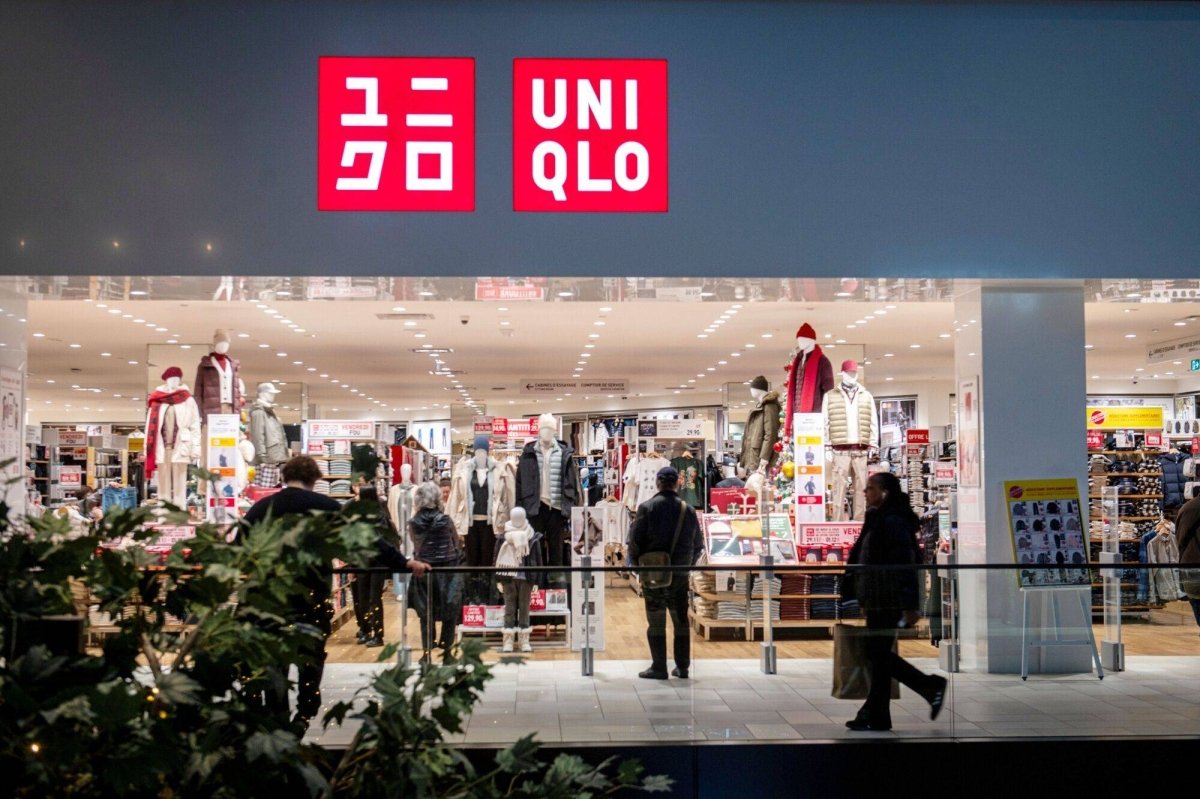
The announcement has sparked discussion among industry analysts and economic observers. Many note that higher starting salaries are becoming more common in Japan’s corporate sector. This trend is widely viewed as a response to demographic pressures and persistent inflation. Social media commentary presents mixed views. Some users highlight ongoing cost-of-living challenges, while others acknowledge the need for companies to remain competitive in attracting young talent. Observers in Malaysian economic hubs, including Batu Caves and other urban centres, point to similar inflation-driven pressures in local wage negotiations and talent retention strategies.
The potential impacts of Fast Retailing salary strategy on the market and labour conditions
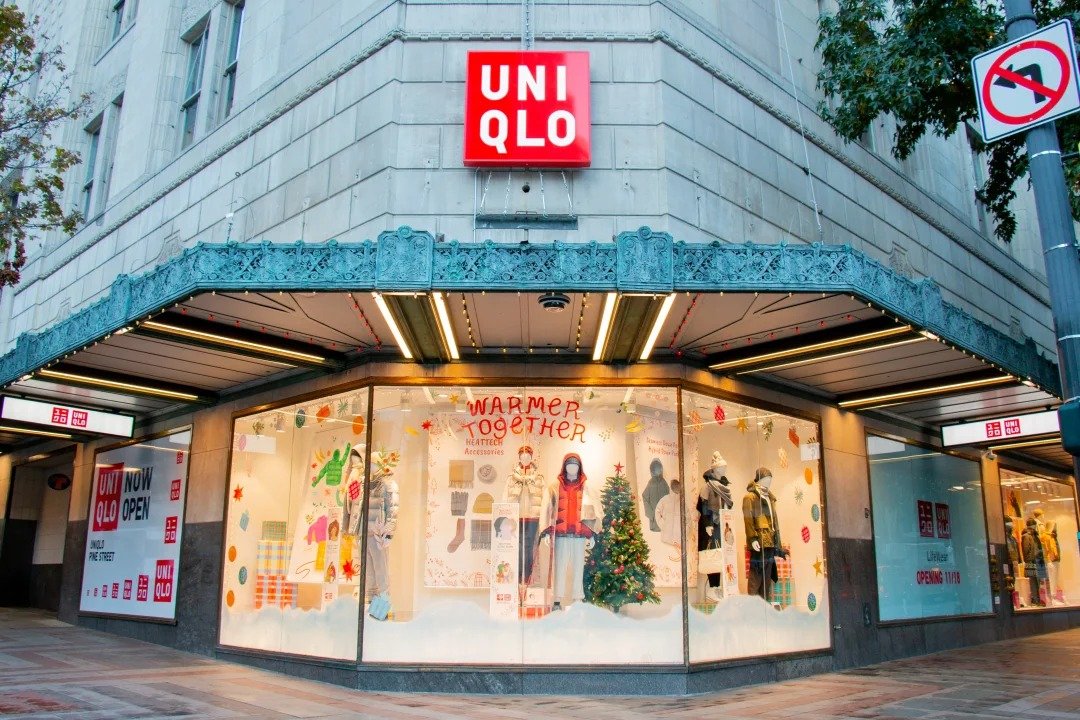
In the short term, the Fast Retailing salary adjustments may help ease recruitment challenges in Tokyo and other major cities. The move could also reduce employee turnover and support workforce stability. Over the longer term, higher starting pay may increase the spending power of young professionals. This could influence broader economic growth patterns in Japan and, indirectly, in regional partner markets such as Malaysia. The trend also highlights growing attention to wage standards and labour conditions across globally competitive industries. While the full impact remains to be seen, the response to inflation and labour shortages is likely to shape corporate policy beyond the retail sector.