Deputy Prime Minister highlights ongoing discussions between PETRONAS and Petros in Kuching
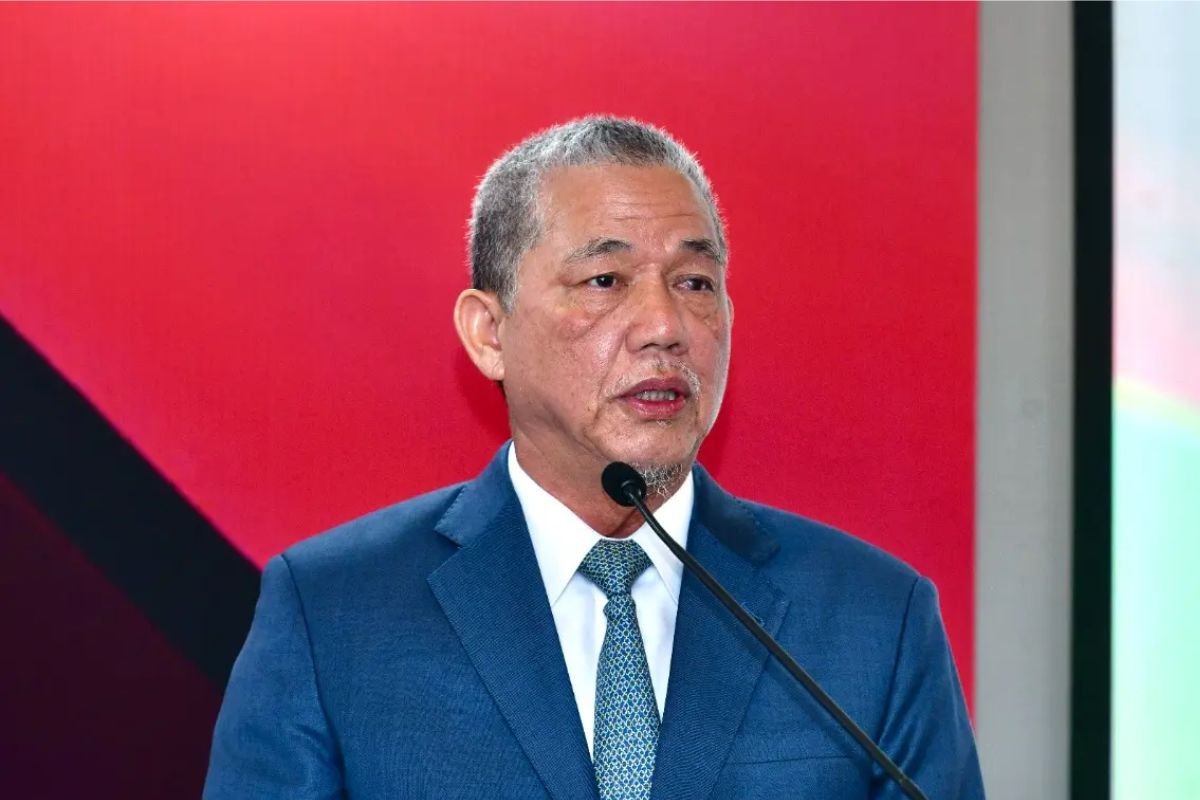
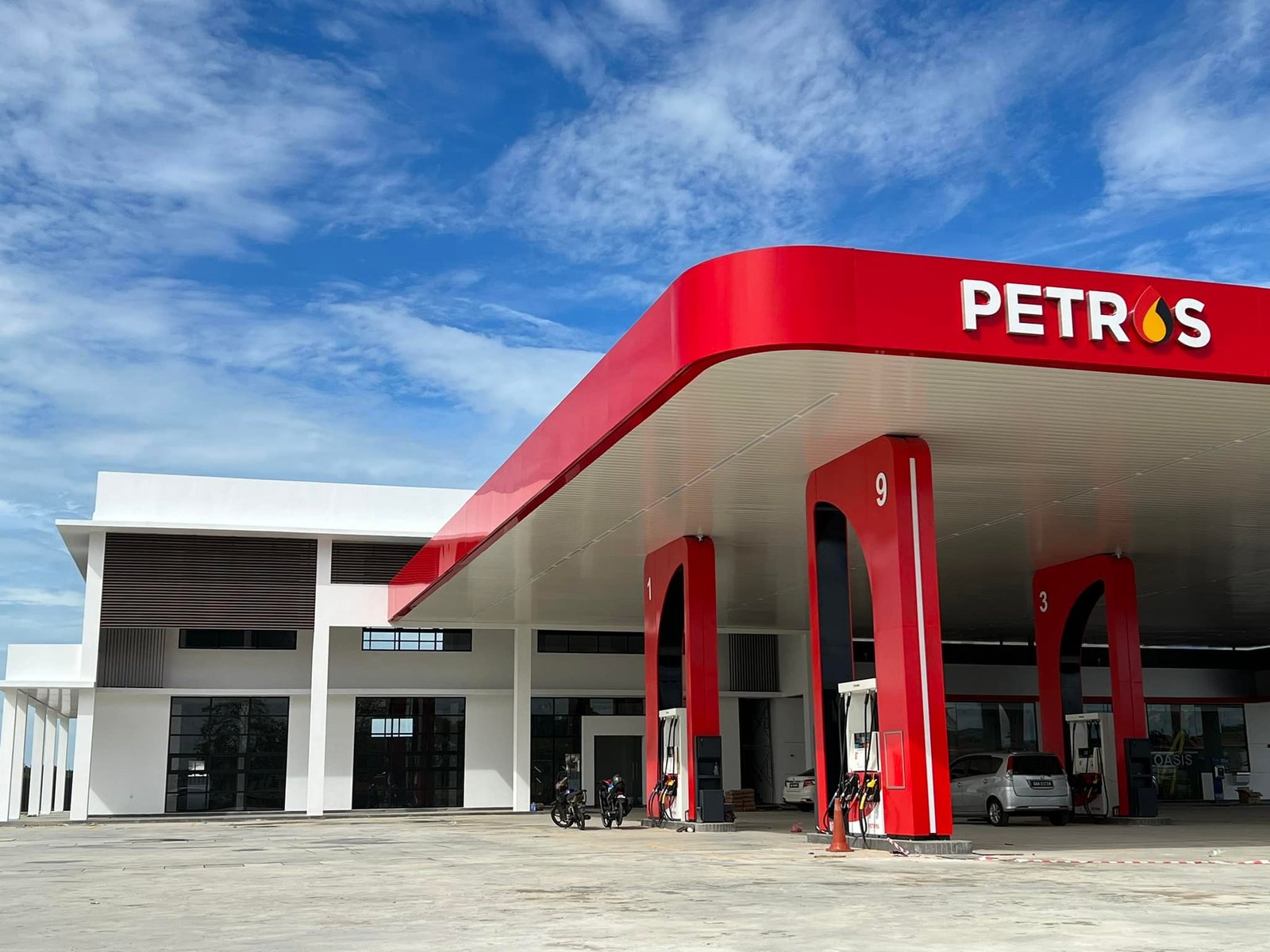
The Petronas Petros negotiations between Petroliam Nasional Berhad (PETRONAS) and Petroleum Sarawak Berhad (Petros) are advancing constructively, with both parties aiming for a mutually beneficial outcome by early next year. Deputy Prime Minister Datuk Seri Fadillah Yusof shared this update during the 2026 Sarawak Budget Conference in Kuching.
The discussions are taking place in Sarawak amid ongoing challenges related to legal interpretations and commercial arrangements within the petroleum industry. The complexity of the negotiations reflects broader issues tied to Malaysia’s energy landscape, including operational safety and engineering considerations in Sarawak’s oil and gas sector.
Chronological update on Petronas Petros negotiations negotiations and involvement of national and state leadership
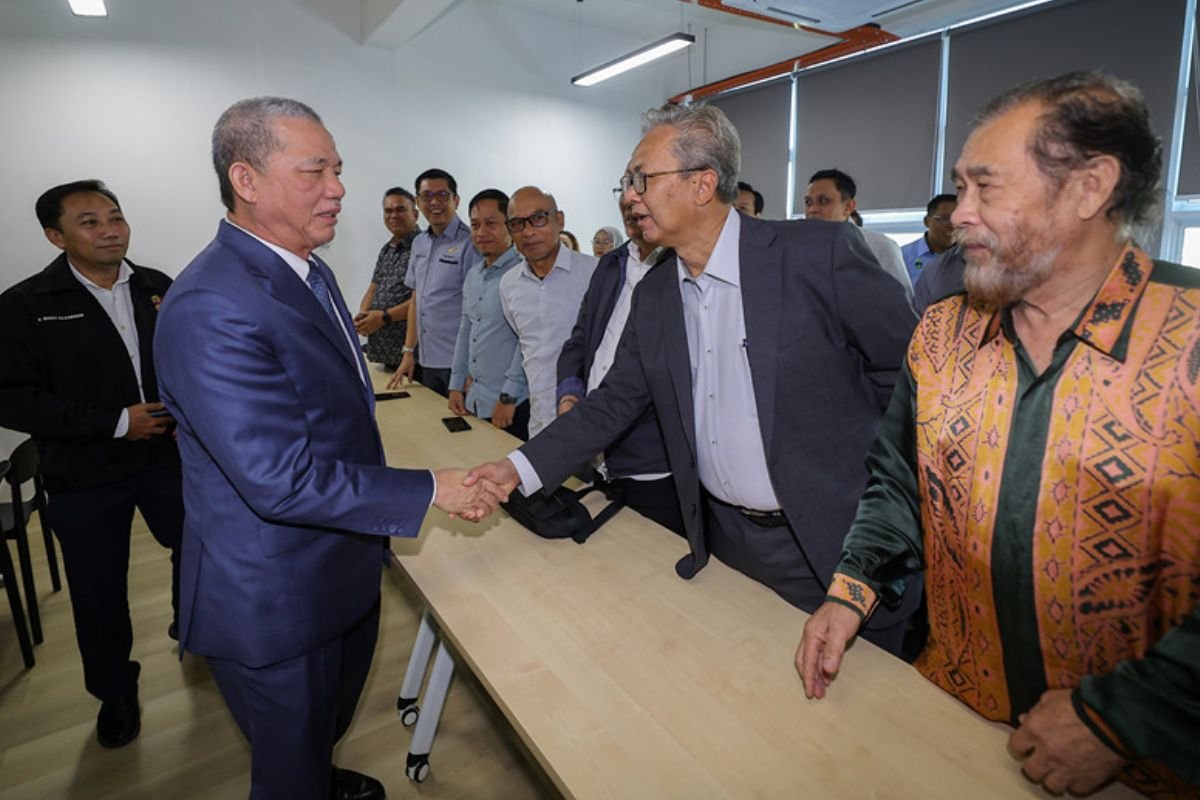
The negotiation process began earlier this year. A key milestone occurred on May 21, when Prime Minister Datuk Seri Anwar Ibrahim and Sarawak Premier Tan Sri Abang Johari Tun Openg issued a joint declaration at Perdana Putra, Putrajaya. The declaration reaffirmed PETRONAS’s statutory role under the Petroleum Development Act 1974.
It also emphasised the need for federal and Sarawak state laws to coexist, particularly in gas distribution. Officials acknowledged the role of courts and legal frameworks. However, they agreed that relying solely on legal interpretation could delay resolution due to procedural complexity. As a result, PETRONAS and Petros are encouraged to strengthen commercial and operational collaboration.
The Deputy Prime Minister stressed that the negotiations explore all possible collaborative avenues. The goal is to maximise mutual benefits while safeguarding national interests and supporting the business community through a win-win approach.
Official stance underscores respect for federal and Sarawak state regulations in petroleum sector

According to the Prime Minister’s Office (PMO), the joint declaration requires all entities operating in Sarawak to respect both federal and state laws related to gas distribution. This requirement applies equally to PETRONAS and Petros.
The PMO added that cooperation between the two entities should follow transparent and commercially sound principles. The framework must also uphold national interests. Authorities did not disclose details of any judicial proceedings. They also confirmed no involvement from police or fire departments, indicating that the matter remains within legal and contractual negotiation channels.
These negotiations highlight the importance of clear engineering standards and established safety protocols. Such measures are critical given Sarawak’s strategic role in Malaysia’s energy sector.
Public discourse around the Petronas Petros negotiations reflects cautious optimism and highlights broader implications for Malaysia’s energy sector.
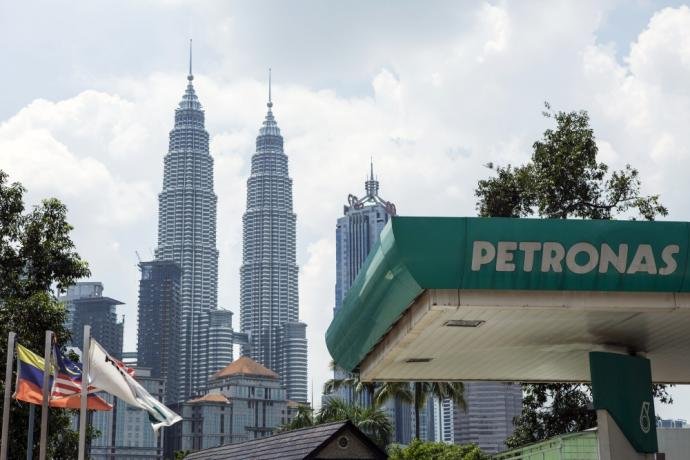
Public discourse around the Petronas Petros negotiations reflects cautious optimism and highlights broader implications for Malaysia’s energy sector. The discussions have drawn attention across social media platforms and among industry stakeholders, particularly within energy and engineering communities in Kuala Lumpur, Selangor, and Sarawak.
Industry discussions focus on the potential benefits of a cooperative framework for commercial safety, regulatory compliance, and long-term energy security. Independent analysts note that while a win-win resolution remains the objective, the industry continues to monitor how the outcome may influence operational safety and infrastructure development standards. This includes traffic management involving heavy transport linked to petroleum production and supply chains. Observers also view the federal–state jurisdictional balance as a precedent for future regulatory and commercial arrangements.
Short-term and long-term outlooks highlight ongoing adjustments in Malaysia’s petroleum engineering and safety protocols
In the short term, continued negotiations are expected to minimise disruptions that could otherwise affect operational traffic flow, workforce safety, and commercial activity in Sarawak’s petroleum sector. A timely resolution may also reduce delays linked to legal disputes, benefiting engineering projects that rely on coordination among contractors, regulators, and emergency services such as the fire department.
Over the long term, the negotiations may lead to improved regulatory frameworks that strengthen engineering standards and safety protocols. These measures are critical for sustainable operations. Overall, the developments may enhance cooperation between federal and state entities and contribute to improved infrastructure planning and resource management within Malaysia’s energy industry.
Location: KUCHING
Date: 2025-12-16