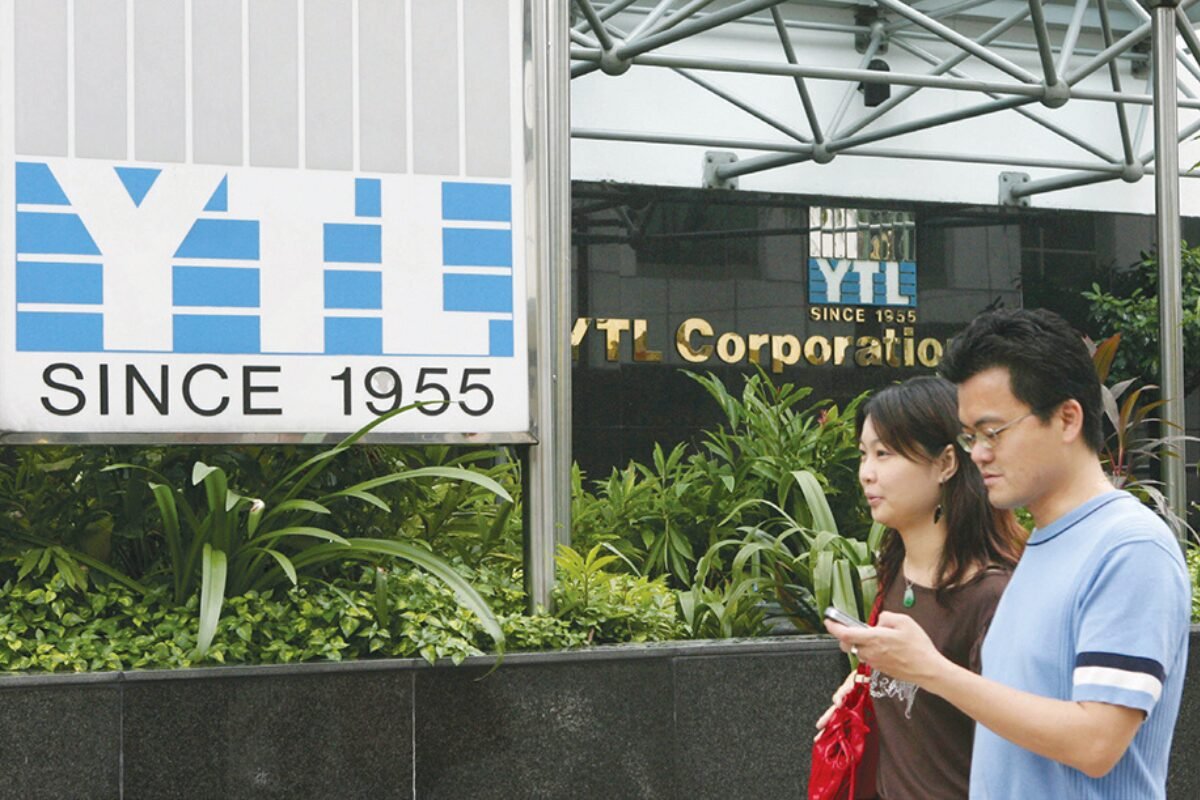
Founded by Yeoh Tiong Lay, YTL Corporation Berhad is now led by Tan Sri Francis Yeoh, with third-generation leader Ruth Yeoh guiding sustainability and governance. The group operates across energy, water, hotels, telecom, cement, real estate and AI data infrastructure.
To understand the essence of a company, you don’t look at its slogans—you look at how it behaves at turning points. YTL’s history contains several “momentum shifts” that reshaped the next decade of its growth. As I went through them, I kept seeing the same pattern: consistency. Their moves weren’t lucky guesses but a disciplined system of judgment refined across generations.
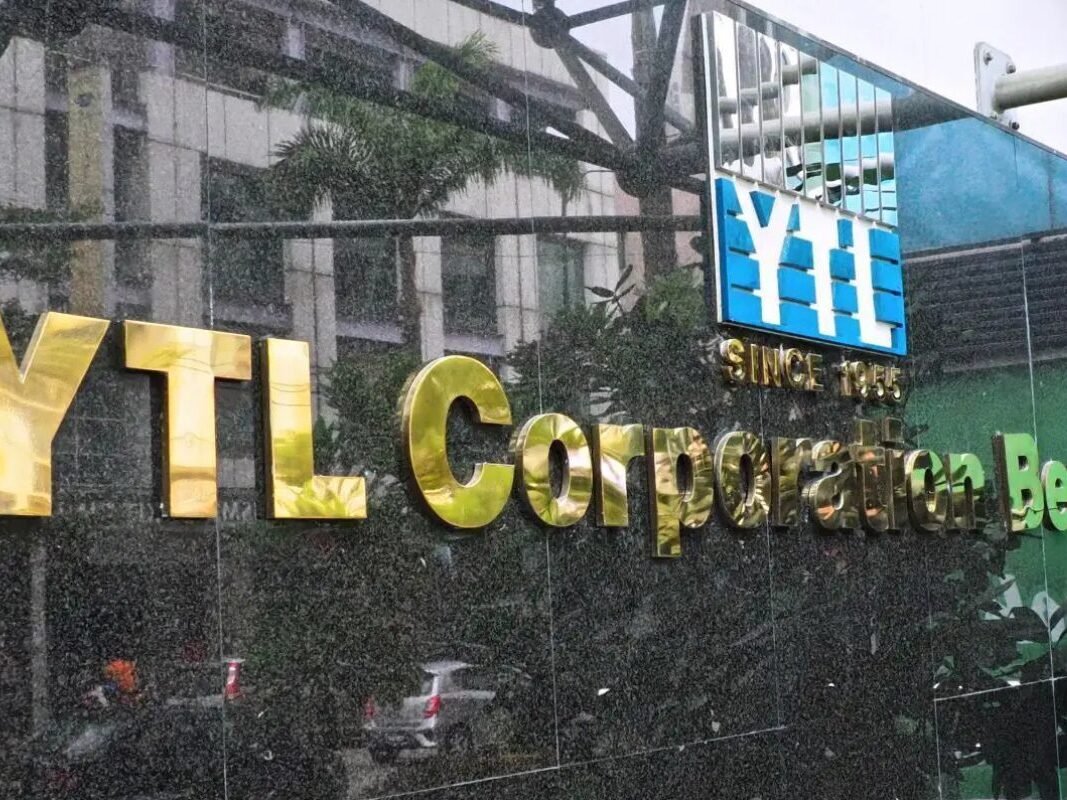

YTL Corporation’s Crisis Moment: Completing Projects During the Oil Shock
During the 1970s oil crisis, construction firms collapsed everywhere. Many abandoned projects or defaulted. YTL made the opposite choice: continue and deliver—even if it meant mortgaging assets. That stubbornness preserved its most important intangible asset: credibility. Years later, this credibility opened doors into regulated sectors like power and water.
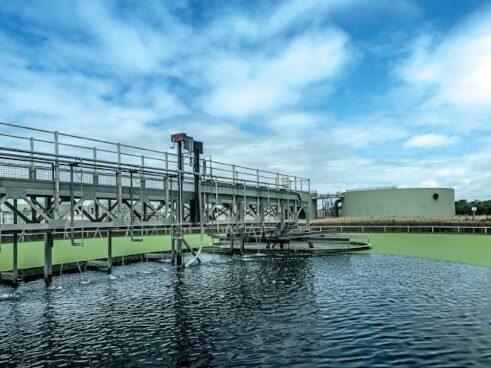
The Wessex Water Acquisition: A Counter-Cyclical Masterclass
YTThis remains one of YTL’s most defining moves:
- Global competitors hesitated
- Assets were undervalued yet strategically essential
- YTL acted decisively amid uncertainty
- The utility eventually became a UK benchmark
It demonstrated YTL’s ability to stay calm when markets panic.

Singapore’s Power Seraya: Entering a Strict Market with Precision
When Temasek sold Power Seraya, sentiment was weak. YTL instead saw a stable regulatory environment and long-term demand predictability.
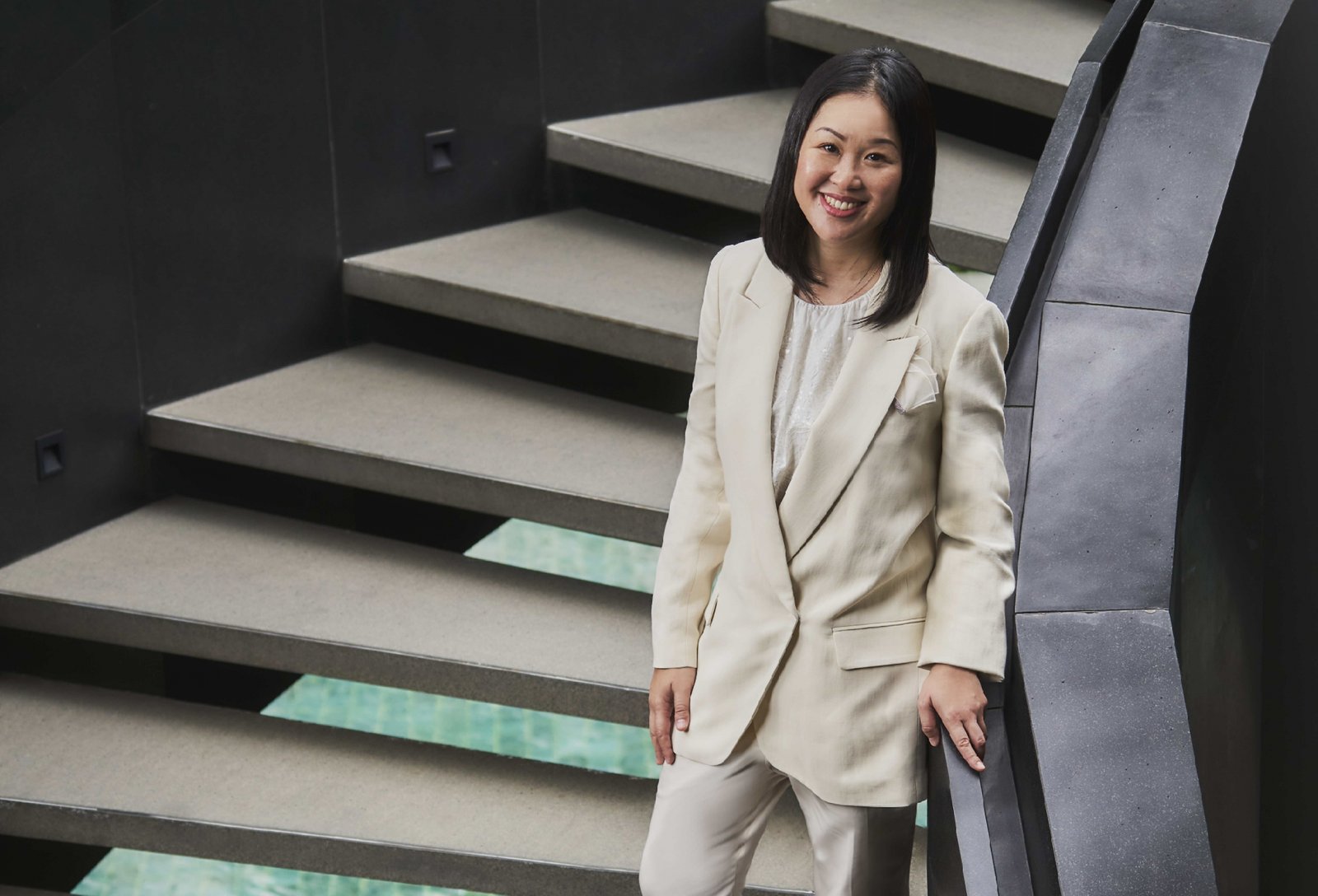
Francis Yeoh led the strategic assessment, while later governance enhancements by Ruth Yeoh strengthened the group’s sustainability positioning in Singapore’s energy landscape.
— Image sourced from the internet
YTL Corporation’s Resource Leverage: Extending Internal Capabilities Across Industries
YTL’s most underrated capability is its ability to replicate internal strengths across new sectors.
| Core Capability | How YTL Amplifies It Across Industries |
|---|---|
| Engineering expertise | Power plants, water utilities, data center infra |
| Cash flow discipline | Hotels, real estate, telecom |
| International governance | Expansion into UK, Singapore, Japan, Australia |
| ESG leadership (Ruth Yeoh) | Compliance with global sustainability standards |
Their formula is not “more money = bigger empire,” but “stronger internal capability = larger operating leverage.”
Capital isn’t about size—it’s about how precisely a company amplifies every resource it owns.