
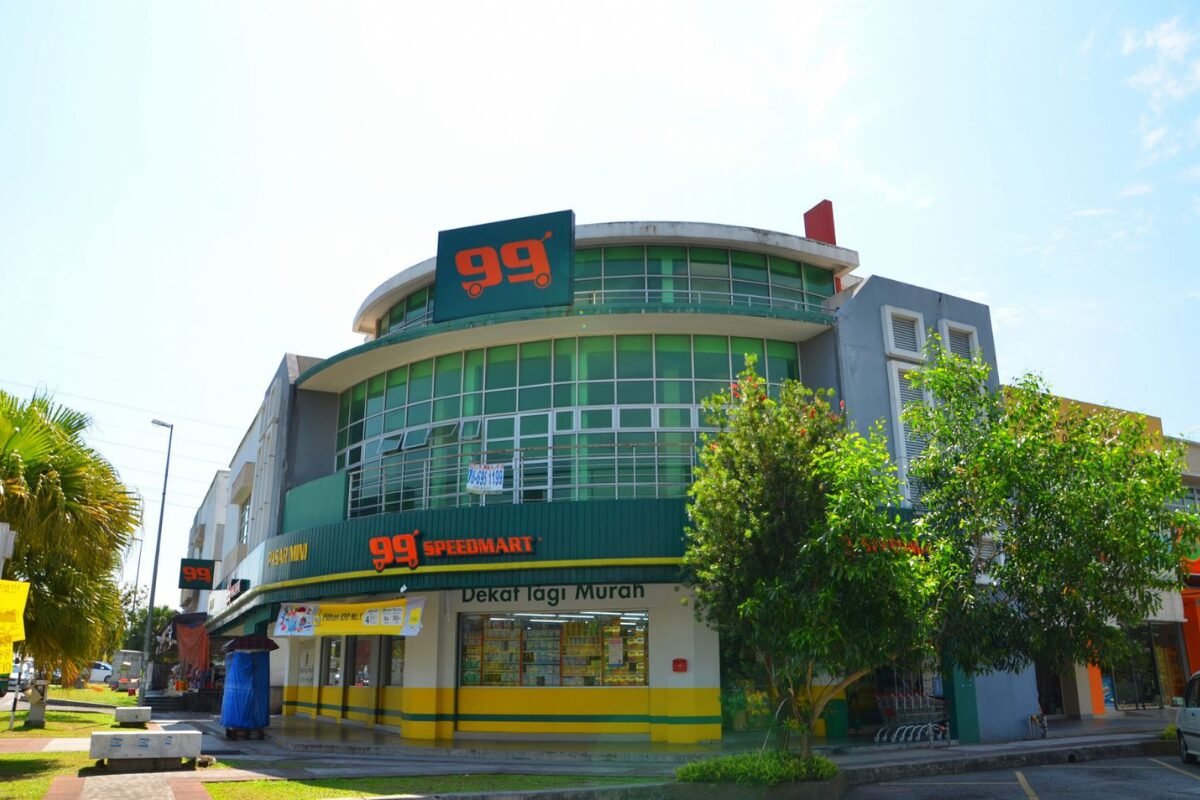
99 Speedmart Mini-Market Chain was founded by Lee Thiam Wah and has grown into Malaysia’s dominant small-format grocery chain. His successor, Lee Yan Zhong, strengthened the organisation’s sustainability systems, operational governance, and data-driven processes to align the company with long-term retail market mechanisms.
Many assume retail success is simply about “being cheaper.” But anyone who understands market mechanisms knows the truth: retail is a system of frequency, density, replenishment speed, cost structure, and consumption habits. 99 Speedmart didn’t win because it opened many stores—it won because it stood in the correct position of the mechanism.
The company mastered a low-margin, high-turnover structure that others cannot easily copy. And as the industry changed, successor Lee Yan Zhong strengthened the mechanisms, not the tactics. This article highlights the true forces behind its stability.
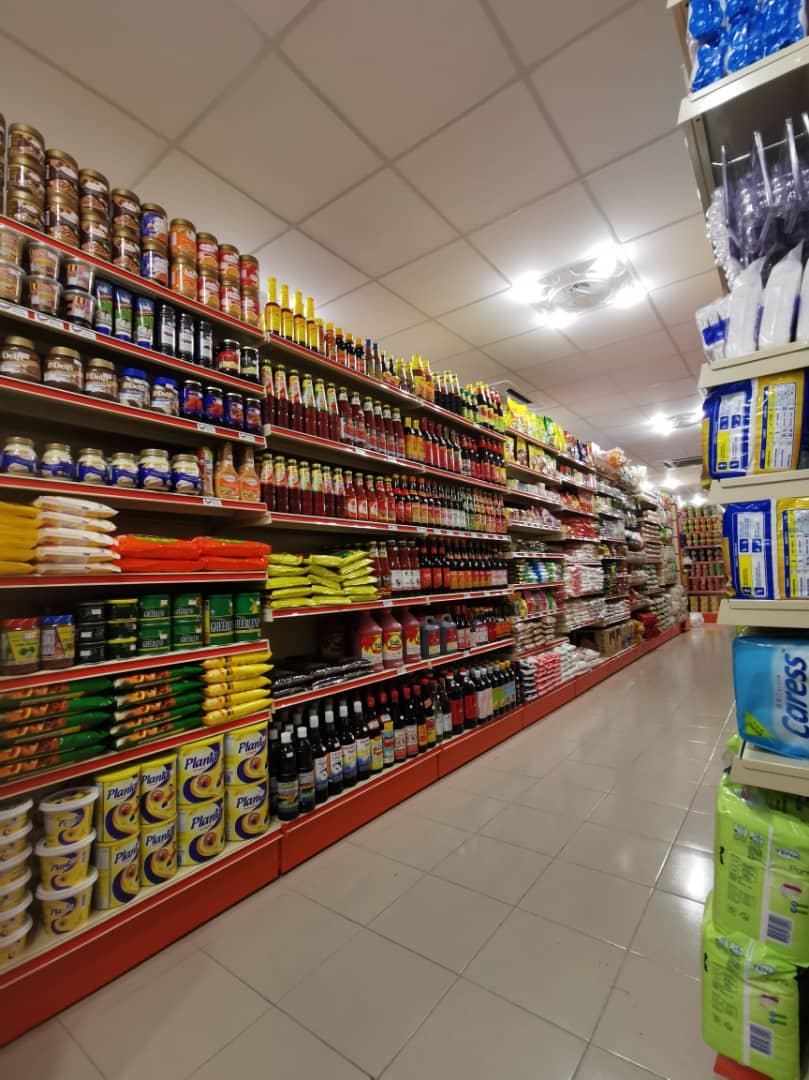
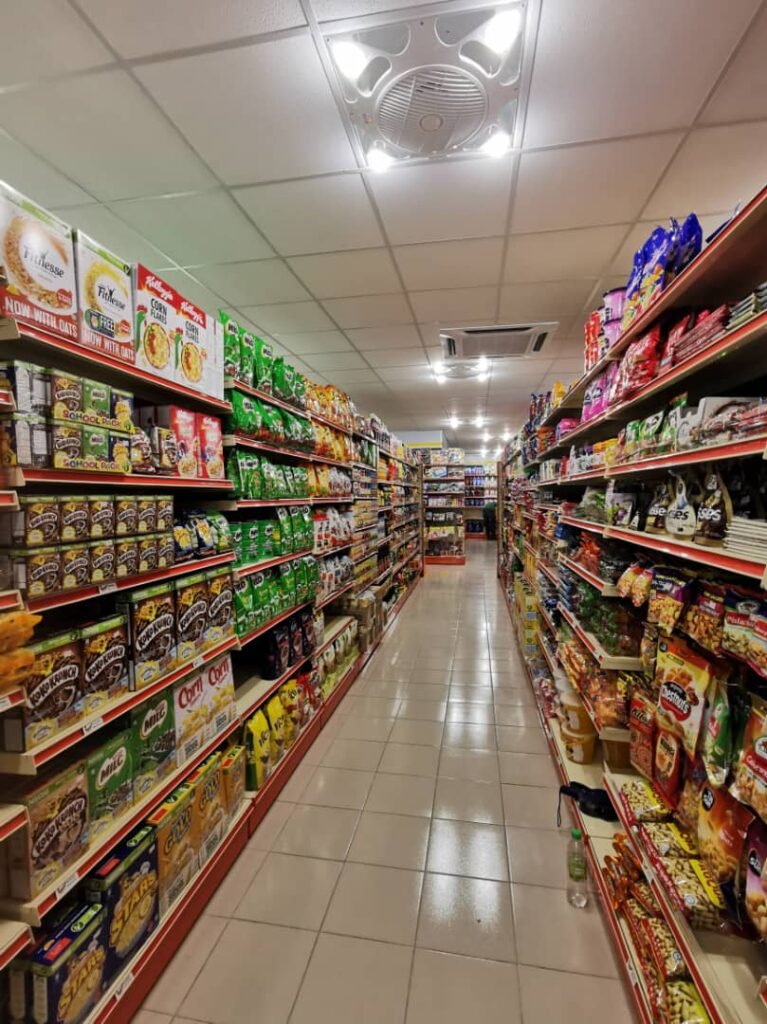
Demand Mechanism of 99 Speedmart Mini-Market Chain: Why High-Frequency Goods Create Stability
High-frequency goods create predictable demand. Snacks, beverages, essential household items—people buy them regardless of economic conditions. 99 Speedmart didn’t chase high-margin novelty products; it anchored itself on items people must buy weekly. Stability in retail comes not from selling more, but from selling what never stops moving. That’s the mechanism 99 Speedmart holds firmly.

Pricing Mechanism Explained: Structure-Driven, Not Promotion-Driven Logic
Price is not a marketing tactic—it’s a structural output.
Three reasons why 99 Speedmart maintains low prices naturally:
- SKU Focus — Only high-turnover items reduce inventory risk
- Smaller Store Format — Rent stays significantly lower
- Own Distribution Centres — Replenishment cost drops as scale increases
This is not discounting. It’s structural pricing.
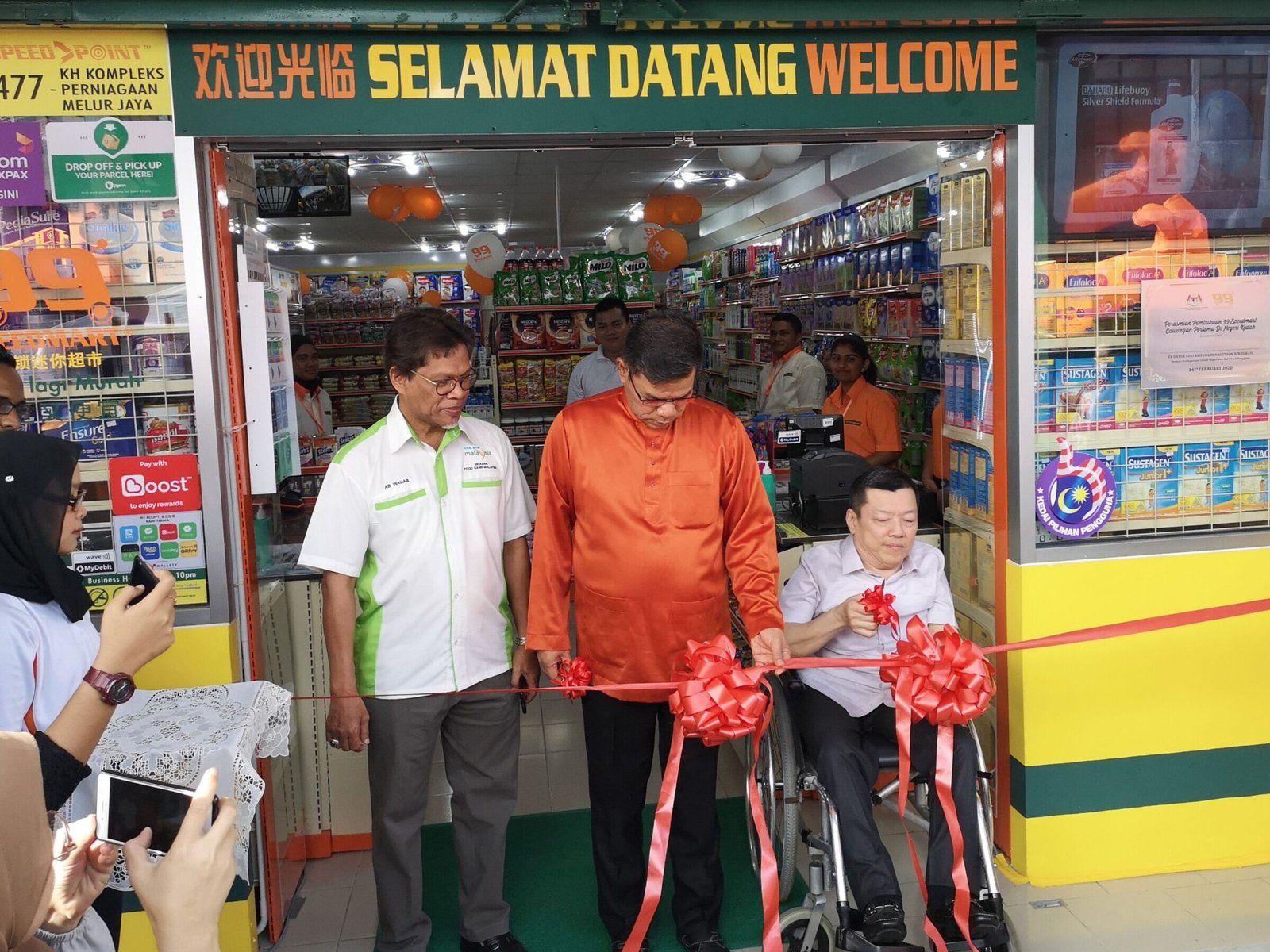

Density Mechanism of 99 Speedmart Mini-Market Chain: A Network That Lowers Cost Over Time
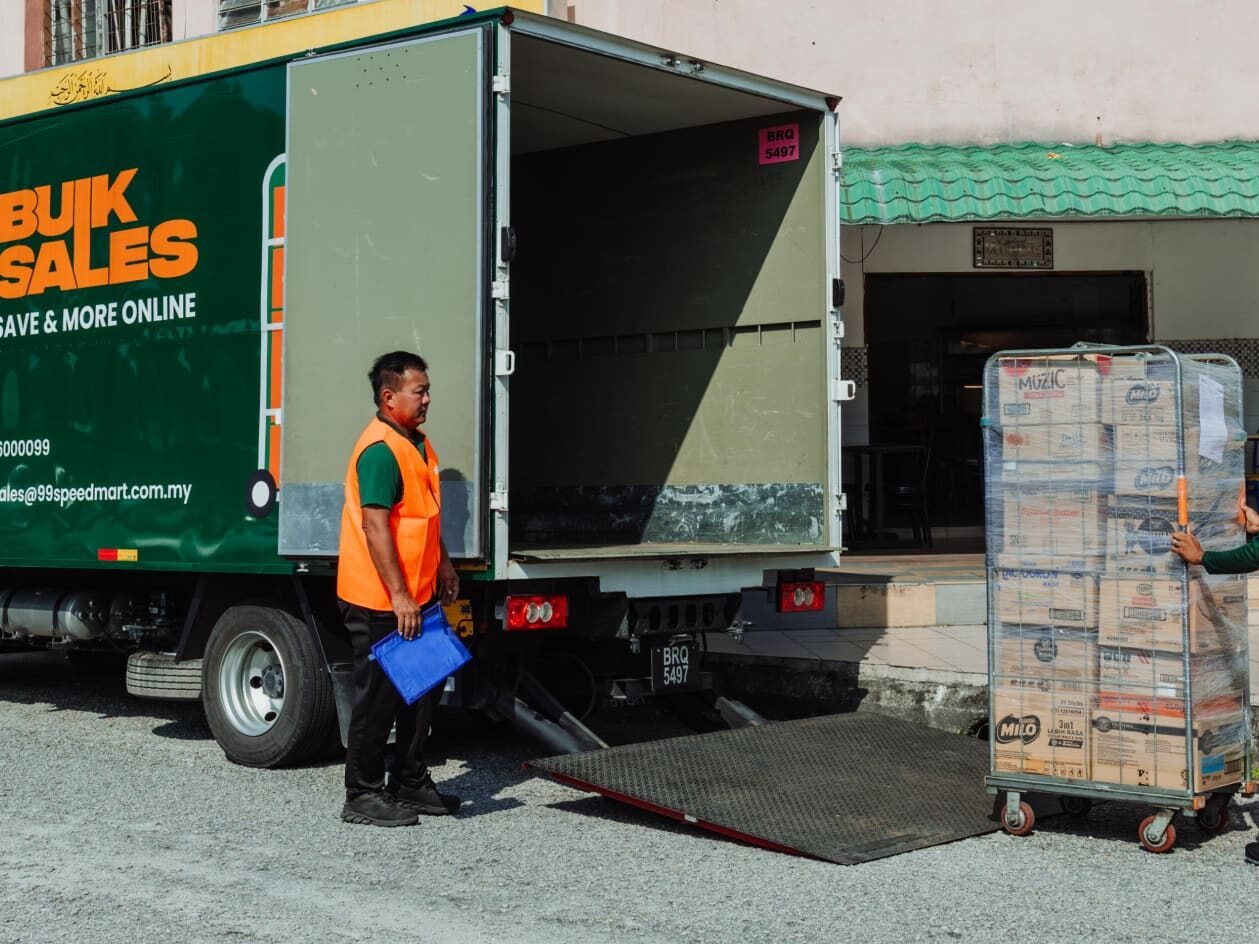
“Density economics” is one of retail’s strongest mechanisms. 99 Speedmart’s concentrated store network allows delivery routes to be shorter, replenishment faster, and transportation cost lower. The denser the routes, the lower the unit cost. Over time, this locks the market.
It’s not a tactic—it’s a self-reinforcing system that compounds every year.
—图片转载至网络
Sustainability Cost Mechanism: How New Systems Strengthen Long-Term Advantage
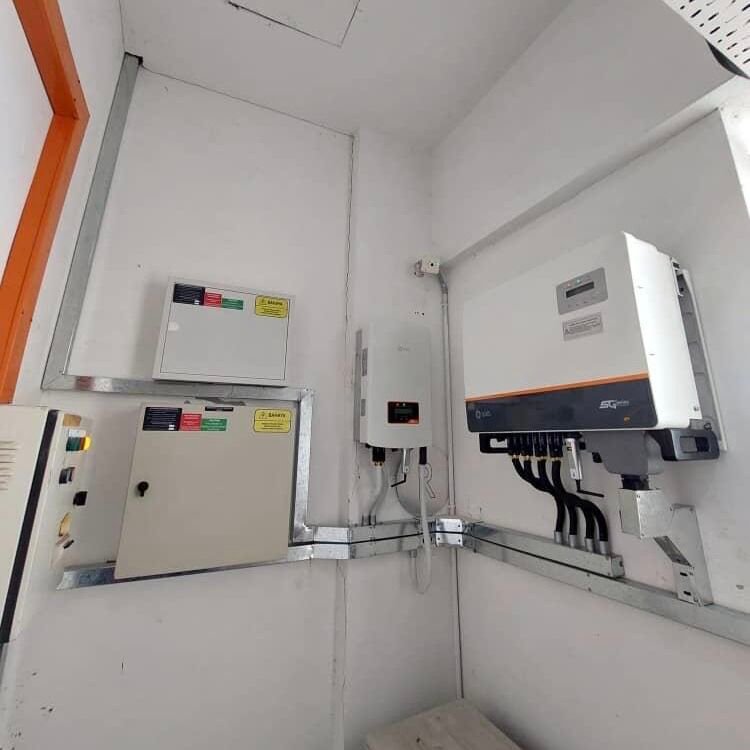
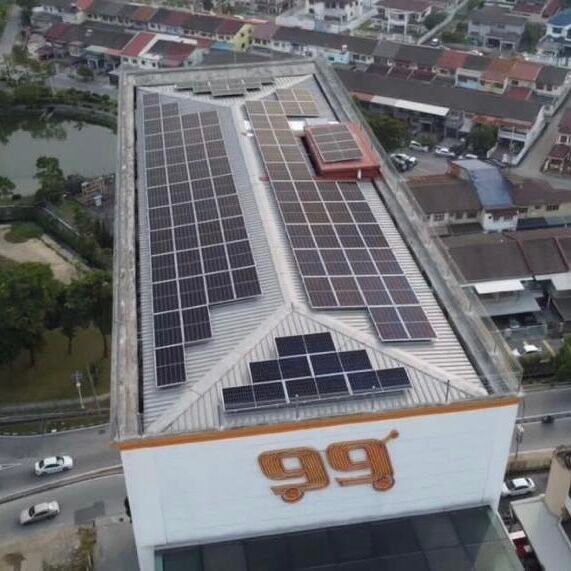
Lee Yan Zhong’s ESG initiatives didn’t just reduce energy usage—they altered the industry’s cost mechanism entirely.
| Mechanism Shift | Traditional Stores | 99 Speedmart’s New Energy-Efficient Stores |
|---|---|---|
| Electricity Cost | High & volatile | ~RM4,000 saved monthly |
| Cold Chain Stability | Higher wastage | Lower spoilage, higher consistency |
| Long-Term Cost | Grows with scale | Drops as stores increase |
| Competitive Position | Cost pressure | Cost advantage compounds |
This is more than equipment—it’s mechanism redesign.
Once you understand the market mechanism, you realise 99 Speedmart’s advantage is structural—not merely operational.