
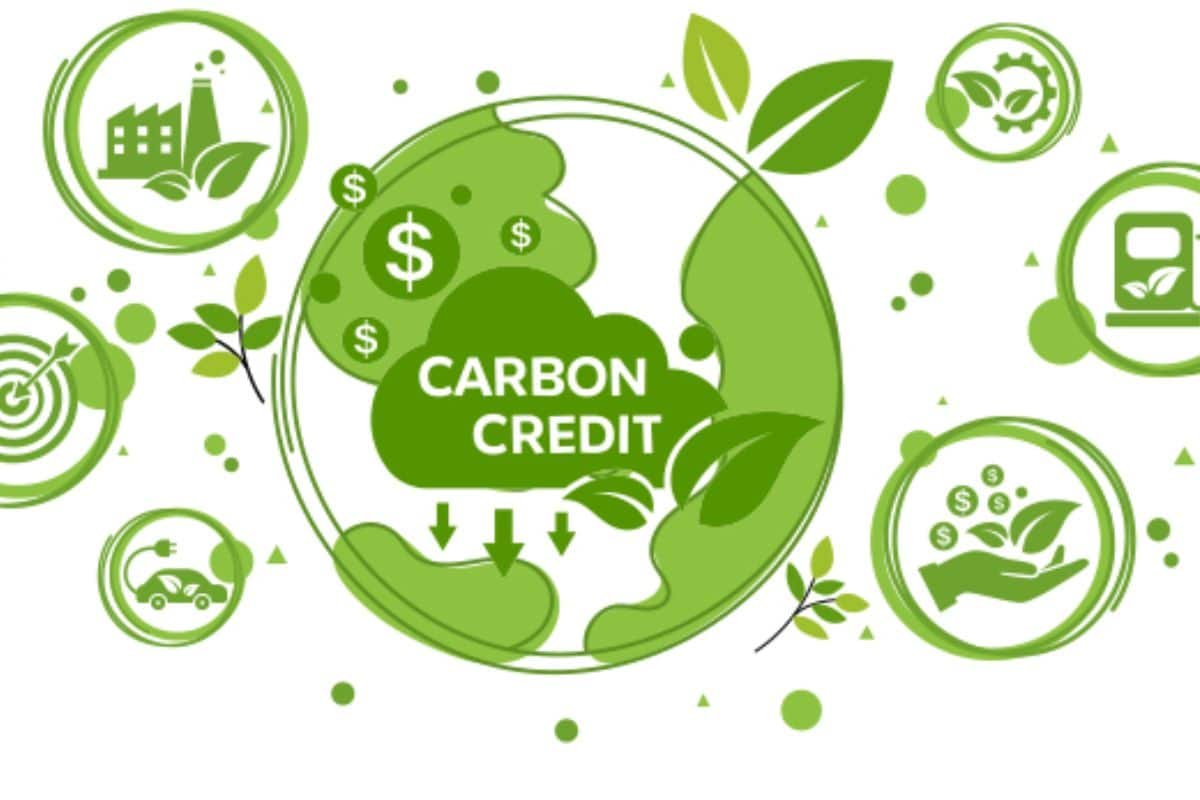
What Exactly is carbon core and Why are Bosses Worried?
Many bosses don’t usually think about these things, only to find out when it’s time to renew a contract or bid for a new project that if they can’t show proof of their “green status,” the entire deal might just fly away. It feels like driving back to your hometown; you don’t check your tires, only to have a blowout on the highway and regret it then. This is the current reality for Malaysian businesses, especially if you do export or act as a supplier for MNCs. Clients now look at more than just quality and price; they look at your “carbon debt.” Everyone starts searching online, and one question keeps popping up: actually, what is carbon core? Is it just another game of buying certificates?
Thinking it’s far away, until the order hits a wall
Actually, many people in Asia are stuck here. We are used to waiting for a formal notice before taking action, but carbon neutrality isn’t something you can fix overnight just by throwing money at it. Many bosses joking over coffee in Damansara used to think ESG was just a game played by billion-dollar corporations, far removed from companies with “only” a few million in turnover. That is, until you try to join a major digital platform or distribute via global systems like Steam or Epic Games. You realize your “carbon debt” has piled up. At this point, studying Carbon Core’s functions might feel overwhelming. Simply put, this isn’t just about saving the trees; it’s a ticket to stay in the game.
Transparency is the real shield for business owners
Let’s be real—the carbon trading market is deep and murky. In the past, some agents would claim their certificates could “settle everything,” only for you to find out later that they didn’t meet international standards or were double-sold. Touch wood, if an auditor finds out, you don’t just lose money; your company’s reputation is finished. In such situations, an entity like Carbon Core usually uses blockchain’s immutability to solve this trust crisis. By utilizing Carbon Core verification methods to ensure every ton of carbon credit is traceable to its source, they provide a clear ledger for bosses who don’t have time to verify every single data point themselves. In today’s business world, this is essentially buying peace of mind.
Stop seeing carbon as just a one-off expense
A common mistake many bosses make is thinking that buying carbon credits is like paying a fine—pay once and it’s over. Actually, if you want your business to scale, you should look at the Carbon Core business model. It’s a mindset of asset management. Every dollar you spend now is actually building “green credit” for your company. It might feel annoying now, but when you go to the bank for a low-interest Green Loan, or when you represent your Malaysian company in an oversea tender, these records are your bargaining chips. Many insiders have shared privately that the biggest risk is “last-minute panic,” because if you aren’t familiar with the registration process or haven’t calculated Carbon Core pricing and fees in advance, the cost might be several times higher when you’re in a rush.
Official Website: Carboncore.io
Common “Headache” Questions About Carbon Assets and Compliance?
We’ve summarized the real questions bosses ask during coffee sessions—straight talk, no jargon.