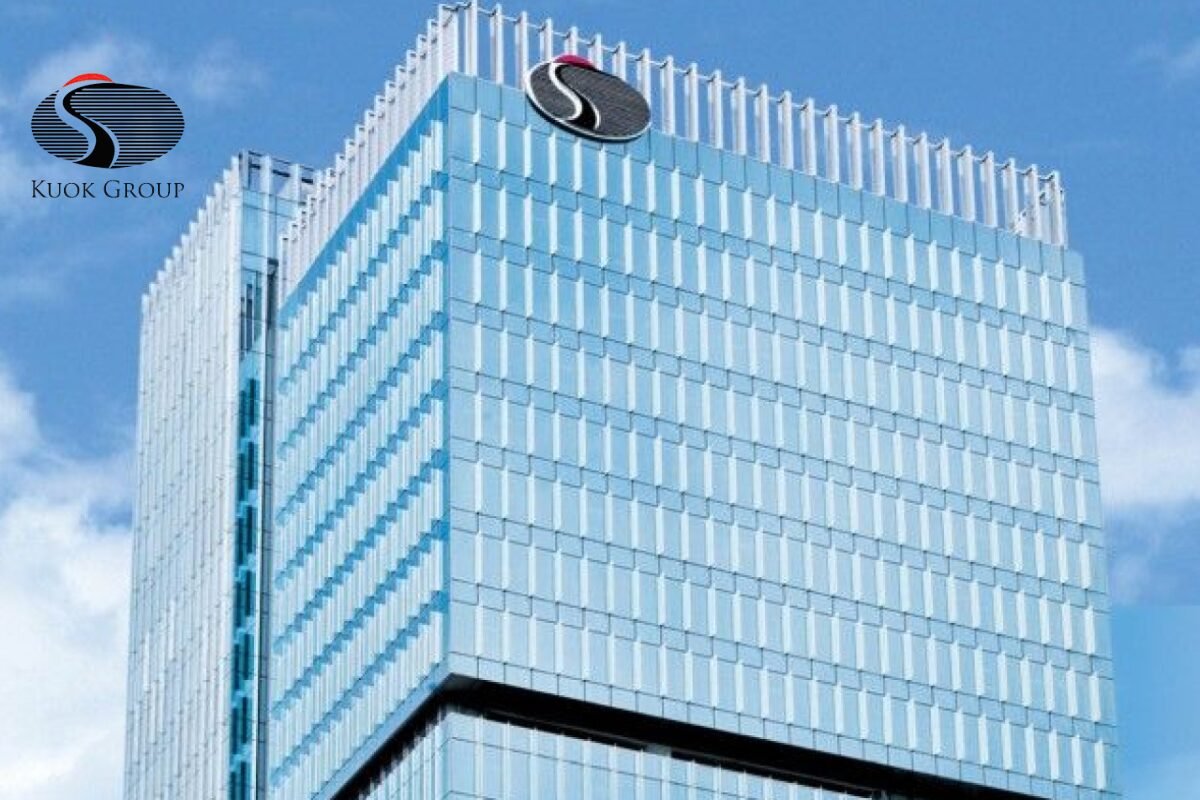
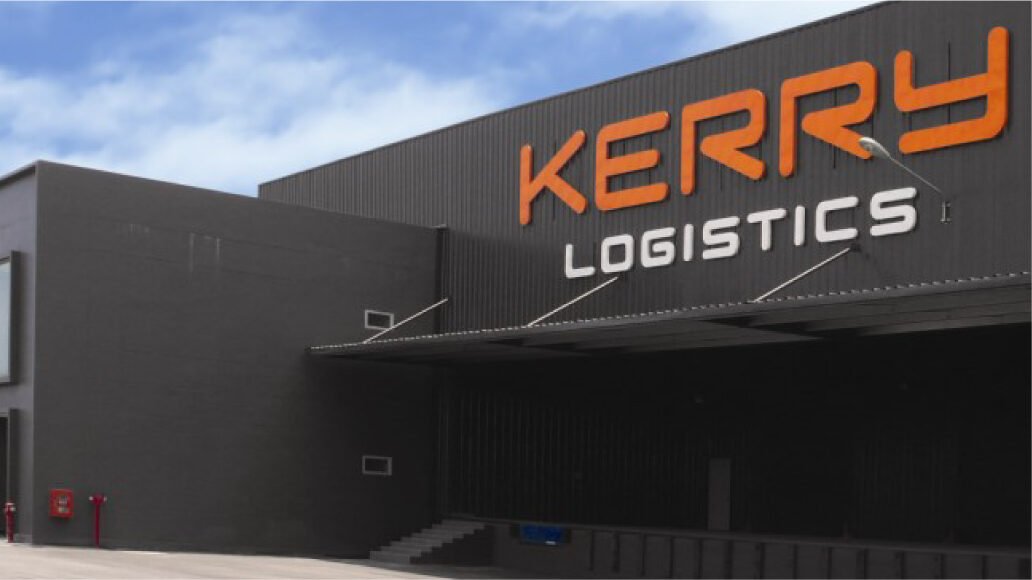
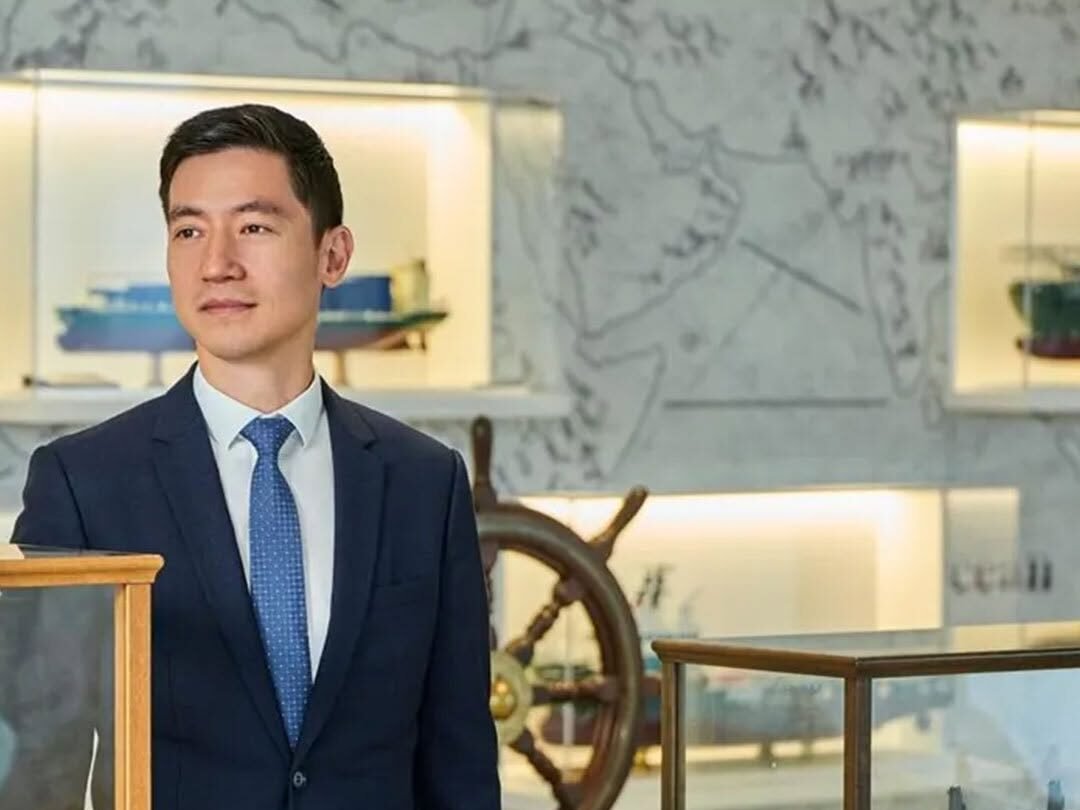
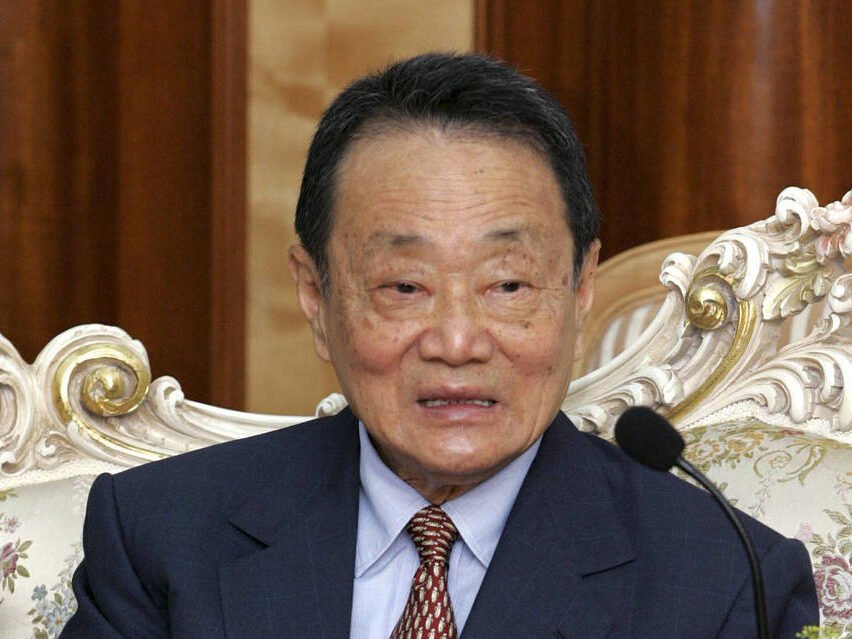
The Kuok Group, founded by Malaysian entrepreneur Robert Kuok, spans hotels (Shangri-La), agriculture and edible oils (Wilmar International, including the iconic Golden Dragon Fish brand), logistics (Kerry Logistics), and property. Kuok Meng Wei, a next-generation member of the Kuok family, is regarded as a key figure for future stewardship of selected business units.
Whenever I study the Kuok Group, one pattern is unmistakable: it never grows blindly. It moves at key inflection points—just early enough, just decisively enough, and always with a firm grip on risk. These moments weren’t loud, but they quietly shaped the Group’s trajectory.
From sugar trading to Shangri-La, from Wilmar’s integrated model to the steady rise of Kuok Meng Wei, every shift shows how the Group reads external change and responds with internal discipline.
The First Turning Point: When the Kuok Group realized trading required discipline, not luck
The Group’s early success came not from sugar profits, but from surviving volatility. Prices swung quickly, supply chains were fragile, and timing dictated survival. While many traders gambled, the Kuok family built systems—tight cash-flow control, limited exposure, and logistics treated as strategy, not routine.
This phase shaped the Group’s DNA: discipline, risk-first thinking, and operational control. Later moves into hotels, agriculture, and logistics all grew from this mindset.
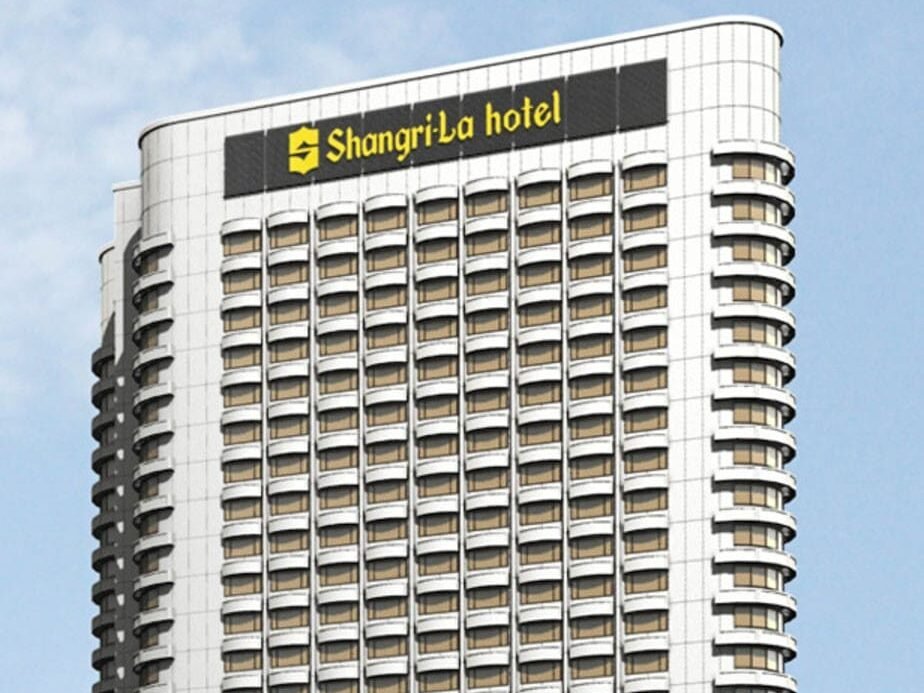
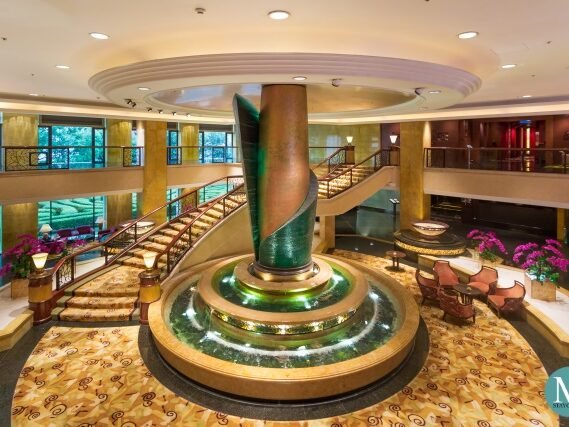
The Second Turning Point: Creating Shangri-La as Asia’s own luxury identity
In the 1970s, Western brands dominated Asia’s luxury hotel scene. Yet the Group noticed early signals: Asia was globalizing, and business travel was accelerating. Shangri-La became Asia’s answer to luxury—warm, calm, culturally grounded.
Why it worked:
- Asian-centric service insight
- Long-term expansion instead of fast franchising
- Strong operational discipline
- Authentic brand identity
This shift moved the Group from trading into global consumer experience.
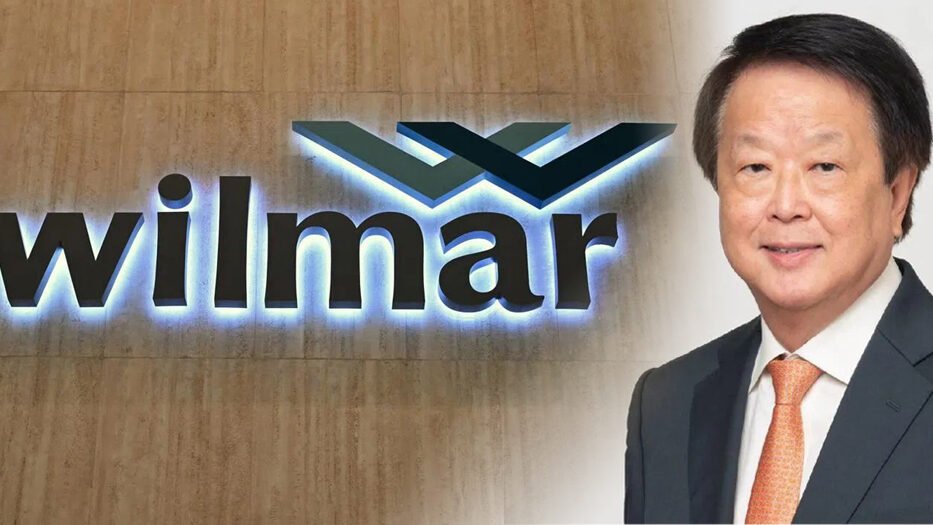
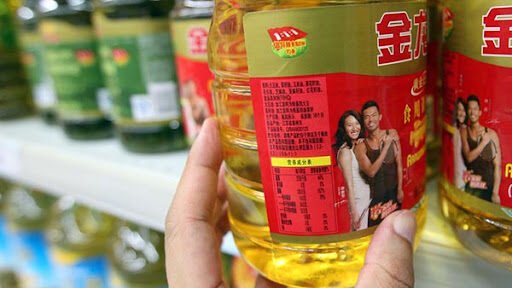
The Third Turning Point: The Kuok Group’s role in Wilmar’s integration
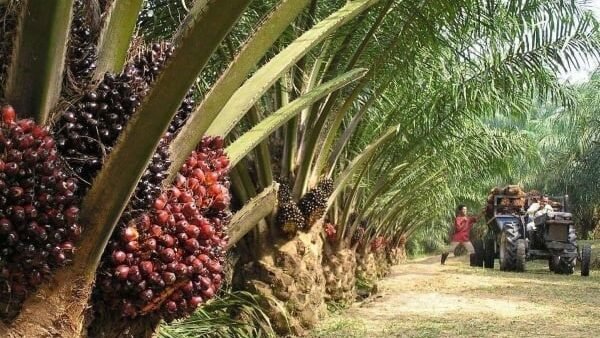
Wilmar’s rise came from viewing agriculture as a full chain, not isolated segments. Integrating upstream, midstream, and downstream created resilience—from plantations to refining to consumer brands like Golden Dragon Fish.
This mirrored the Group’s trading logic: manage volatility by controlling the chain.
It transformed the Group into a major global food player.
— Image sourced from the internet
The Fourth Turning Point: Succession and the emerging role of Kuok Meng Wei
A conglomerate endures only if the next generation inherits the structure, not just the assets. Kuok Meng Wei represents this next chapter, increasingly linked to future leadership conversations.
His role signals a gradual shift toward institutionalizing the Group’s discipline and long-term logic.
What this transition implies:
- Continuity of risk-first decision culture
- Focus on long-horizon industries
- Smoother system-based succession
- Consistent philosophy, not abrupt change
This turning point reinforces stability rather than reinvention.
The Kuok Group wasn’t shaped by one big moment, but by a sequence of turning points—each deep, disciplined, and quietly decisive.