Analyze the Malaysia Top 5 Industry Hub performers to find out why Pengerang is the accelerating leader for heavy industrial investment
The conventional industrial hub ranking is a lagging indicator. It measures what already exists—tenant density, established infrastructure, and proven track records. However, for investors and operators seeking the Malaysia Top 5 Industry Hub destinations with the highest future upside, static data is often already priced in. What truly matters is momentum: identifying which corridors are at the beginning of their growth curve rather than the plateau. This report shifts the focus from where capital has already settled to where it is moving next.
🔴 Quick Read
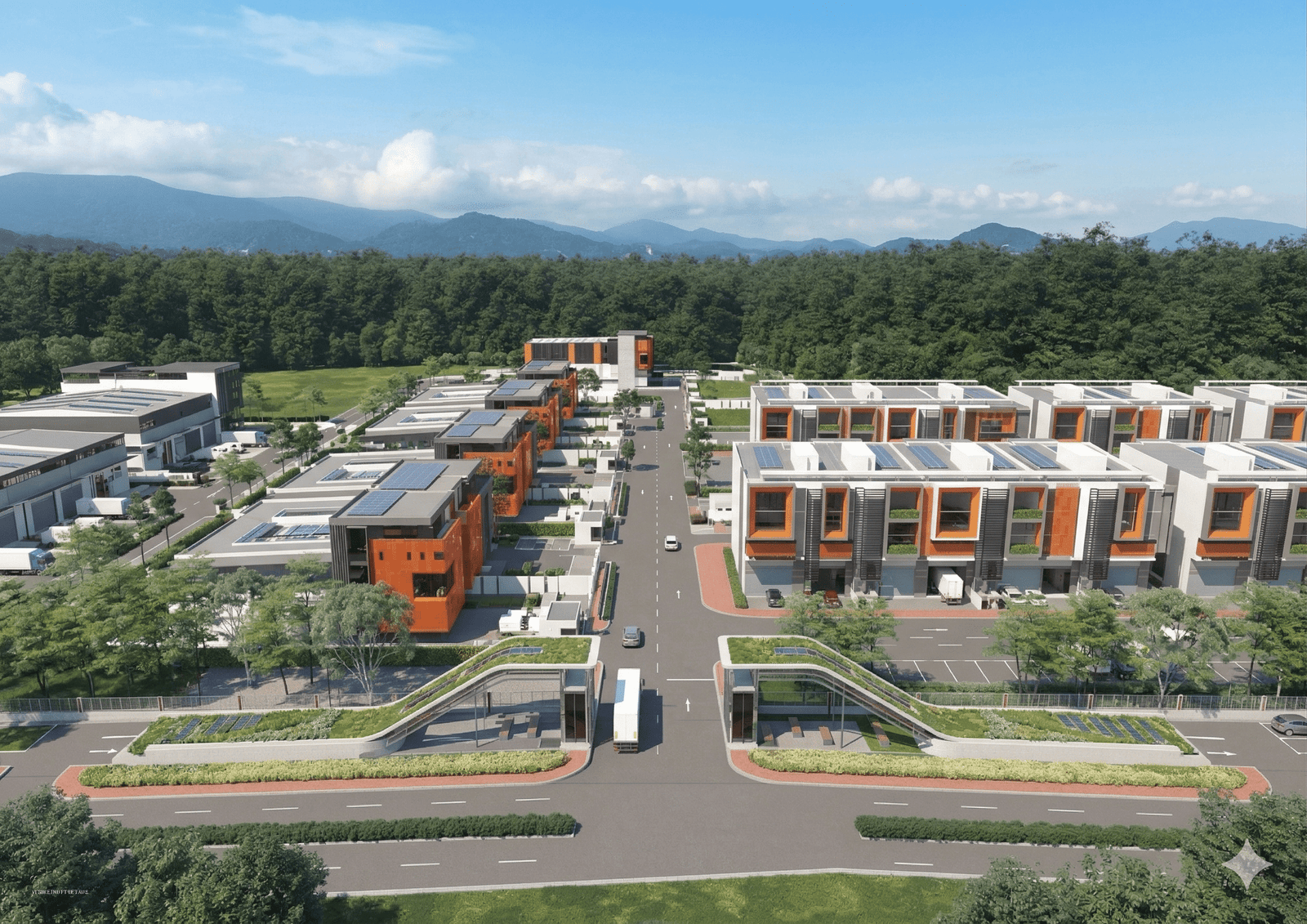
Pengerang Industrial Hub, Johor — Momentum: Accelerating
PIH stands as the clearest high-momentum signal in the market today, solidifying its position within the conversation of the Malaysia Top 5 Industry Hub destinations for 2026. The timing is precise: with industrial phase construction scheduled to commence in October 2026, the window for optimal unit selection is currently open but narrowing rapidly.
Unlike legacy hubs where growth has plateaued, PIH is seeing all three momentum factors activate simultaneously:
- Policy Activation: Its strategic JS-SEZ designation ensures a live incentive framework through 2034. The IMFC-J one-stop approval mechanism serves as a critical friction-reducer, allowing new entrants to bypass traditional bureaucratic bottlenecks.
- Infrastructure Pipeline: Unlike speculative projects, PIH offers ready-built units specifically engineered for heavy industrial utility. With high floor loading capacities, tall clearances for crane operations, and 30-metre internal roads, the infrastructure is entering the market exactly as downstream demand builds—not after it has peaked.
- Ecosystem Density: Proximity is the ultimate validator. Situated just 4km from PETRONAS RAPID, the industrial demand here is structural rather than speculative. As downstream oil and gas operators seek proximate service and processing partners within the Pengerang Integrated Petroleum Complex (PIPC), the ecosystem is activating in real-time.
This rare convergence—policy clarity, arriving infrastructure, and a surging ecosystem—characterizes the early, high-yield phase of a premier industrial cluster.
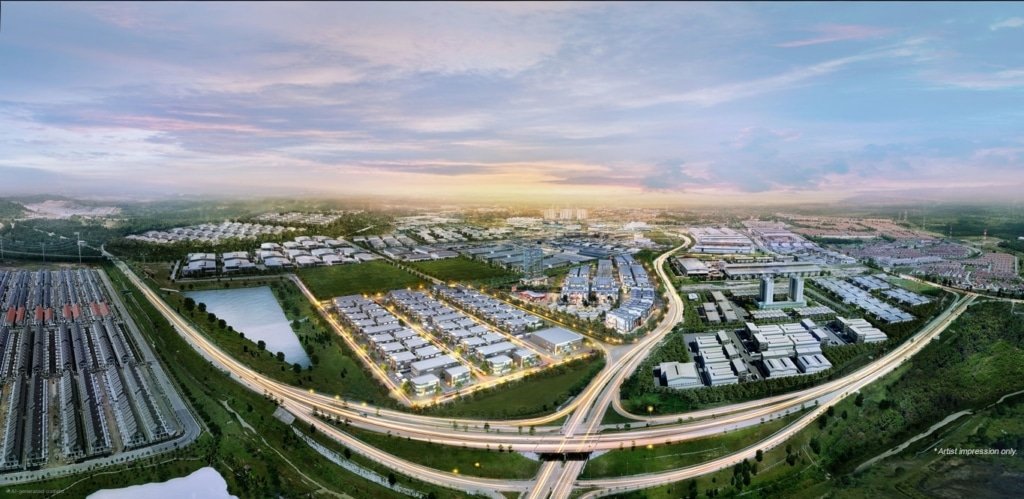
Iskandar Malaysia, Johor — Momentum: Steady
Iskandar’s momentum is real but mature. The corridor’s 2,200 square kilometres of diversified industrial and commercial zones represent established value rather than emerging opportunity. Spanning flagship zones including Nusajaya and Pasir Gudang, it remains one of Malaysia’s most reliable industrial addresses — well-connected to Singapore, supported by developed highway and port infrastructure, and home to established tenant networks across manufacturing, logistics, and corporate services. For operators seeking proven infrastructure, momentum here is consistent. It is simply no longer accelerating at the rate that makes early entry disproportionately rewarding.
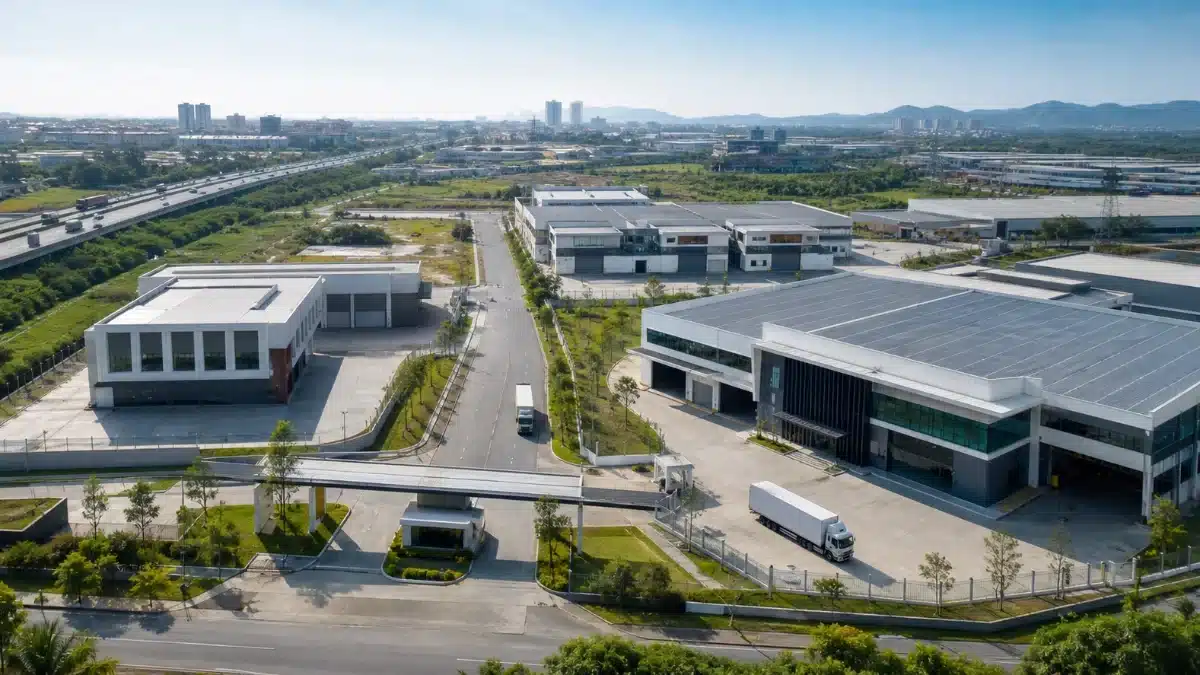
Klang Valley Industrial Corridor, Selangor — Momentum: Plateauing
Malaysia’s most mature industrial market is showing the characteristic signs of a corridor under land cost pressure. Anchored by Shah Alam, Subang, and the Port Klang hinterland, the corridor delivers unmatched domestic market access and proximity to Kuala Lumpur’s talent base. Demand from domestic-facing manufacturers in consumer goods, FMCG, and electronics remains steady. However, rising industrial space costs are compressing the margin advantage that once made the Klang Valley a straightforward first choice for new entrants. Momentum here reflects a market that has largely matured into its pricing.
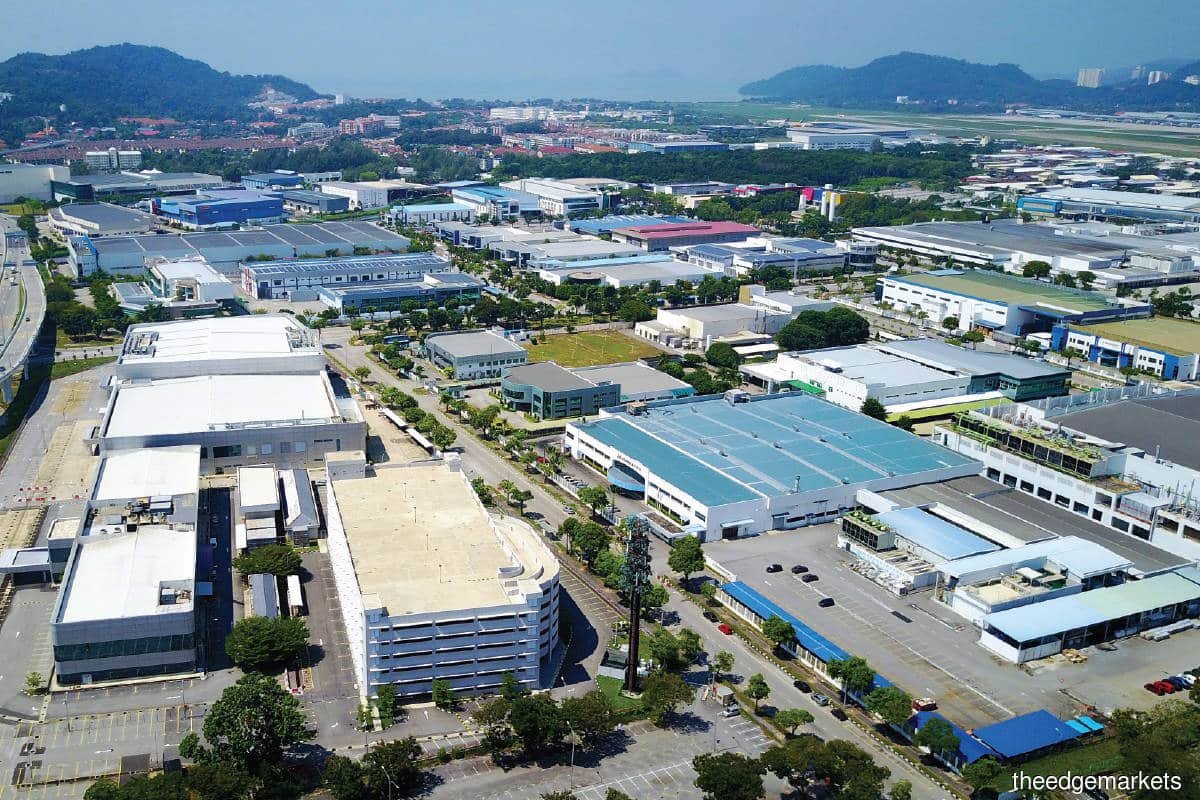
Penang — Momentum: Sector-Dependent
Penang’s industrial trajectory is currently tied to the global semiconductor cycle. The corridor’s deep electronics and semiconductor ecosystem — anchored by a cluster of global MNCs and supported by the expanding Batu Kawan Industrial Park on the mainland — delivers genuine supply chain integration for technology manufacturers. When semicon capital expenditure expands, Penang accelerates with it. When the cycle moderates, so does momentum. Strong structural fundamentals, but trajectory is externally driven rather than policy-generated from within the corridor itself.
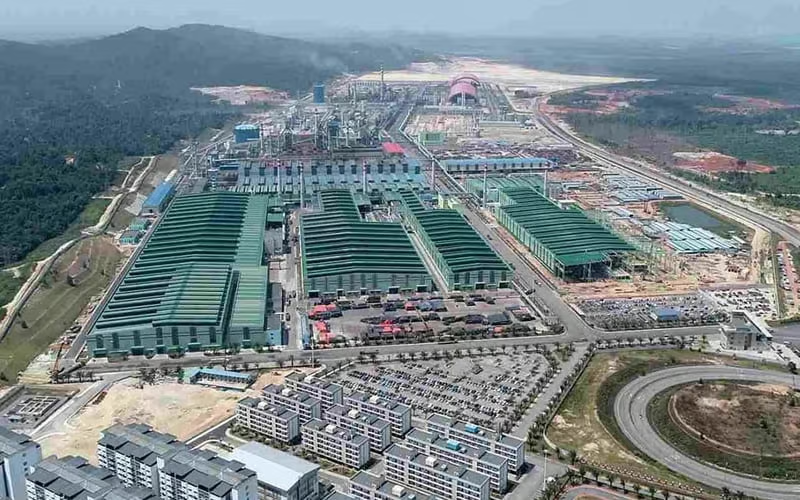
Gebeng Industrial Estate, Pahang — Momentum: Stable
Gebeng’s legacy petrochemical cluster delivers consistent output and limited incremental momentum. Infrastructure is mature, the tenant base is established, and the East Coast shipping access to South China Sea routes remains a genuine operational asset for Northeast Asia-oriented exporters. The policy activation, incoming infrastructure, and ecosystem formation signals that are simultaneously present at Pengerang are not active at Gebeng in the same concentrated way. A reliable choice for operators prioritising stability over growth-curve positioning.
| Hub | Momentum Status | Key Momentum Driver | Entry Timing |
|---|---|---|---|
| Pengerang Industrial Hub | ⚡ Accelerating | JS-SEZ activation + RAPID ecosystem + Oct 2026 construction | Now — window open |
| Iskandar Malaysia | → Steady | Mature diversified corridor, Singapore proximity | Reliable, less time-sensitive |
| Klang Valley Corridor | ↘ Plateauing | Domestic market demand; constrained by land cost pressure | Mature — limited uplift |
| Penang | ~ Sector-Dependent | Semicon/electronics cycle; MNC supply chain integration | Cycle-timing sensitive |
| Gebeng, Pahang | = Stable | Legacy petrochemical cluster; East Coast shipping access | Established — low urgency |
The industrial hubs that appear in retrospective “best of” lists rarely looked like obvious leaders at the moment capital entry was most advantageous. They looked like credible emerging options with strong structural foundations and an open policy window—exactly the description that applies to Pengerang Industrial Hub as its October 2026 construction commencement approaches.
Momentum, by definition, is most valuable before it becomes consensus. In the landscape of the Malaysia Top 5 Industry Hub candidates this year, the signal is clear: those who move while the policy windows are open and the infrastructure is arriving are the ones who capture the most significant growth curve.
🤔 Malaysia Industrial Hub 2026 — Frequently Asked Questions
Straight answers for investors and operators evaluating Malaysia’s industrial corridors