
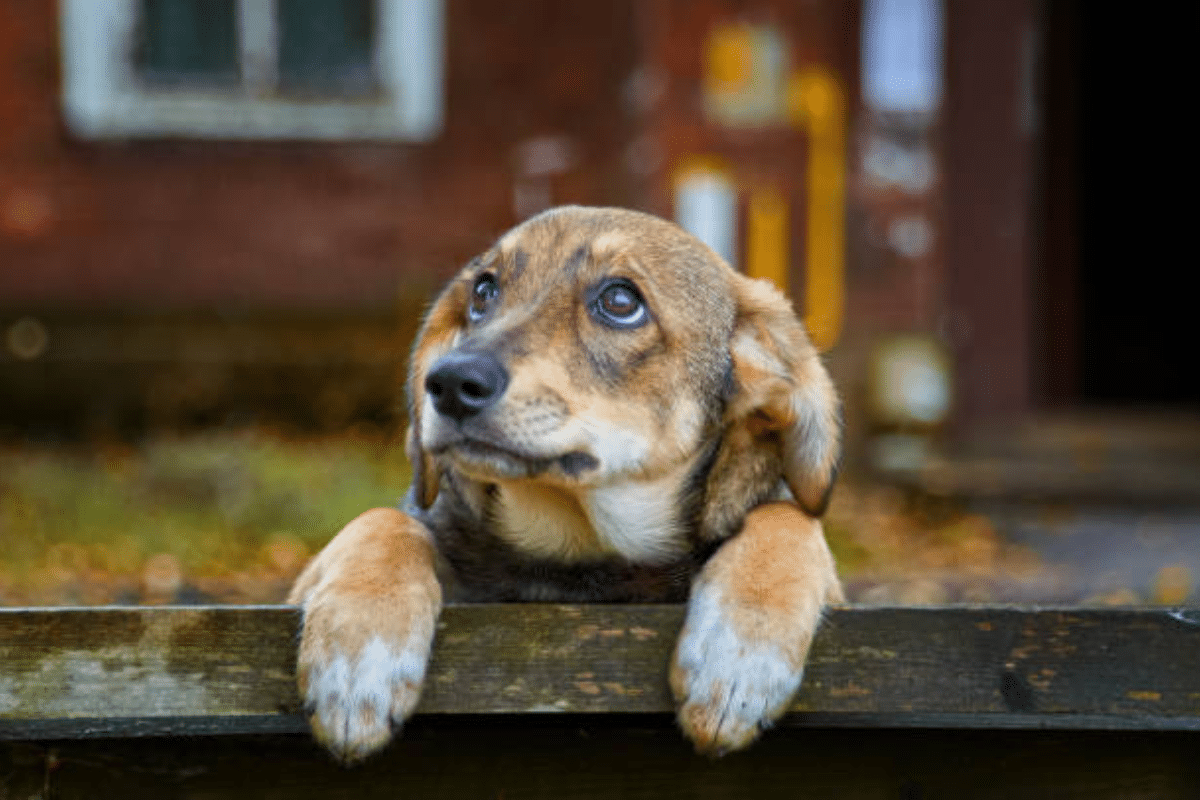
Living in Malaysia, it’s hard not to come across stray dogs. In the morning, you might spot a small white dog curled up behind a kopitiam, ears alert to watch passing customers. At night, a few black or mottled dogs rummage through trash bags near the taman guard house, sniffing each other before scattering. On weekends at the pasar malam, children run around, and the dogs carefully dodge the crowd. Many people soften at the sight, maybe secretly toss a small piece of bread, and then continue their day.Sometimes, scrolling through Facebook, you see photos posted by a Malaysia animal charity showing rescued dogs, with comments like “Keep it up!” or “Thank you!” It seems like someone is taking care of things, but in reality, those photos are only a small glimpse. Behind them lies a lot of quiet, daily work keeping the rescue system going.
Observation and Assessment Before Rescue
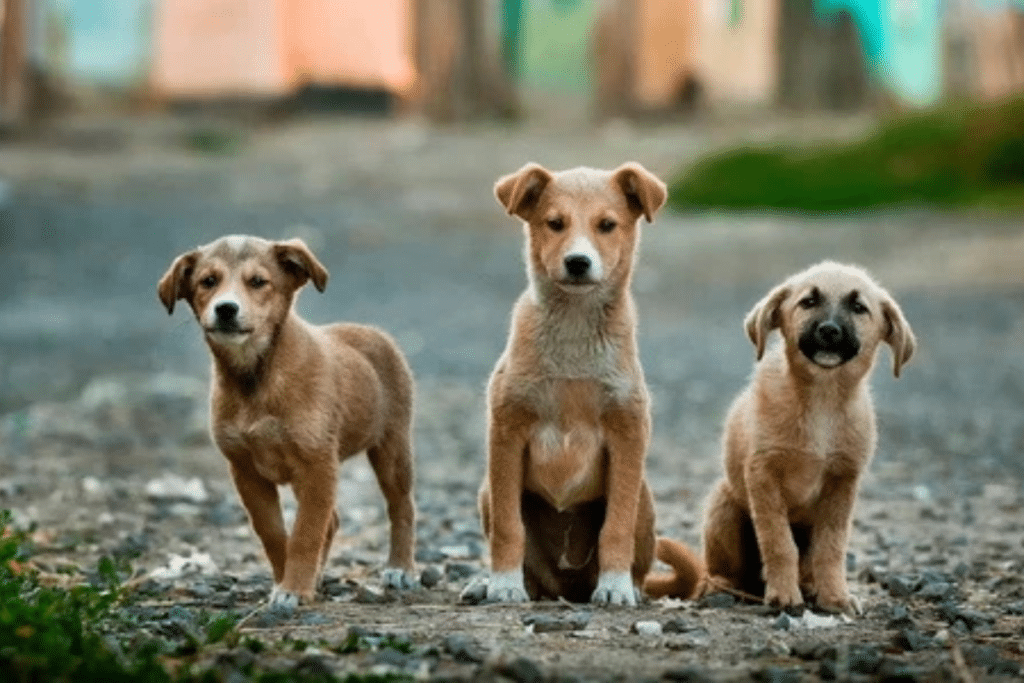
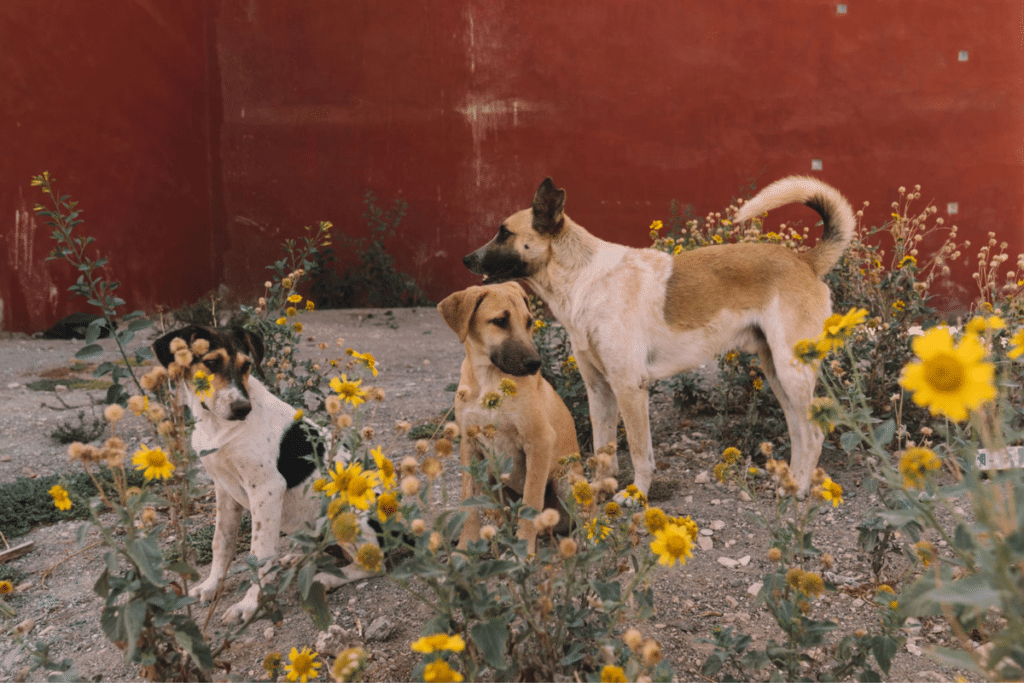
The real work happens before and after the photos are taken. When a report comes in, the team first assesses the situation: Is this dog lost? Abandoned? Or has it been living in the community for years? Does it get along with nearby residents?
Some dogs already have a regular aunty or uncle feeding them. They are non-aggressive and comfortable in their environment. If taken away abruptly, it might cause disputes with neighbors. Volunteers often observe the dogs at different times, tracking their routes and food sources, even figuring out which alley is their “safe zone.” In short, rescue isn’t impulsive—it’s a balance between protecting the animals and respecting the community.
Health Checks and Emergency Funds
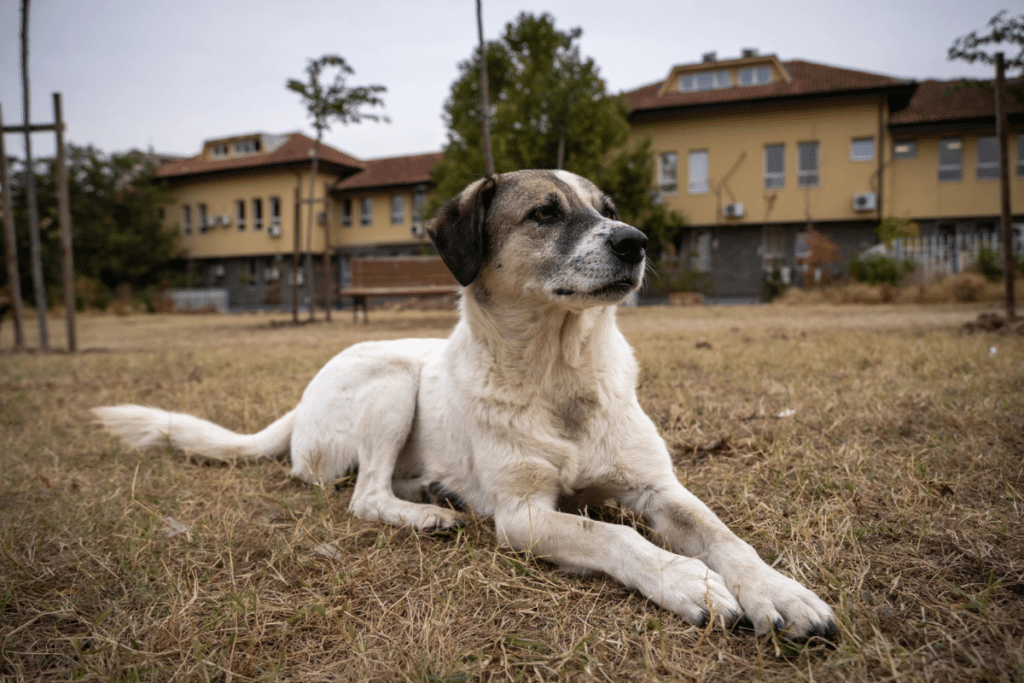
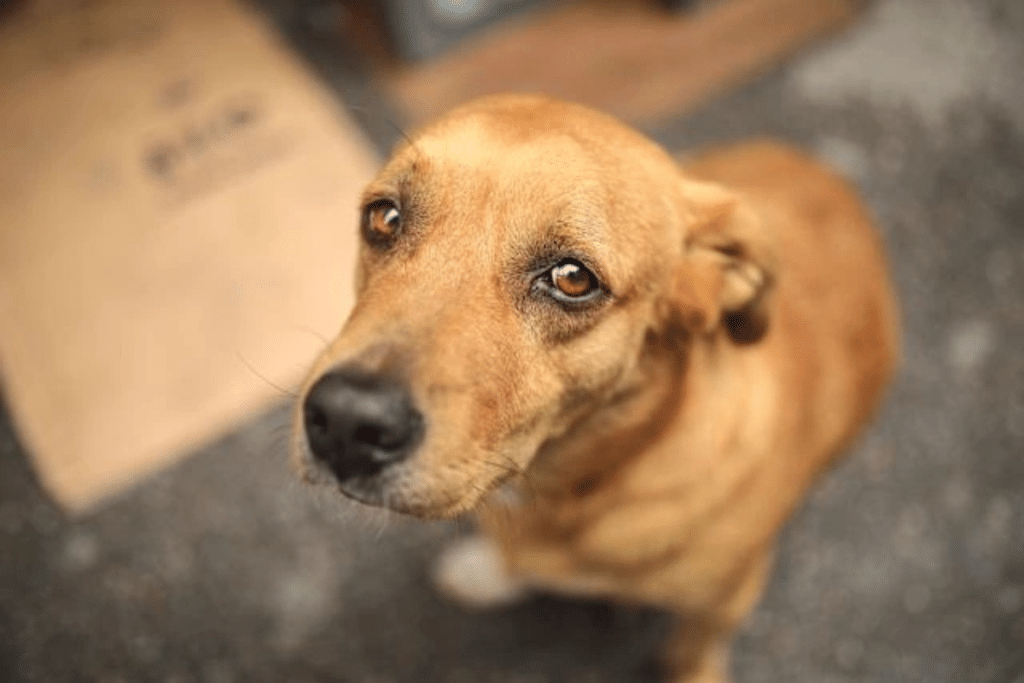
When a dog does need to be taken in, the process is just beginning. The first step is usually a health check: vaccinations, blood tests, deworming, and skin inspections, sometimes even X-rays. Imagine a dog lightly hit by a car—volunteers first need to calm it down before examining it carefully. Medical costs are never just tens of ringgit; they often start from hundreds.
That’s why many Malaysia animal charity teams have emergency medical funds. One car accident dog’s surgery could cost as much as a month’s supply of dog food. Behind every rescue, the team quietly calculates resources and looks for volunteers willing to help.
Food, Spaying/Neutering, and Long-Term Care
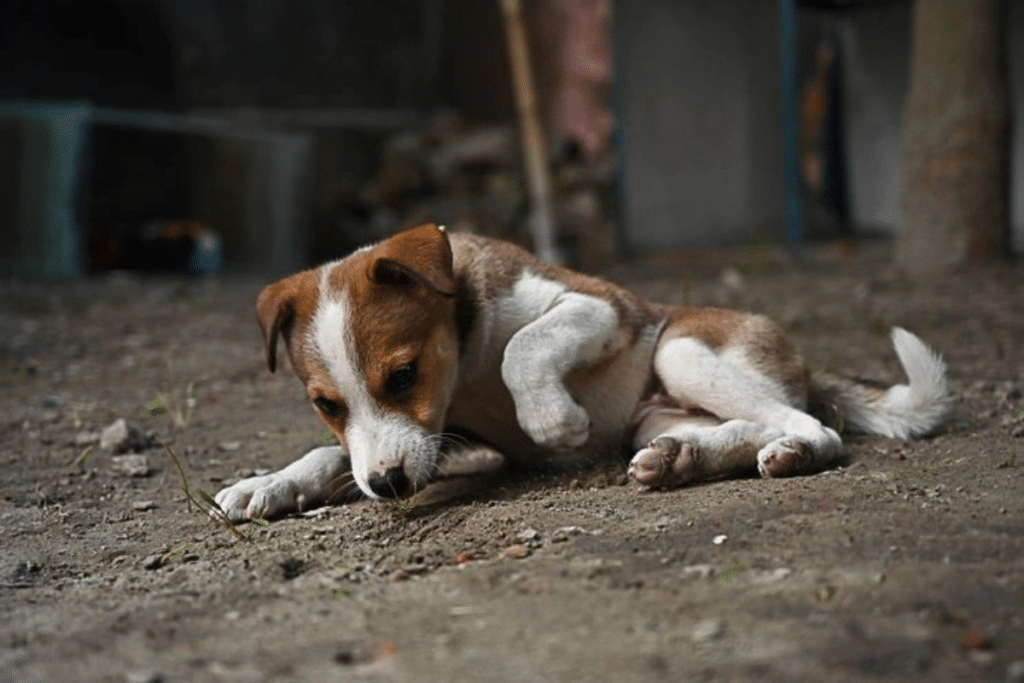
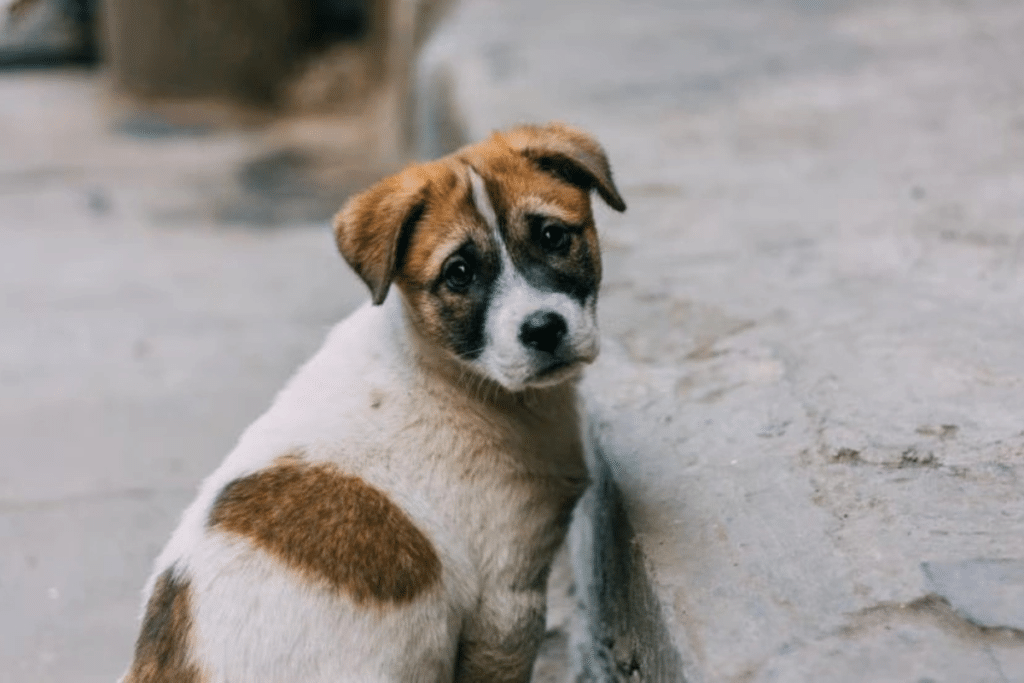
Many people think donating food is simple, but it’s a daily commitment. A shelter with twenty dogs needs two meals a day, and a bag of dog food can be gone in just a few days. Picture volunteers early in the morning, carrying heavy bags and distributing food to each kennel, each dog wagging its tail in anticipation.
Spaying and neutering is crucial for controlling stray dog populations. TNR (Trap, Neuter, Release) may seem plain, but over a few years, it stabilizes the number of street dogs and eases long-term problems. Sometimes the team has to wait until all dogs on a street are trapped before arranging surgeries. Volunteers use small treats to guide them into cages, moving slowly so the dogs aren’t scared.
Volunteers and Community Cooperation
Beyond money, manpower is the bigger challenge. There aren’t many community stray animal volunteers. Cleaning cages, taking dogs to the vet, arranging adoption meetings—it all takes a lot of time. Imagine weekend mornings, volunteers riding motorcycles or driving across different tamans, calming dogs at each stop.
Teams like Xin Guang Pet rely on a few core members and strong teamwork. There’s no fancy office or marketing team. Space and manpower are limited, so community cooperation is key. Fixed feeding spots and residents sharing responsibility reduce conflicts, making rescue work sustainable. Volunteers’ interactions with residents become part of everyday communication—not just animal care, but also maintaining community harmony.