Inside the Halal Certification Process: What Malaysian Businesses Often Discover Along the Way
Walking into a local café in Petaling Jaya or a food processing plant in Johor Bahru, the JAKIM Halal logo is often the first thing consumers look for. But for the business owner standing behind the counter, that small green logo represents a mountain of paperwork, kitchen adjustments, and a steep learning curve. In Malaysia, the Halal Certification Process is often whispered about in business circles like a daunting rite of passage.
Some say it’s too expensive, others say the documentation is a nightmare. But if you talk to those who have actually gone through it, the narrative is less about “policing” and more about “systematizing.” It is a journey that forces a business to look at its supply chain with a magnifying glass, ensuring everything from the raw ingredients in the warehouse to the detergent used on the floors meets specific standards.
The Paperwork Maze and the Importance of Traceability
The first thing most SMEs realize is that you cannot just “wing it.” The halal certification requirements are strict for a reason. Before you even log into the MyeHalal system, your house must be in order. This means every single ingredient used in your product must have a valid Halal certificate recognized by JAKIM.
Many local entrepreneurs face a common hiccup during the halal documentation malaysia phase: the missing link. You might get your chicken from a Halal source, but what about the seasoning? What about the glazing agent on the packaging? The process demands total transparency. For a small manufacturing setup, this often requires hiring a dedicated Halal Officer or consultant to ensure the halal certification checklist is ticked off before the official submission. It’s about creating a paper trail that never breaks, ensuring that what the consumer eats is exactly what the certificate promises.
It’s More Than Just the Application Fee

When people ask about the halal certification cost malaysia, they often only look at the government fees, which are actually quite reasonable and categorized based on the size of the industry (Small, Medium, or Multinational). However, the real “cost” lies in the preparation.
To achieve halal compliance malaysia, many businesses find they need to renovate. Maybe the floor drainage isn’t up to code, or the storage area needs a partition to prevent cross-contamination. Then there are the laboratory tests. In some cases, JAKIM might require DNA testing for certain high-risk ingredients to ensure there is no porcine contamination. For a halal sme malaysia, these overheads add up. However, the general consensus among industry players is that this is a one-time structural investment. Once the system is built, the halal renewal process becomes much smoother.
Surviving the Halal Certification Process Audit
If there is one part of the journey that gives owners sleepless nights, it’s the audit. The halal audit process involves officers from JAKIM (or the respective State Islamic Department) visiting your premises unannounced or by appointment. They aren’t just looking at your food; they are looking at your trash, your staff’s hygiene habits, and even the way you store your cleaning chemicals.
“They checked everything, even the back of the freezer where we keep the staff’s personal lunch,” one bakery owner in Penang shared. This is where the halal manufacturing malaysia standards truly come into play. It’s about culture. You can’t just be “Halal” on the day of the audit; your staff must understand why they can’t bring non-halal food into the production area every single day.
Halal Certification Process: Why Patience is a Virtue
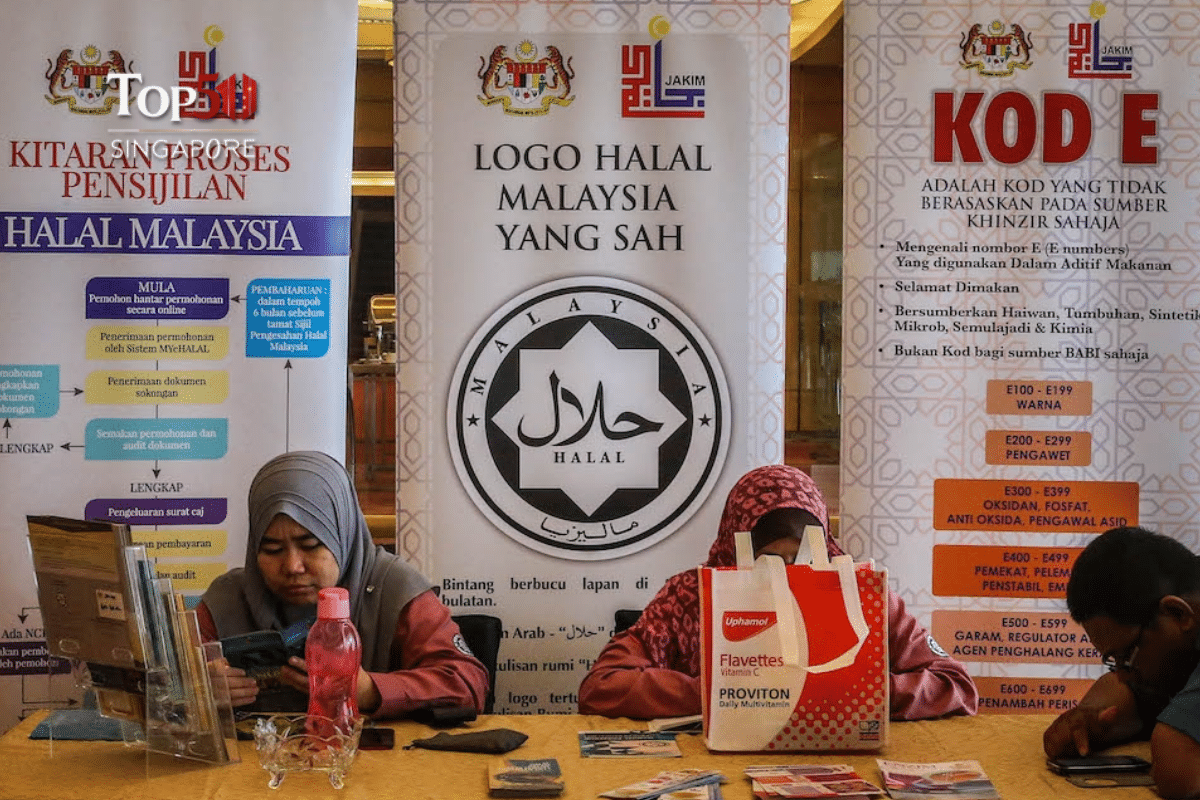
One of the most frequent questions is: “How long does it take?” The halal certification timeline is not overnight. From the moment you submit your halal business registration to the day you hold the certificate, it can take anywhere from three to six months, or even longer if your documentation is incomplete.
The jakim halal process involves several stages: application, document review, site audit, committee approval, and finally, the issuance of the certificate. If the auditors find a “Non-Conformance” (NCR) during the visit, you’ll be given a timeframe to fix it. This is why having a solid halal certification guide or an internal expert is crucial. Speeding through it usually leads to mistakes, and mistakes lead to delays.
The Bigger Picture: Export and Beyond
Why go through all this trouble? For many, it’s about the halal export certification. Malaysia’s Halal logo is one of the most recognized and trusted in the world. If you want to sell your sambal or frozen dim sum to markets in the Middle East, Indonesia, or even Europe, having that JAKIM stamp is your golden ticket. It’s an international benchmark for quality and cleanliness.
Ultimately, the halal business approval isn’t just a religious requirement; it’s a business strategy. It opens doors to a global market worth trillions. While the halal food certification journey is rigorous, it forces local businesses to level up their professionalism, hygiene, and supply chain management. It’s a tough road, but for those who want to grow beyond their neighborhood, it’s a road worth taking.
References
- JAKIM Official Halal Portal: https://www.halal.gov.my – The primary source for the Manual Procedure for Malaysia Halal Certification.
- Halal Development Corporation (HDC): https://www.hdcglobal.com – Provides insights into Halal standards and market growth in Malaysia.
- Matrade Halal Industry Profile: https://www.matrade.gov.my – Details on Halal export opportunities for Malaysian companies.
💬 Frequently Asked Questions (FAQ)
Clarifying common queries about the Halal certification journey in Malaysia.