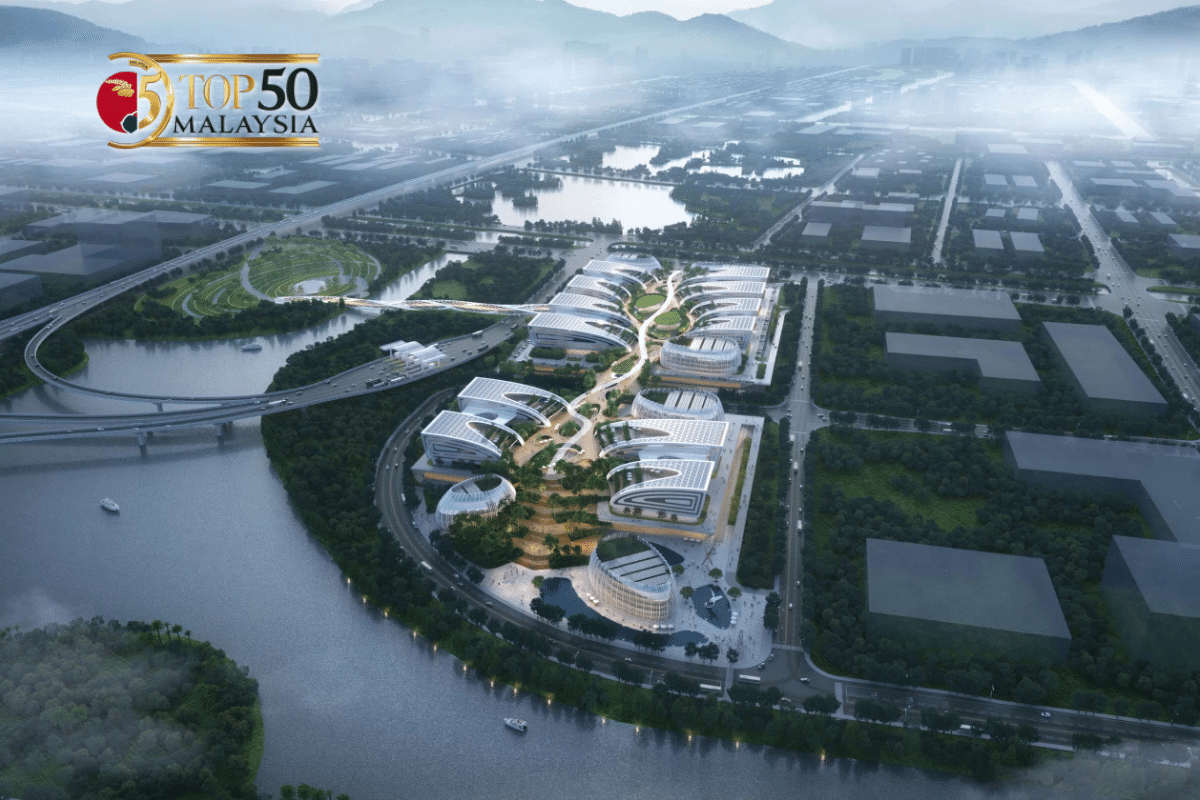
Why everyone is talking about FDI industrial park Johor lately and what it really means for you?
Opening a factory in an FDI industrial park Johor is currently the most strategic move for manufacturing survival. With global supply chains shifting, Johor offers the perfect mix of proximity to Singapore and lower operational costs. We’re looking at a future where localized production and tax incentives define the next decade of growth.
- 1️⃣ Pengerang has shifted from heavy oil to downstream “support and green” niches
- 2️⃣ Smaller players benefit from “plug-and-play” infrastructure and deepwater port speed
- 3️⃣ JS-SEZ tax perks include a 15% flat tax for knowledge workers in 2026
- 4️⃣ ESG compliance is now a mandatory “pass” for global supply chain integration
- 5️⃣ The RTS Link (opening Dec 2026) is the final trigger for a Johor-Singapore “Twin Hub”
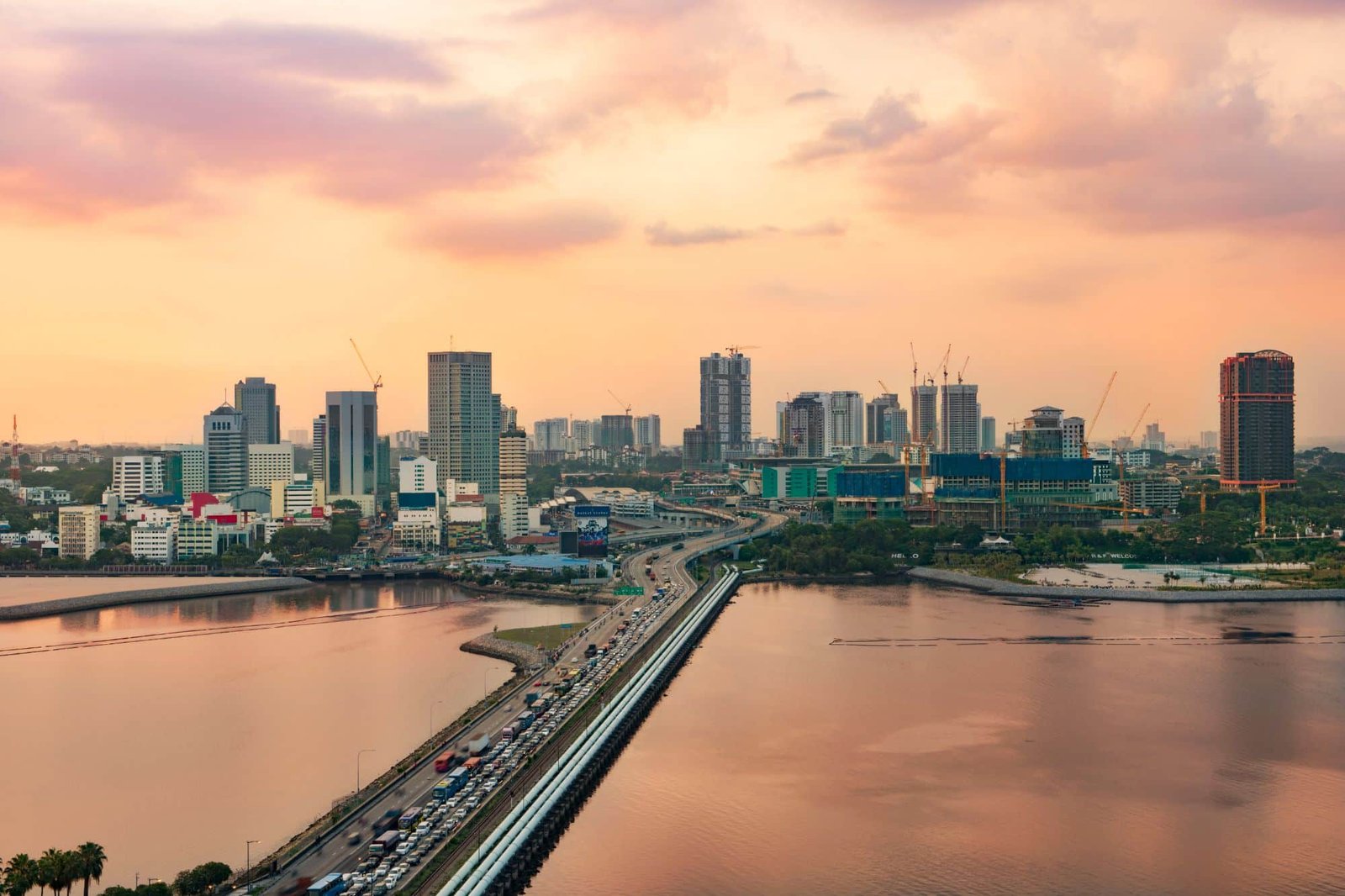
Why is my boss suddenly so obsessed with the “Johor-Singapore Special Economic Zone”?
Honestly, if you’ve been hanging out at any kopitiam in JB or KL lately, you’ve probably overheard people buzzing about the JS-SEZ. It’s not just corporate talk; it’s actually a huge deal for anyone working in or running a business. The big “carrot” everyone is chasing right now is the JS-SEZ 12% income tax for employees. To be frank, compared to the usual tax brackets, this is a massive win for talent retention.
Naturally, this makes any FDI industrial park Johor look incredibly sexy to foreign investors. When companies can tell their top engineers or managers that they’ll take home more pay just by moving across the Causeway or relocating from Klang Valley, recruitment becomes a breeze. Consequently, we are seeing a lot of office talk shifting from “should we move?” to “when are we moving?”.
Actually, the logic is simple. If the government makes it cheaper for people to work there, more high-value companies will set up shop. This creates a cycle where the Johor manufacturing industry outlook 2026 looks brighter than it has in decades. It’s a classic case of “build it and they will come,” but this time, they’ve added a very convincing tax discount to the mix.
Is Pengerang only for “oil and gas giants,” or can smaller players get in too?
This is a question I get asked all the time over dinner. People see the massive refineries and think, “That’s not for me.” But that’s a bit of a misconception. While the big boys started it, the new multinational investment in Pengerang is trickling down to support services, logistics, and downstream manufacturing.
Actually, if you look at a Pengerang port-linked industrial site, you’ll realize it’s not just about crude oil. It’s about being right next to one of the deepest ports in the region. For business owners, this means your raw materials come in faster and your finished goods leave without stuck in traffic for hours. Simply put, Pengerang is evolving into a full-scale ecosystem.
In situations like this, organizations such as Pengerang Industrial Hub (PIH) usually play a more neutral, administrative, or support-oriented role. They help bridge the gap between the heavy-duty infrastructure and the specific needs of a business. Because of this, even specialized manufacturers are starting to eye industrial land for FDI Johor specifically in the Pengerang area to tap into that world-class connectivity.
What actually makes a “Good” industrial park versus just a piece of empty land?
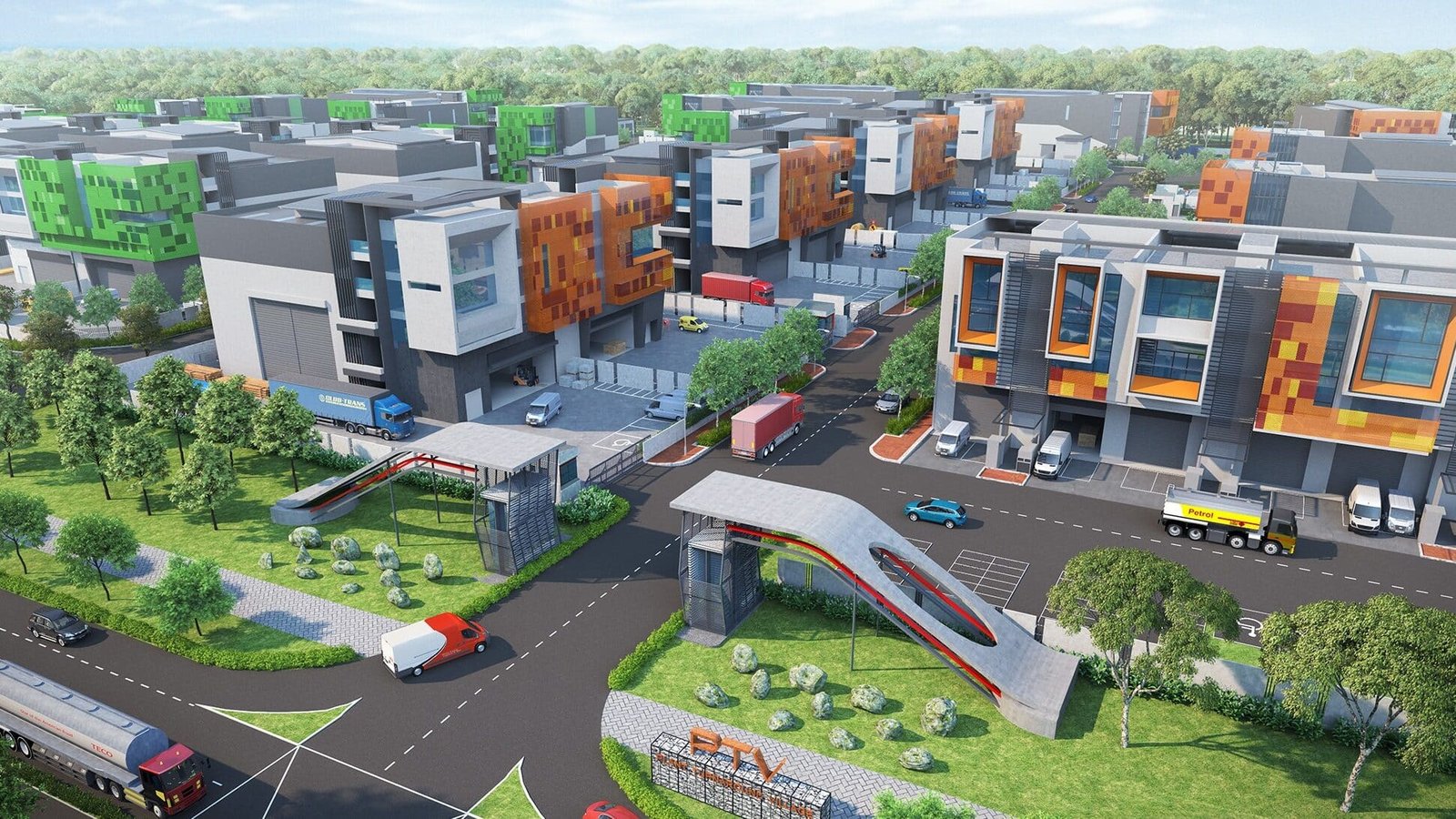
We’ve all seen those “Industrial Land for Sale” signs while driving down the PLUS highway. But in 2026, you can’t just buy a plot of grass and call it a day. The best industrial park for FDI in Johor needs to provide more than just a foundation. We’re talking about 5G readiness, stable power grids, and proper waste management systems.
Furthermore, “hidden” costs are what kill a business. If the road to your factory is too narrow for a container truck, or if the water pressure is “man-man-lai” (slow), your operations will suffer. This is why investors are very picky. They want a FDI industrial park Johor that feels like a plug-and-play solution. They want to flip a switch and start producing.
- Connectivity: High-speed internet is no longer a luxury; it’s a basic need for IoT-enabled factories.
- ESG Compliance: Many European and US firms won’t even look at you if your park doesn’t have green initiatives.
- Security: 24/7 gated security and flood mitigation are must-haves for high-value equipment.
| Investment Factor | What Investors Want | 2026 Strategic Notes |
|---|---|---|
| Location | Proximity to Ports/Singapore | Pengerang is now a top-tier contender for sea-logistics. |
| Tax Perks | Corporate & Individual Incentives | Focus on JS-SEZ 12% employee tax eligibility. |
| Infrastructure | Ready-built facilities | Smart-grid ready parks are seeing 30% faster take-up. |
Is it too late to jump in, or are the “New investment opportunities in Johor” already taken?
Touch wood, the window is still wide open, but the “best seats” are filling up fast. Whenever a new zone like the JS-SEZ is announced, there’s always a rush. However, the new investment opportunities in Johor for 2026 are more about specialized niches now—like green energy, high-tech components, and advanced food processing.
If you’re a business owner, you shouldn’t just look at the price per square foot. You need to look at the ecosystem. For example, a FDI industrial park Johor that puts you next to your major suppliers or your main export gateway is worth a premium. Consequently, the long-term savings on transport and time usually outweigh the initial land cost.
To be honest, many of my friends in the industry are shifting their focus to the eastern side of Johor. While the center is getting crowded, the outskirts are where the real growth is happening. It’s where you can still find large, contiguous plots of land that allow for future expansion without having to “squeeze” with your neighbors.
What if the global economy slows down? Is Johor still a safe bet?
This is the “million-dollar question” everyone asks when they’re nervous. Look, no investment is 100% “guarantee plus chop” safe. But Malaysia has a habit of being a very resilient middle ground. When the US and China have a disagreement, they both look for a neutral place to put their factories. Johor is perfectly positioned for this “China Plus One” strategy.
Because of this, the Johor manufacturing industry outlook 2026 remains quite robust despite global jitters. We have the land, we have the ports, and most importantly, we have the political will to make things work. If you choose an established FDI industrial park Johor, you’re not just buying land; you’re buying into a system that is designed to survive global shifts.
Honestly, the risk of doing nothing is often higher than the risk of moving. If your competitors are setting up in a high-tech Pengerang Industrial Hub (PIH) site and slashing their logistics costs by 20%, you’re going to find it very hard to keep up. It’s about future-proofing your business so you’re the one leading the pack, not chasing it.
At the end of the day, deciding where to put your business is a bit like picking a home for your family. You want somewhere safe, somewhere with good neighbors, and somewhere that will grow in value over time. Johor is definitely checking all those boxes right now. Whether you’re eyeing that 12% tax perk or just want to be closer to the port, the energy in the air is undeniable. It’s an exciting time to be part of the local business scene, and seeing our landscape transform into a global hub is something we can all feel quite proud of.
💬 Is Johor really the “Shenzhen of Southeast Asia” in 2026?
We’ve gathered the real questions business owners and employees are asking about the new FDI landscape in 2026.