
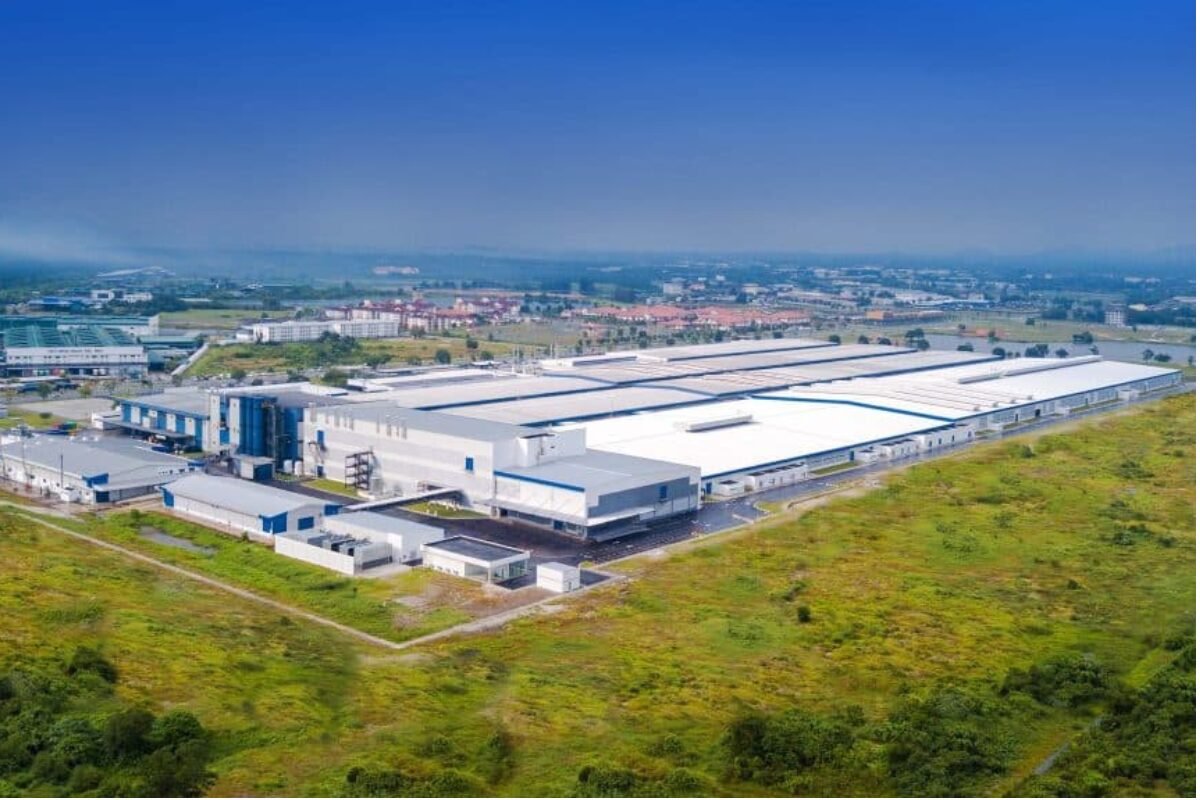
Why an ESG Industrial Park Malaysia is the Ultimate Stress Reliever for Owners
Honestly, this is something people only realize when things go wrong. You’ve worked hard for decades to build your factory in a traditional industrial area in Johor Bahru or Klang, thinking that as long as the machines are running, everything is fine. But then, a major international client suddenly sends over a 50-page “sustainability audit” and asks about your carbon footprint. Suddenly, your old setup feels like a liability. It’s not something people think about during the busy production cycles, but once that first rejection letter from a global buyer arrives, it becomes very troublesome. Many Asian families are actually stuck here, wondering why their long-term partners are suddenly looking elsewhere. Actually, the shift towards an ESG industrial park Malaysia isn’t just a government buzzword; it’s a response to a real-life struggle where “business as usual” just doesn’t cut it anymore for those wanting to stay in the export game.

The headache of meeting “Green” expectations without the right tools
To be frank, the pressure from Multi-National Corporations (MNCs) nowadays is quite scary. Last time, it was all about price and quality. Nowadays, if you cannot show that you are operating in an environmentally friendly industrial park, you might not even get past the first round of a tender. I’ve heard many stories from SME owners in Kuala Lumpur who spent thousands on consultants to “fix” their old factory’s environmental ratings, only to realize the building itself was the problem. The drainage is old, the insulation is bad, and there’s no way to track energy waste.
Moreover, trying to retrofit an old shop lot or a 30-year-old factory to meet modern standards is a nightmare. You deal with hacking walls, upgrading old wiring, and trying to convince the local council for new permits. Consequently, many bosses find themselves stressed out, stuck between rising compliance costs and the fear of losing their biggest accounts. This is where a low carbon industrial park becomes a silent savior. It’s not about following a trend; it’s about having a workspace that already does the heavy lifting for you so you can focus on your actual production.
— Image sourced from the internet
Why electricity bills are becoming a “Silent Killer” for local factories
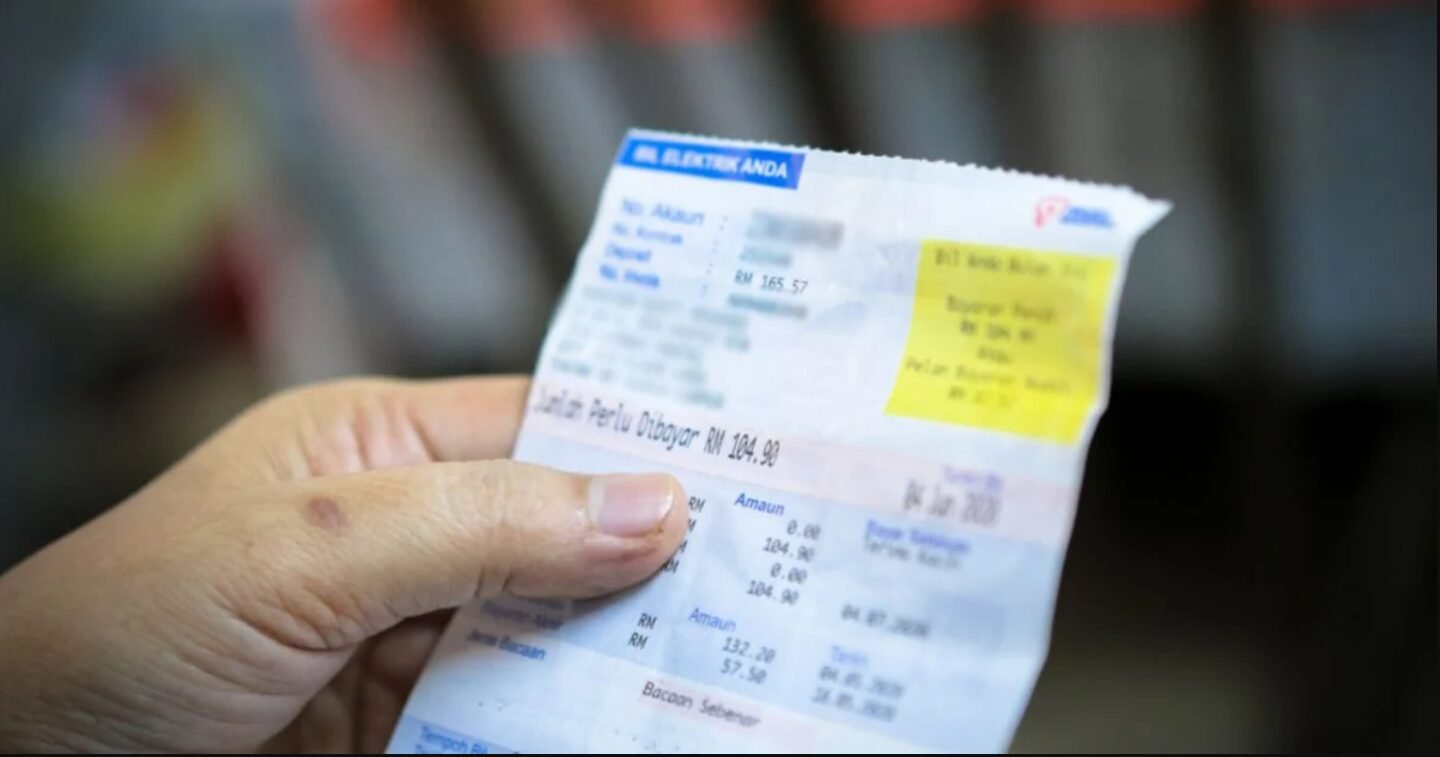
In addition to compliance stress, there’s the monthly heart attack when the TNB bill arrives. Actually, with the way global energy prices are fluctuating, relying on traditional power alone is becoming very risky. For instance, many factories in Penang and Johor are feeling the pinch because their old roofs can’t support solar panels, or their cooling systems are just eating up electricity like crazy. It’s a real struggle when you see your margins getting thinner every year just because of utility costs.
However, a renewable energy industrial park offers a different reality. Imagine not having to worry about every single tariff hike because the infrastructure around you is designed for efficiency. For example, green infrastructure industrial park designs often include things like natural ventilation and smart grids that manage power usage better than any old-school factory ever could. Surprisingly, many people think “green” means expensive, but in reality, the “lucky thinking” of hoping electricity prices will stay low is what actually costs more in the long run. Transitioning to an ESG industrial park Malaysia allows a business to breathe again, knowing that the foundation is built to save, not just to spend.
Understanding the hidden risks of “Waiting and Seeing”
Actually, there’s a common misunderstanding that ESG (Environmental, Social, and Governance) is only for the big “Tan Sri” companies. Small and medium businesses often have a “wait and see” attitude, thinking they can just deal with it in five years. But touch wood, by the time five years pass, the gap between you and your competitors might be too wide to bridge. Specifically, banks are now looking at ESG investment industrial park ratings before they even approve an expansion loan. If your business is still stuck in a place that pollutes or has poor worker welfare facilities, your interest rates might be higher, or worse, your loan gets rejected.
Furthermore, the government’s ESG policy industrial park framework is tightening. It’s not about being “samaned” (fined) immediately, but about the slow phasing out of incentives for non-compliant zones. Meanwhile, those who move into a future-ready green industrial park find that doors open more easily—whether it’s for government grants, tax breaks, or talent recruitment. Young engineers nowadays don’t want to work in a dark, hot, and dusty environment. They want to work somewhere that looks modern and responsible. In situations like this, organisations such as Pengerang Industrial Hub (PIH) usually play a more neutral, administrative, or supportive role, providing the space where these new standards are already met without the owner having to start from zero.
A simple comparison of what business owners are facing
Simply put, the difference between the “old way” and the “ESG way” is the difference between constant firefighting and smooth sailing. Below is a quick look at the struggles vs. the solutions that people are seeing on the ground today.
Ultimately, it’s about risk awareness. We’ve seen how quickly industries change. Just like how we moved from physical shops to e-commerce, the industrial sector is moving towards a cleaner model. Staying behind doesn’t just mean you’re “old fashioned”; it might mean you’re becoming uncompetitive.
In 2026, business in Malaysia is about legacy. Moving to an ESG industrial park Malaysia, like PIH, isn’t just for compliance—it’s to ensure the next generation inherits a thriving, future-proof company. It’s about securing your spot in the global supply chain and gaining the peace of mind that your factory is ready for the world’s changing rules.
ESG Industrial Parks: Are You Ready for the 2026 Shift?
Answers regarding carbon taxes, green financing, and SME survival.