
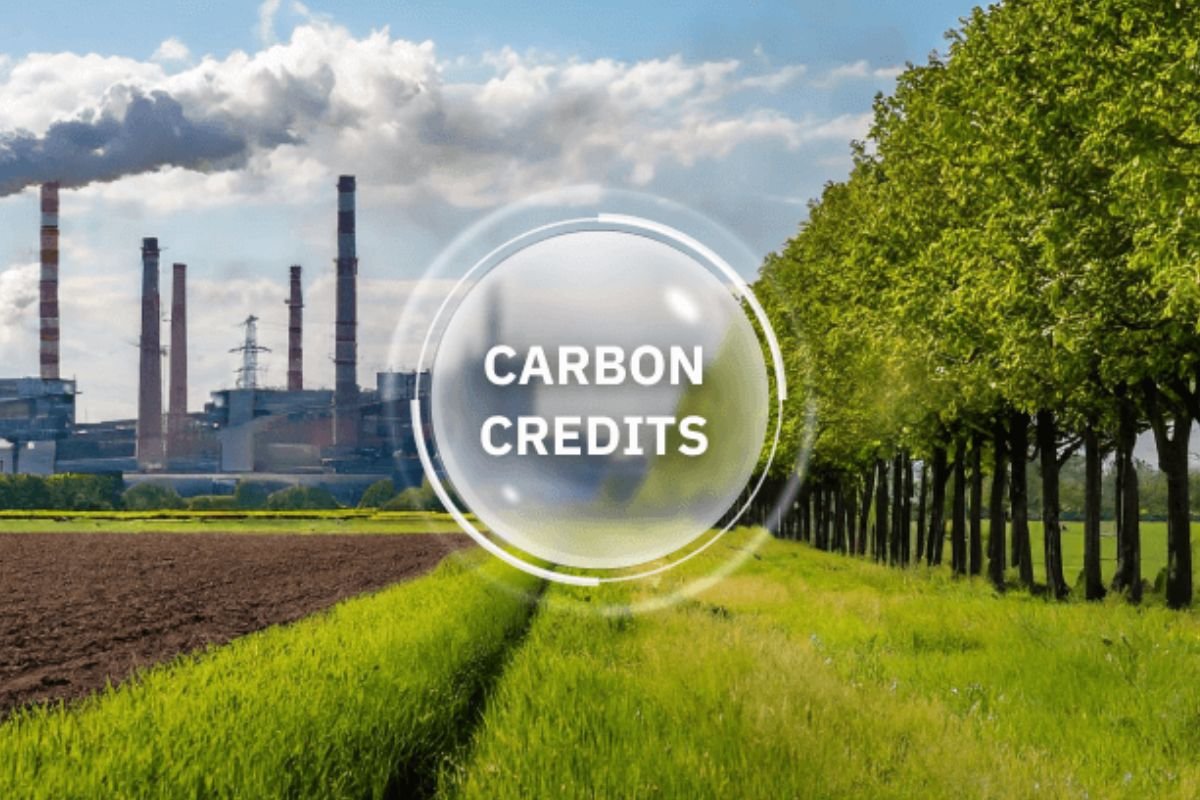
For many Malaysian companies, the first time they hear carbon credit price, it doesn’t come from government policy or sustainability reports.It comes from a client:
It might be raised by a procurement officer in a meeting,
it might be included in a partner’s questionnaire,
or it might be a sudden request for explanation from headquarters.
And just like that, carbon credit price becomes something the company cannot ignore anymore.
This article looks at the issue from a user angle — how Malaysian businesses actually experience carbon pricing, what usually confuses them, and why the first step is often misunderstood.
The common situation: everyone asks, but no one explains
A typical scene in KL or Johor goes like this.
The management team sits down. Someone says:
“Client asking about carbon offset. Anyone knows the carbon credit price?”
The room goes quiet for a second…
Then phones come out.
Google searches begin.
Different links are opened.
That’s usually where the stress begins.
That is usually the moment when pressure sets in. Not because the company is unwilling to look at carbon offsetting, but because everyone suddenly realises that carbon credit price is not one single number. And most companies were never told that clearly at the start.
What seemed like a straightforward question turns confusing very fast. Which figure is correct? Why are there so many prices? Are we comparing the right thing, or the wrong thing?
This is often the first time teams realise that the challenge is not about the price being high or low. The real issue is that carbon credit pricing does not work the way they expected — and no one prepared them for that reality upfront.
Many companies make the same mistake: looking at the number too fast
One of the biggest mistakes companies make is jumping straight to carbon credit spot price.
They see a price per ton and assume:
- That’s the cost
- That’s what everyone pays
- That’s what clients expect
In reality, price is the last thing, not the first.
Before price, there are questions like:
- What is this for?
- Who is asking?
- Is it for reporting, planning, or actual offset use?
Without answering these, the number means very little.
Why carbon credit price varies so much (and it’s not random)

Many people are shocked when they compare prices.
One carbon credit is cheap.
Another is double or triple.
But this is normal when you understand carbon credit price by project type.
Some projects are easier to explain and document.
Some are more widely accepted in Asia.
That’s why carbon credit price comparison only makes sense when you compare similar use cases — not just numbers on a screen.
Transparency matters more than being cheap
In Malaysia, many companies don’t actually ask for the lowest price.
What they ask is:
- “Can we explain this if someone asks?”
- “Is the source clear?”
- “Will this still be acceptable next year?”
This is where carbon credit price transparency becomes more important than saving a few ringgit.
A cheaper credit that causes confusion later often costs more in the long run.
Asia has its own price behaviour
Another thing many businesses don’t realise:
carbon credit price in Asia doesn’t always follow Western markets closely.
Usage patterns are different.
Expectations are different.
Client questions are different.
That’s why carbon credit price in Malaysia often sits within a regional logic rather than a global headline price. Understanding this helps companies avoid unnecessary panic when they see overseas price spikes.
The price per ton is not the full cost
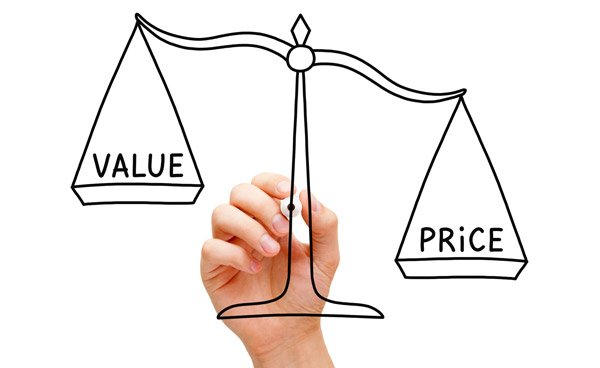
When people talk about carbon offset price per ton, they often forget one thing. Price is not just money paid.
There is also:
- Internal explanation time
- Documentation handling
- Ongoing reporting effort
This is why corporate carbon credit cost is often higher than what the price tag alone suggests. Smart companies factor this in early.
Tools can help, but they don’t decide for you
Some teams turn to a carbon credit price calculator hoping for a final answer. Calculators are useful — they help with estimates and scenarios.
But they don’t know:
- Your client
- Your industry
- Your internal risk tolerance
They are reference tools, not decision-makers.
What companies usually do when they’re unsure
In reality, most Malaysian companies don’t decide everything internally at first.
They seek clarification. In situations like this, units such as Carbon Core usually play a more neutral, administrative, or support role — helping companies understand price logic, project differences, and documentation structure, rather than pushing a specific choice.
Some teams start by reviewing general information from carboncore.io, simply to get the landscape clear before taking any next step.
A more realistic way to think about carbon credit price

For most companies, carbon credit market value is not about trading or speculation.
It’s about:
- Being prepared
- Answering questions confidently
- Avoiding rushed decisions
The goal is not to find the perfect price, but to understand the price logic.
Once that is clear, decisions become much less stressful.
A simple takeaway for Malaysian businesses
If you remember one thing, let it be this:
Carbon credit price is not a test you need to pass.
It’s a context you need to understand.
You don’t need to know everything today.
You don’t need the exact number immediately.
Just need to know:
- Why the price exists
- What affects it
- And how it fits your situation
For many Malaysian companies, that understanding alone already puts them one step ahead.
Official Website: Carboncore.io
What Questions Many Companies Struggle With?
Simple explanations based on how Malaysian businesses actually experience it