

Most flooring problems—warping, hollow sounds, raised edges, and lock damage—don’t come from the SPC or wood itself. They come from beneath. AirFlex Foam has become a standout solution because it addresses the hidden enemies every floor faces: moisture, pressure imbalance, uneven subfloors, and daily structural stress.
Unlike ordinary PE underlayments, AirFlex Foams is engineered with a scientific foundation: high-density closed-cell foam, advanced moisture protection, controlled compression, and multi-directional load distribution. These features work together to create a stable, long-lasting flooring system. With insights and real installation data from the QueensFloor team, AirFlex Foams proves why durability begins at the subfloor—not the surface.
Summary
AirFlex Foam and Its High-Density Closed-Cell Engineering
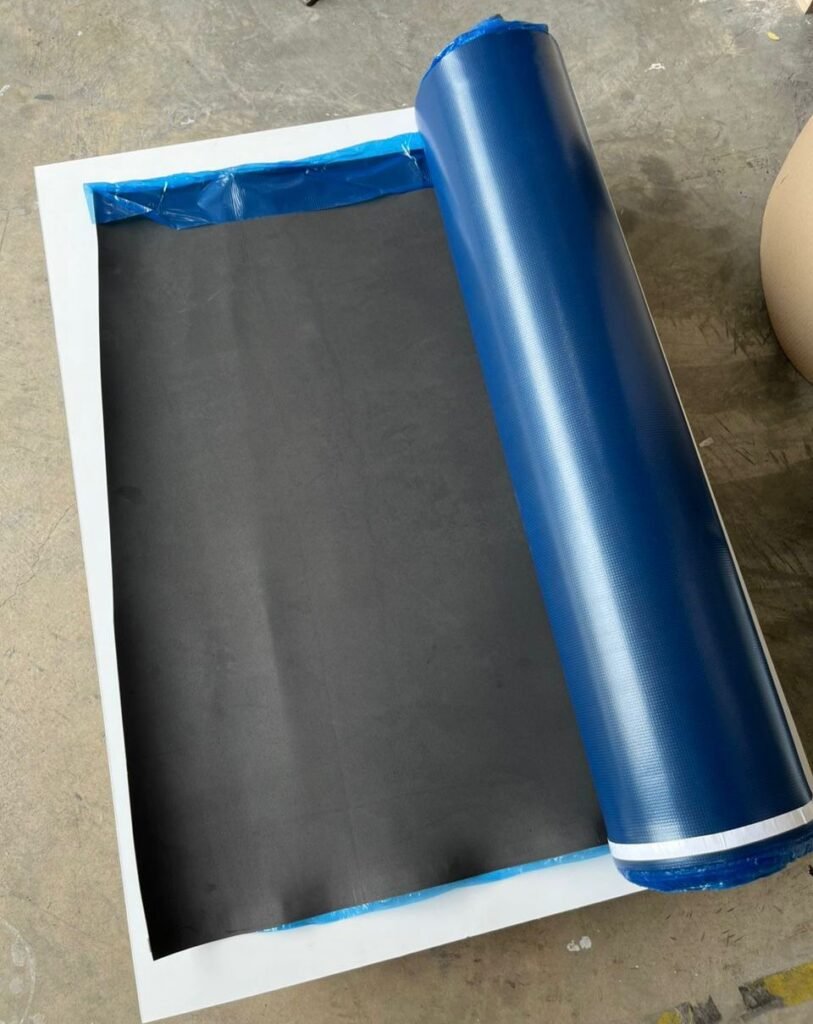
AirFlex Foams is built with a 110kg/m³ closed-cell structure—far denser than standard underlayments that commonly range between 20kg/m³ and 40kg/m³. Density directly influences stability. With a higher density, AirFlex Foams resists compression, retains thickness, and maintains a consistent support layer for the SPC flooring locks.
Closed-cell engineering also prevents moisture absorption and internal vapor accumulation. Every microcell is sealed, allowing AirFlex Foams to remain dry even when the concrete slab underneath gradually releases humidity—a common issue in Malaysia’s climate. This is why the 2026 flooring moisture-proof guide identifies closed-cell foam as the most reliable foundation for long-term durability.
Why AirFlex Foam Withstands Pressure Better
Flooring failure usually begins when the underlayment collapses. Once the foam compresses permanently, the floorboards shift unevenly, causing lock joints to bear excessive pressure. Over time, these joints crack, loosen, or generate hollow sounds.
AirFlex Foams solves this with a tested 180 KPA compression strength, offering structural resilience that:
• prevents localized pressure collapse
• keeps the floor level under heavy furniture
• supports daily foot traffic without deforming
• reduces stress on delicate SPC locking systems
QueensFloor installers report that floors with low-density underlayments typically fail within 12–24 months, while floors installed with AirFlex Foams maintain structural integrity even after several years.
The 0.04mm Moisture Barrier — A Critical Layer Many Homeowners Underestimate
Concrete slabs constantly release moisture, regardless of whether a home is new or old. Without a proper moisture barrier, water vapor rises into the flooring system, causing swelling, mold, and lock deformation.
AirFlex Foams incorporates a professionally bonded 0.04mm moisture barrier, nearly double or triple the thickness of ordinary budget underlayments. This barrier prevents:
• vapor diffusion into SPC or wood flooring
• mold growth at the underside of planks
• long-term swelling or cupping
• structural instability caused by humidity
This is why the question “Do you really need underlayment for flooring?” is answered with an absolute yes—especially for SPC and wood floors installed in humid climates.
AirFlex Foam Extends Flooring Lifespan Through Engineering, Not Guesswork
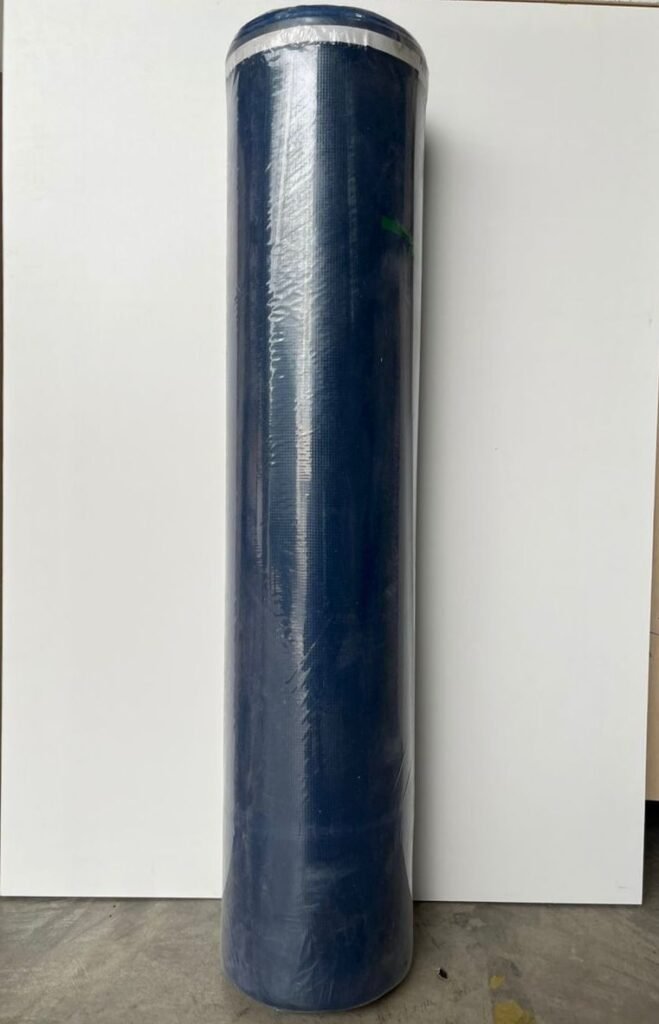
AirFlex Foam is not simply a “better underlayment”—it is an engineered flooring system enhancer. Its density, structural stability, moisture protection, and acoustic performance address all the issues that typically shorten flooring lifespan. From preventing moisture infiltration to maintaining lock stability, AirFlex Foam makes flooring safer, quieter, and significantly more durable.
Homeowners who want lasting flooring should consider AirFlex Foam not as an upgrade, but as a foundation. If you’re unsure whether your home needs it, the QueensFloor team can assess moisture levels and subfloor conditions to determine the ideal protection level for long-term performance.
Official website : QueensFloor :Flooring Specialist in Malaysia
Address :No.2, Jalan PJS 5/26, PJS 5 Bandar Sunway, 46150 Petaling Jaya, Selangor, Malaysia.
Contact :+6012-908 1329