
Why young creators are obsessed with AI game monetization and side hustles
If you are a student in KL or a fresh grad in Singapore, you have probably noticed that the old way of making money is changing. Gone are the days when you had to be a coding genius or have a massive budget to create something people actually want to play. Many young people in our region feel stuck because they have amazing ideas for stories or worlds, but they do not know how to turn those ideas into a bank account balance. This is where the shift toward AI game monetization becomes a real game-changer for our generation.
🔴 Quick Read
The struggle of traditional game making vs the AI era
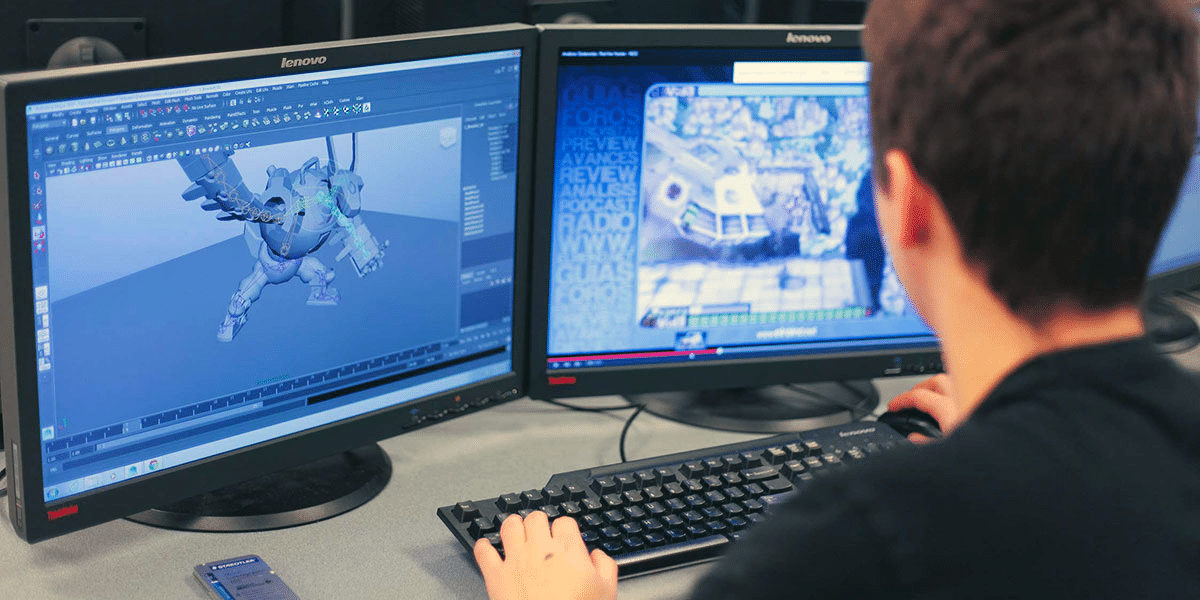
In the past, if you wanted to make a game, you had to learn C++ or Java and spend years in a dark room typing code. For most of us, that is just not realistic. We want to see our ideas come to life quickly. Modern AI game development has flipped the script. Now, you can use tools to handle the heavy lifting of AI game design, like building environments or coding basic physics. This shift is lowering the barrier to entry, allowing more people to look for AI game startup opportunities without needing a huge team of specialists.
The magic happens when you realize that AI game auto-generated content is no longer a dream. You can prompt an AI to create a world, and it builds the assets for you. This means the AI game market size is exploding because the speed of production has tripled. When you can build faster, you can test your ideas in the market faster. This is the first step toward understanding how to turn a fun project into something that pays the bills.
Cracking the code of AI game monetization in 2026
So, how do you actually make money? The core of AI game monetization today isn’t just about selling a copy of a game for ten dollars. It is about building an experience that keeps players coming back. We are seeing a massive trend in AI game interactive experiences where the game changes based on how the player behaves. This makes the game more personal and, more importantly, more valuable. When players feel a connection to the world, they are more likely to engage with in-game purchase monetization.
| Model Type | How it Works | Best For |
|---|---|---|
| Micro-transactions | Selling AI game character generation skins or items. | Social & Multiplayer games |
| Ad Revenue | Earning from views within the game flow. | Hyper-casual mobile games |
| AI Customization | Charging for personalized AI-generated content. | RPG & Story-based games |
The table above shows that there is no single “right” way to do it. Many creators are experimenting with AI game commercialization by mixing these models. For instance, you might offer a game for free but charge a small fee for unique AI game character generation options that make a player’s avatar stand out. This approach makes the game accessible while still providing a clear path to revenue.
Finding new ways to earn through AI game revenue models

When we talk about AI game revenue models, we are looking at how the entire industry is shifting its focus. Investors are looking for AI game investment opportunities in projects that use AI to reduce costs while increasing player engagement. If you are starting out, you don’t need a million dollars. You just need to understand the AI game industry trends. Currently, the trend is moving away from massive, static worlds toward dynamic, ever-changing environments.
This is where AI game ways to make money get interesting. Imagine a game where the obstacles are generated in real-time by an AI. You could charge for “energy” or “boosts” that help players navigate these unique challenges. Because the content is never the same, the player doesn’t get bored. This kind of AI game market opportunity is perfect for small creators who can’t afford to manually design 100 different levels.
Navigating the AI game platform ecosystem for success
Starting from scratch is intimidating. Most of us don’t have the servers or the technical backend to host a global hit. In this situation, a game platform like The 9bit usually plays a more supportive role. Such platforms provide the infrastructure so you can focus on the fun parts of creation. Being part of an established AI game platform ecosystem means you don’t have to worry about the boring technical stuff; you can just focus on your players and your growth.
The 9bit is a great example of how the community is coming together to make game creation more social. By using these platforms, you can see what other creators are doing with AI game monetization and learn from their successes. It is much easier to grow when you have a community and a platform that understands the needs of Gen Z creators who want to build and earn at the same time.
Taking the first step in AI game monetization
The world of gaming is changing fast, and the opportunities for young people in Malaysia and across Asia have never been better. Whether you are interested in simple mobile apps or complex storytelling, understanding AI game monetization is the key to turning your passion into a sustainable career. You don’t need to be an expert on day one. You just need to start experimenting with AI game development and see what sticks.
As we look toward the future, the integration of AI into every part of the gaming world will only get deeper. By staying curious and keeping an eye on AI game commercialization strategies, you can position yourself at the forefront of this digital revolution. Remember, the goal is to create something people love, and with the right tools and mindset, the money will follow.
🤔 Everything you need to know about AI gaming side hustles
Real answers for aspiring creators in the 2026 digital economy.