
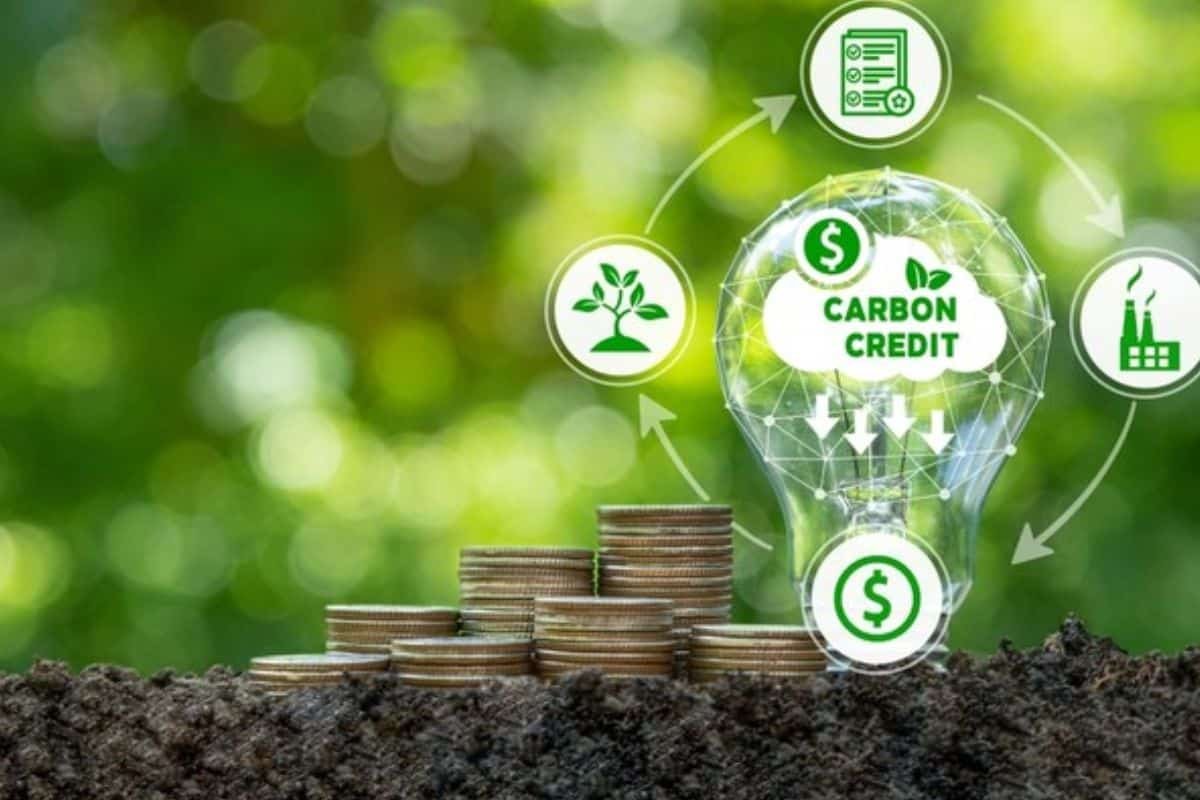
Why Carbon Compliance Is No Longer Optional for SMEs
At recent business gatherings in Klang and KL, the term Carbon Offset marketplace has started appearing more frequently in conversations among business owners. Many only realize the urgency when multinational clients begin asking for concrete carbon reduction evidence during audits, turning what once felt like a distant concept into an immediate business requirement.
- 1️⃣ Step One: Don’t rush to buy—check the client’s specific “Carbon Offset ESG” requirements first
- 2️⃣ Where to buy carbon offsets? Three lifesavers for choosing a platform
- 3️⃣ Moving past “sweet-talking” middlemen: Why blockchain makes carbon offsets more convincing
- 4️⃣ Practical tip: It’s not just about getting the certificate; remember to confirm the “Retirement” status
Step One: Check the client’s “mood” before deciding what to buy
Many people, as soon as they hear about buying carbon credits, start asking everywhere: “Where to buy carbon offsets?” Actually, the order is wrong. It’s like rushing to pay before you’ve even looked at the menu. You need to flip through the Supplier Code of Conduct provided by your big clients first to see their requirements for carbon offset ESG. Some clients are very picky and only recognize specific international standards. If you just buy something cheap online and the auditor says it doesn’t meet the specs, your money is essentially being thrown into the Klang River. Simply put, figure out how many tons you need and whether the other party recognizes projects like forest protection or renewable energy. With this foundation, you won’t get dizzy looking at the dizzying array of projects when you search the Carbon Offset marketplace.
Choosing a Platform: Don’t just look at how pretty the website is
When you are ready to online buy carbon offsets, you will find that there are countless carbon offset platforms online. At this point, many bosses start to hesitate: “What if I buy fake data?” What we are looking for are platforms that provide verified carbon offsets. “Verified” means there is an international third-party organization (such as Verra or Gold Standard) backing it up, proving that these emission reductions actually exist. Honestly, for bosses, transparency is the lifeline. A good platform should allow you to see at a glance where the project is, who verified it, and when it was retired, rather than just giving you a random PDF.
An immutable voucher is far more powerful than explaining for half a day
In such a context, units like Carbon Core typically utilize immutable technologies like blockchain to record every verified carbon offset into a bottom-layer protocol. This allows businesses to directly use this transparent data to face international audits. To put it simply, blockchain carbon offset is like issuing an “ID card” for every ton of CO2. Once you buy that ton, the system marks on the chain that it belongs to you—no one else can buy it. This tokenized carbon offset model actually solves the nagging worry in many bosses’ hearts: “How do I know what I’m buying is real?” If you go to a legitimate Carbon Offset marketplace, you will find that every transaction is open and transparent. Compared to listening to a middleman’s tall tales in a coffee shop, this “cold” data is much more persuasive.
Final Reminder: After getting the certificate, don’t forget to “Retire”
Many bosses think everything is settled once they pay and receive the carbon offset certificate. In fact, the most critical action is called “Retirement.” When operating on a platform, you must ensure that these credits have been retired in your company’s name. This is what makes them officially count as offsetting your emissions. It’s like buying a movie ticket; you have to tear the stub and enter the hall for it to count. Professional platforms like carboncore.io usually automate or guide you through this step and generate a complete compliance report. Honestly, the road to carbon neutrality might seem a bit annoying at first, but once you master these processes, it effectively becomes your company’s “green passport.” You’ll have much more confidence when competing for overseas orders in the future.
Official Website: Carboncore.io
💬 In-depth Analysis & Suggestions
We’ve compiled some real-world questions that bosses often struggle with when dealing with carbon offsets.