
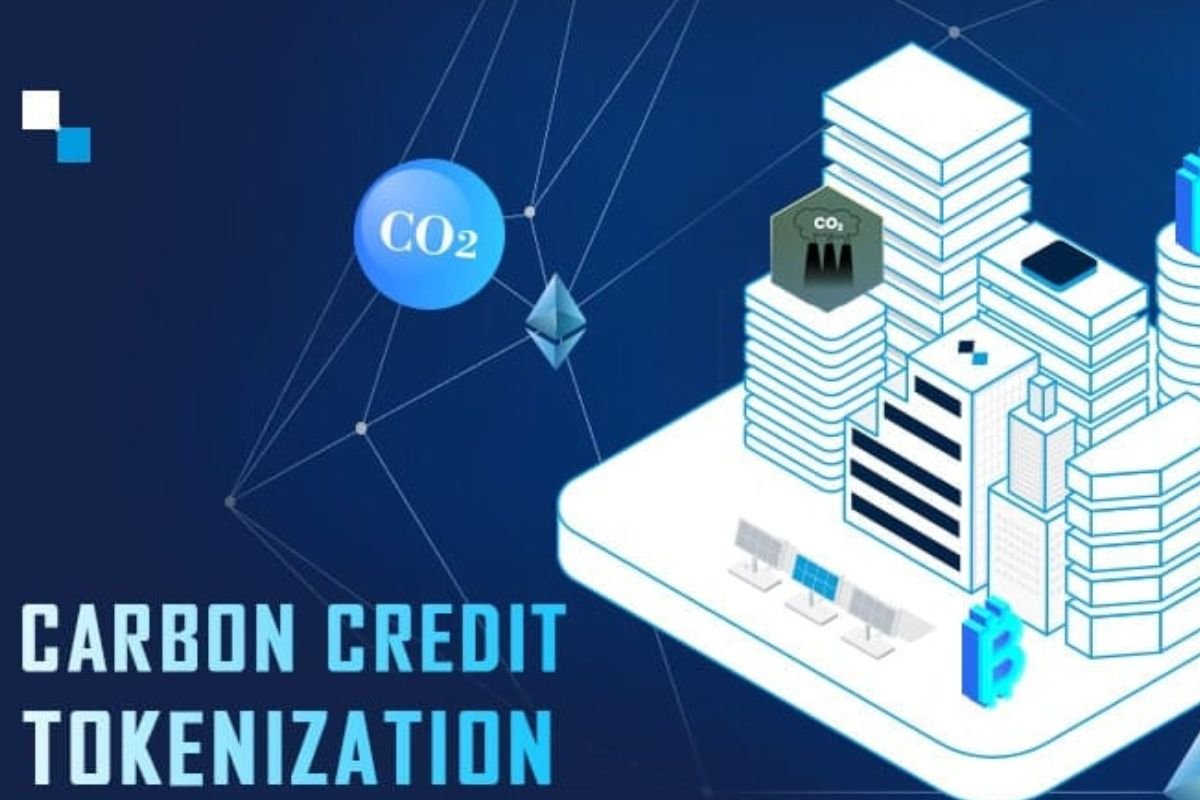
How Malaysian Business Owners Are Using Carbon Credits Tokenized to Solve ESG “Green Headaches”
To be honest, ESG is no longer a concern reserved for multinational corporations. Across Malaysia, more small and mid-sized business owners are discovering that environmental compliance is becoming a practical business issue, not a theoretical one. Mr. Tan (pseudonym), who runs a packaging factory in Klang, recently experienced this shift firsthand when a long-time European client sent him an email packed with ESG questionnaires—alongside a clear request for an annual carbon reduction certificate. Like many SME owners, Mr. Tan spends most of his time managing operations and meeting production deadlines, leaving little room to study carbon accounting frameworks or emission calculations. After speaking with peers in KL and JB, he realized this problem was widespread: many business owners want to address ESG requirements but feel overwhelmed by complexity and deterred by the high fees quoted by large consultancy firms. It is in this gap that carbon credits tokenized solutions are starting to gain attention—offering a more accessible, transparent way for smaller companies to document and manage carbon offsets without committing to costly, time-consuming ESG projects.
- 1️⃣ Reality Check: Can SMEs actually afford carbon credits?
- 2️⃣ Trust Crisis: How carbon credits tokenized solve the “Fake Certificate” embarrassment?
- 3️⃣ Practical Operation: Why tokenized carbon assets for ESG are becoming mainstream?
- 4️⃣ Industry Observation: Why choosing the right tokenized carbon credit platform matters?
- 5️⃣ Deep Dive: Realistic considerations before getting started
Reality Check: Can SMEs actually afford carbon credits?
When most bosses first look into carbon trading, they are usually scared off. The traditional carbon market is very deep, typically requiring massive orders starting from hundreds of thousands of tons. For many small and medium-sized factories, this is simply out of reach. Honestly, what Mr. Tan was thinking was: I just want to offset the emissions from my few machines, is there really no way for me? Actually, a new method has emerged in the market, known as carbon credits tokenized. Simply put, it breaks down originally massive carbon assets into individual digital tokens. In this context, units like carboncore typically use blockchain technology to bring high-quality carbon projects onto a platform, allowing bosses to purchase only what they need—just a few tons at a time—without tying up large amounts of cash flow. This flexible model solves the practical pain point for many Malaysian SMEs who “want to participate but can’t afford it.”
Trust Crisis: How to solve the “Fake Certificate” embarrassment?
Besides price, the biggest worry for business owners is being “scammed.” In the Malaysian business world, everyone is afraid of paying for a painful lesson. A friend of Mr. Tan once encountered a situation where he bought a forest protection certificate through a middleman, only to have the auditor say during the annual audit that the certificate had either expired or been double-sold. Touch wood, if this happens, the company not only loses money but also gets labeled with “Greenwashing” by clients. This is why tokenized carbon credits are gaining attention. Because they use blockchain technology, every record on the chain is immutable. Who generated it, who bought it, and who used it—everything is crystal clear with a simple check on a phone. For someone practical like Mr. Tan, a visible, traceable record is far more convincing than a beautifully printed PDF certificate.
Practical Operation: Why tokenized assets are becoming mainstream?
Honestly, Mr. Tan hates complicated administrative procedures the most. If buying carbon credits required filling out a dozen forms, he would rather go beg the client for a few more days. But tokenized carbon assets for ESG is all about efficiency. On a platform like carboncore, the whole process is actually not much different from ordering food on Grab or buying something on Shopee. Register, pick a project, place an order—it’s that simple. Once purchased, the digital carbon credit tokens are stored directly in the company’s digital account. Whenever a client wants to see an audit report, you can just export the asset records. This “decentralized” efficiency makes many bosses who originally kept ESG at arm’s length finally feel that this is something they can actually handle amidst their busy schedules.
Industry Observation: Are digital assets a businessman’s moat?
Actually, many long-standing enterprises in JB or KL have started to realize that this isn’t just about satisfying European clients; it’s the general trend. The Malaysian government is also slowly promoting the Voluntary Carbon Market (VCM). In the future, carbon emissions might really have to be calculated as clearly as an electricity bill. For businessmen like Mr. Tan, researching the tokenized carbon credit platform early is like buying a low-cost “compliance insurance” for the company. While your competitors are still begging around for a certificate for a few tons of emissions, you’ve already demonstrated extreme professionalism to your clients through digital means. The accumulation of this trust is often the key to securing major orders.
Official Website: Carboncore.io
💬 In-depth Analysis & Suggestions
Here are some private experience summaries regarding the realistic questions Malaysian bosses often ask.