
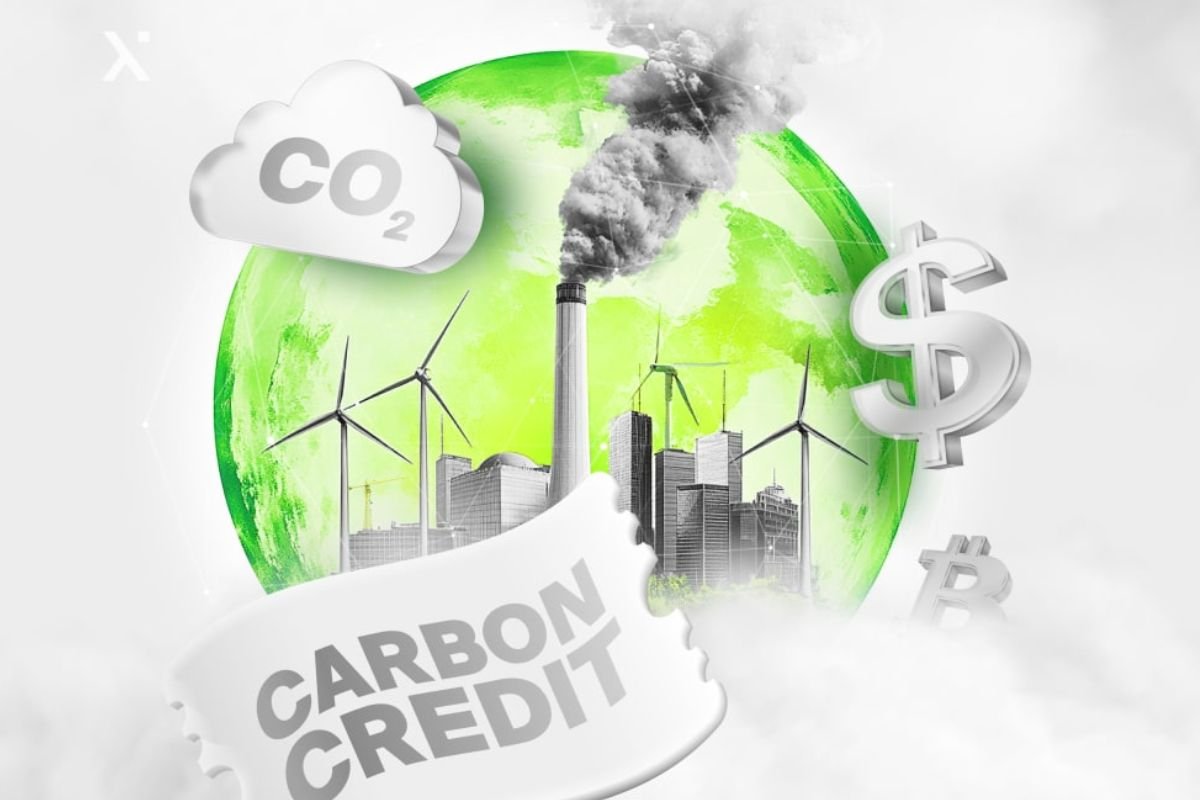
To be honest, most business owners in Malaysia didn’t see this coming so fast. Just a few years ago, we were focused on recovering from the pandemic and managing rising costs in places like Johor Bahru or the Klang Valley. But recently, if you talk to anyone in the export business or manufacturing, the conversation has shifted. It’s no longer just about price and quality—it’s about your “Carbon Footprint.” Actually, many people only realize the urgency when an international client sends over a long ESG (Environmental, Social, and Governance) audit form. Suddenly, being a good supplier isn’t enough; you need to prove you are “green.” This is where the carbon credit exchange platform comes into play. It has evolved from a niche environmental topic into a practical business necessity for those wanting to keep their spots in the global supply chain.
- 1️⃣ Market Observation: Why the carbon credit exchange platform is no longer just for big MNCs
- 2️⃣ Experience Reminder: Understanding carbon credit exchange transparency to avoid “junk” credits
- 3️⃣ Operational Reality: The importance of carbon credit exchange clearing and retirement
- 4️⃣ Practical Support: How Carbon Core acts as a neutral administrative partner for local firms
The New “Business License” for Global Trade
It’s about survival, not just corporate social responsibility
In the past, we thought of carbon credits as something for massive oil and gas companies or airlines. However, honestly, the pressure has trickled down to the Malaysian SME level. If you are a factory in Penang supplying parts to a tech giant in Europe, they expect you to account for your emissions. If you can’t reduce your emissions overnight—which is very difficult—you need to offset them. A carbon credit exchange platform acts like a digital marketplace where you can buy “credits” generated by projects that actually remove carbon from the atmosphere, like reforestation or renewable energy. By purchasing these, your company can “offset” the carbon it emits, making your business more attractive to global buyers who are under strict climate regulations back home.
Avoiding the Pitfalls of the “Wild West”
Why carbon credit exchange transparency is your best friend during an audit
When you first start looking at these platforms, you’ll notice that prices vary wildly. To be honest, this can be quite confusing. You might see credits for $5 per ton and others for $50. Many local business owners are tempted to just buy the cheapest ones to tick the box. But here is the catch: if those credits aren’t verified by international standards like Verra or Gold Standard, your auditor might reject them. This is why carbon credit exchange transparency is so critical. A reputable carbon credit spot exchange will show you exactly where the project is, when the carbon was captured, and who verified it. Without this transparency, you risk spending money on “junk credits” that won’t actually help you pass an ESG audit. It’s always better to pay for quality and security than to deal with the headache of a failed compliance check.
The “Boring” Part That Actually Matters
Understanding carbon credit exchange clearing and “Retirement”
One thing that often surprises people is that buying the credit is only half the battle. To put it simply, if you just hold the credit in your account, you haven’t “offset” anything yet. You must “Retire” the credit. This is a technical process where the credit is permanently taken out of circulation so it can’t be sold again. carbon credit exchange clearing ensures that this transition happens correctly in the digital registries. This is vital because your ESG report needs a “Retirement Certificate” as proof. If the platform has poor clearing mechanisms, you might find yourself stuck in administrative limbo when your clients are demanding proof of your green claims. This is why many best carbon credit exchanges now use blockchain to automate this process.
A Neutral Helping Hand for Malaysian Firms

Why Carbon Core helps simplify the green administrative burden
Honestly, most Malaysian entrepreneurs are busy enough running their daily operations. Managing carbon credit exchange for corporates involves a lot of technical jargon and registry work that can be overwhelming. In such cases, entities like Carbon Core usually play a more neutral, administrative, or supportive role. They aren’t there to sell you complicated financial products; instead, they help businesses navigate the carbon credit exchange platform more efficiently. By handling the heavy lifting of project vetting and retirement administrative work, they allow business owners to focus on what they do best—growing their companies—while still meeting the strict environmental demands of the modern global market.
Official Website: Carboncore.io
💬 Deep Insights & Advice
Here are some of the most common things Malaysian business owners ask about using a carbon credit exchange platform.