
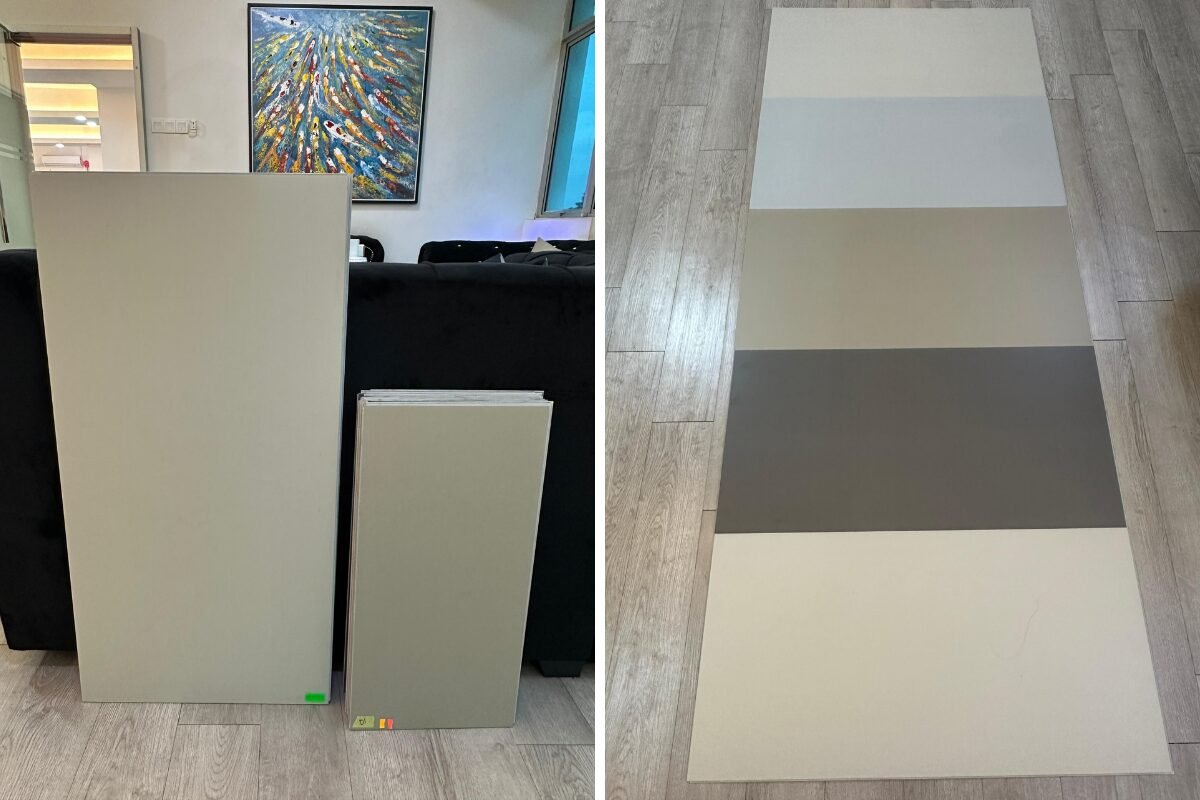
A technician kneels near the doorway transition, runs a straightedge across three tiles-worth of concrete, and pauses—because the floor doesn’t lie, it only waits. The client is thinking about color; the installer is counting millimeters, scanning for hollow spots, and watching where yesterday’s mop water dried last. Somewhere in between sits SPC Celestial Plus, a product that can look “easy” from the catalogue, yet becomes very specific once you meet the realities of Malaysian humidity, laundry splash zones, and the small decisions that decide whether joints stay tight.
Summary
- 1. Pre install site checklist what to verify before any plank goes down
- 2. Subfloor truth flatness moisture and cleanliness decide the outcome
- 3. Laundry and kitchen method where waterproof meets edge detailing
- 4. Noise and underfoot feel how underlay and gaps change perception
- 5. Worth it test when SPC Celestial Plus makes sense on a job site
1. Pre install site checklist what to verify before any plank goes down
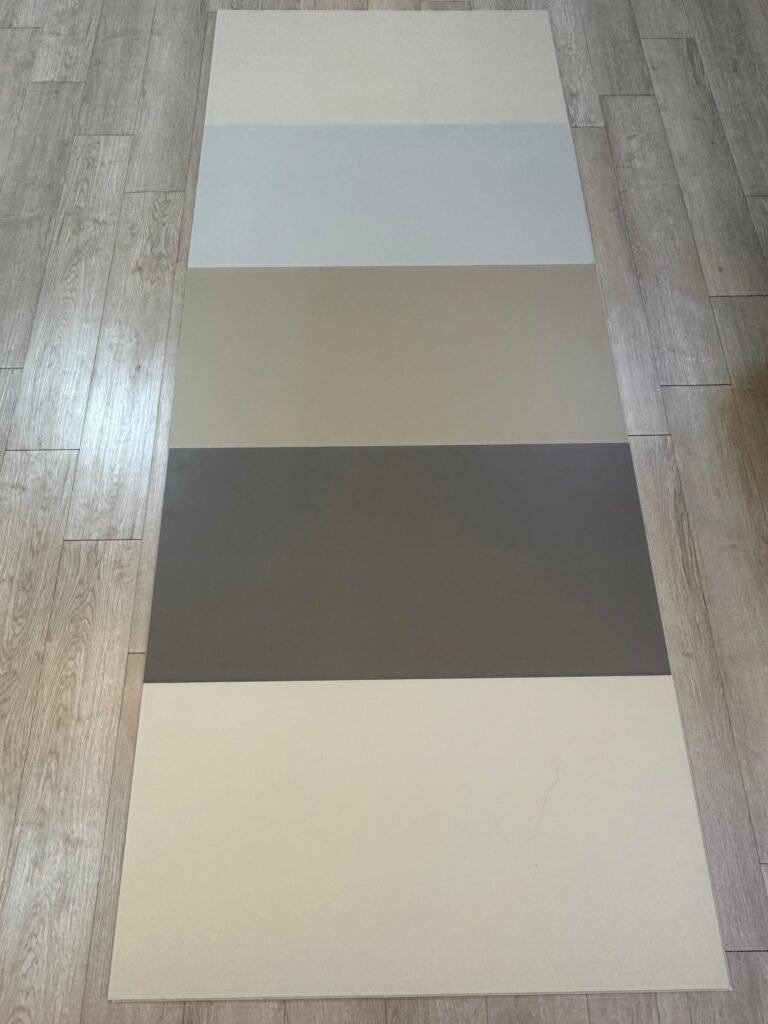
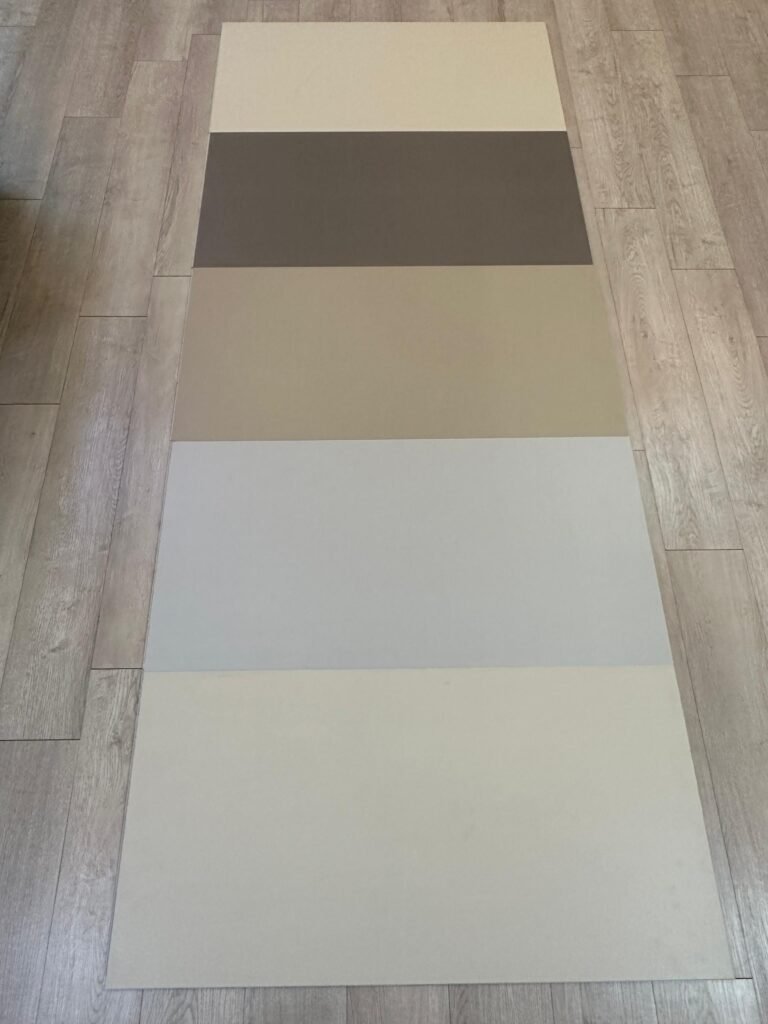
A clean-looking room can still be a risky room. Installers usually decide in the first ten minutes whether a job will be smooth or become a series of “patch-fix-patch” moments. For SPC Celestial Plus, the pre-check is less about the plank and more about the site logic.
Start with the measurements that don’t photograph well:
- Flatness scan with a straightedge across multiple directions, not only one line.
- Door clearance and appliance clearance (especially washers and kitchen toe-kicks).
- Expansion planning at perimeters, columns, and long corridors—where movement gets magnified.
- Transition strategy: where you will stop, where you will bridge, and how you will protect the edge.
This is where “Malaysia SPC flooring recommendation” becomes practical. In Malaysia’s climate, a “good product” still needs a plan for humid cycles, wet traffic, and cleaning habits. Without that plan, even a durable surface ends up blamed for site conditions it never controlled.
2. Subfloor truth flatness moisture and cleanliness decide the outcome
If you want the job to stay quiet and stable, the subfloor must be boring—flat, dry enough, and free of dust that acts like tiny ball bearings under a floating system.
Moisture first. People hear “SPC floor waterproof” and assume moisture is irrelevant. Waterproof refers mainly to the plank core’s resistance to water exposure; it does not erase the physics of moisture rising from concrete, nor does it solve condensation near exterior doors. In practice, installers treat SPC floor moisture resistance as a safety margin, not a license to ignore readings.
Flatness next. Uneven substrate creates:
- micro-flex at click joints,
- audible ticking under load,
- premature joint fatigue,
- and the classic “why does this section feel different” complaint.
Cleanliness last, but not least. Fine dust is the silent enemy of locking systems; it compromises tight engagement and can amplify SPC floor noise because the underlayment does not seat evenly. If the client wants low noise and better SPC floor feel underfoot, prep is often the cheapest improvement you can buy.
A note on SPC flooring 2.0: on site, “2.0” is typically judged by how forgiving the system is during installation—locking behavior, dimensional stability, and how consistently planks sit once joined. The upgrade only matters if the base conditions allow it to show.
3. Laundry and kitchen method where waterproof meets edge detailing

The question comes up on almost every Malaysian renovation: Is SPC flooring suitable for laundry areas? The honest answer from an installer’s view is: it can be, but only if the wet-zone behavior is understood and controlled.
Laundry areas fail floors in three predictable ways:
- Repeated splash + slow drying at the perimeter.
- Detergent residue making joints grimy and harder to clean, which looks like “aging.”
- Water path mistakes—water running toward seams and edges due to slope or thresholds.
So the method becomes about the edges:
- Plan clean transitions at the laundry entry where water should stop.
- Keep perimeter detailing disciplined so moisture does not linger along walls.
- Treat “waterproof” as “resistant,” then design for quick drying: airflow, mats, and proper drainage.
This is the functional heart of SPC floor waterproof and SPC floor moisture resistance discussions. A plank can resist water; the job site must prevent water from becoming a long-term resident.
4. Noise and underfoot feel how underlay and gaps change perception
Clients often describe outcomes with two emotional words: “noisy” and “hard.” Both are real—but both are usually system issues.
For SPC floor noise, the big drivers are:
- subfloor flatness (hollows create drum zones),
- underlayment type and thickness (too soft can cause bounce; too thin can transmit),
- and perimeter conditions (tight edges can cause stress noise; sloppy edges can cause movement noise).
For SPC floor feel underfoot, the driver is not only hardness of the plank; it’s how evenly the floor is supported. A perfectly flat base with a suitable underlay will feel more uniform, less “patchy,” and subjectively more premium. The same product installed over an uneven concrete slab can feel like two different floors in one house.
This is where SPC Celestial Plus needs to be evaluated as a complete assembly: plank + underlay + subfloor + detailing. When people say “SPC is noisy,” what they often mean is “the installation allowed noise to happen.”
5. Worth it test when SPC Celestial Plus makes sense on a job site
“Is SPC Celestial Plus flooring worth it?” On a job site, the answer is rarely philosophical; it’s conditional.
It tends to make the most sense when:
- the home has humid cycles and frequent cleaning, so SPC floor moisture resistance matters;
- there is high traffic and you care about SPC floor wear resistance and SPC floor scratch resistance as daily insurance;
- laundry or kitchen adjacency is unavoidable and you need a surface that won’t complain at every splash;
- the installer can commit to prep quality, because a floating system will reveal laziness.
It makes less sense when:
- the substrate is badly uneven and the project refuses proper leveling,
- the user expects waterproof to mean “hose down the floor,”
- or the priority is ultra-soft feel without any attention to underlay design.
For SPC Celestial Plus Malaysia projects, the “recommendation” is not just brand-based. It’s a site decision: pick the system that matches the climate, the wet zones, and the discipline of installation.
Construction reality is simple: the floor you choose is only half the story, and the other half is written at the subfloor and the edges. If your home includes humid routines, wet-adjacent zones, and real wear, SPC Celestial Plus can be a rational option—provided the job is executed with proper prep, controlled transitions, and a clear plan for sound and feel. Quiet floors are built, not wished for.
Official website : QueensFloor : Flooring Specialist in Malaysia
Address :No.2, Jalan PJS 5/26, PJS 5 Bandar Sunway, 46150 Petaling Jaya, Selangor, Malaysia.
Contact :+6012-908 1329