
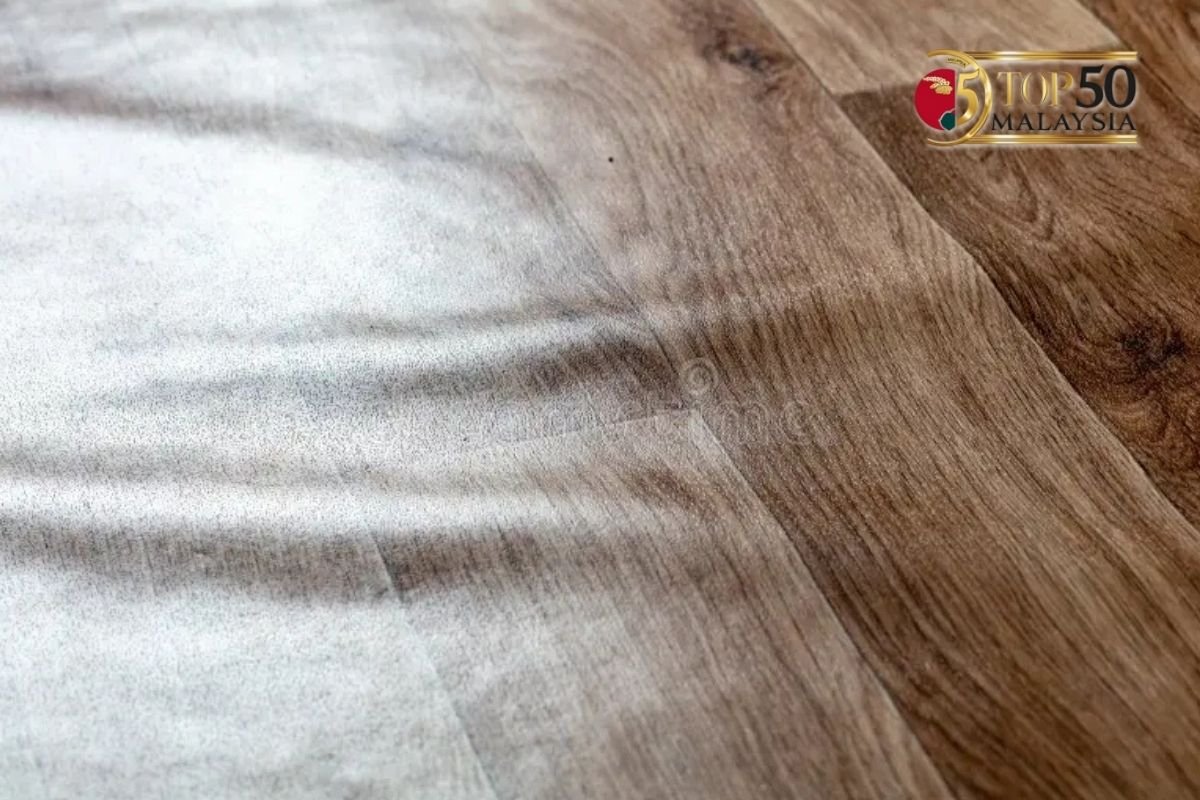
SPC flooring has become one of the most preferred materials for Malaysian homes in 2026, especially among families seeking durability, waterproof performance, and a low-maintenance lifestyle. These problems often arise not from the product itself but from poor installation or a lack of proper subfloor preparation. This article focuses on essential SPC Flooring Tips 2026, with practical insights on subfloor treatment, moisture protection, installation flow, and brand considerations that influence long-term performance.
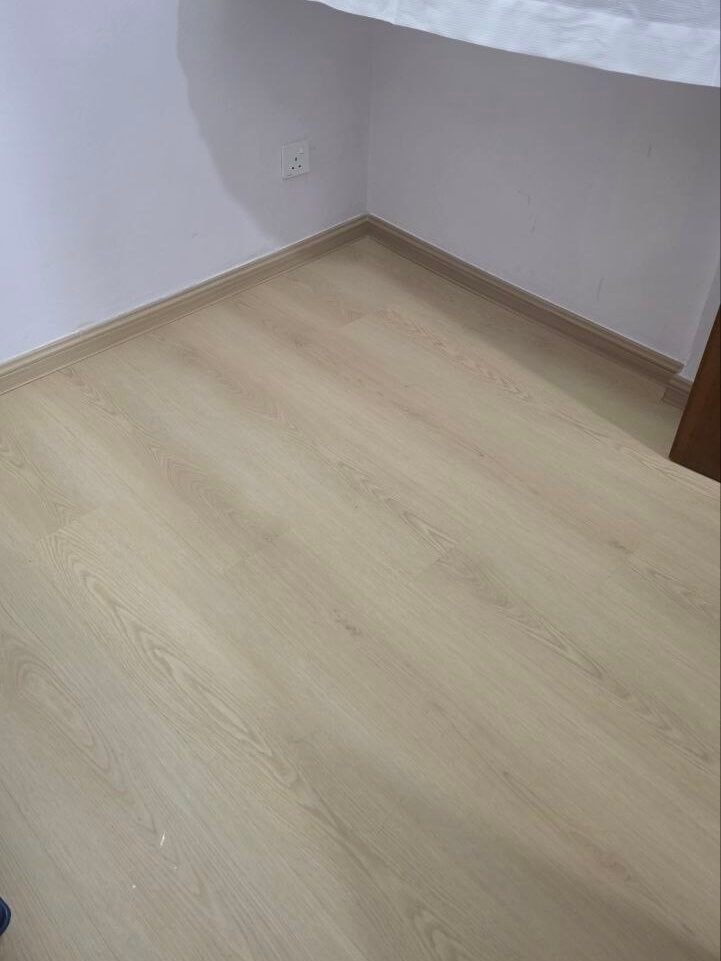
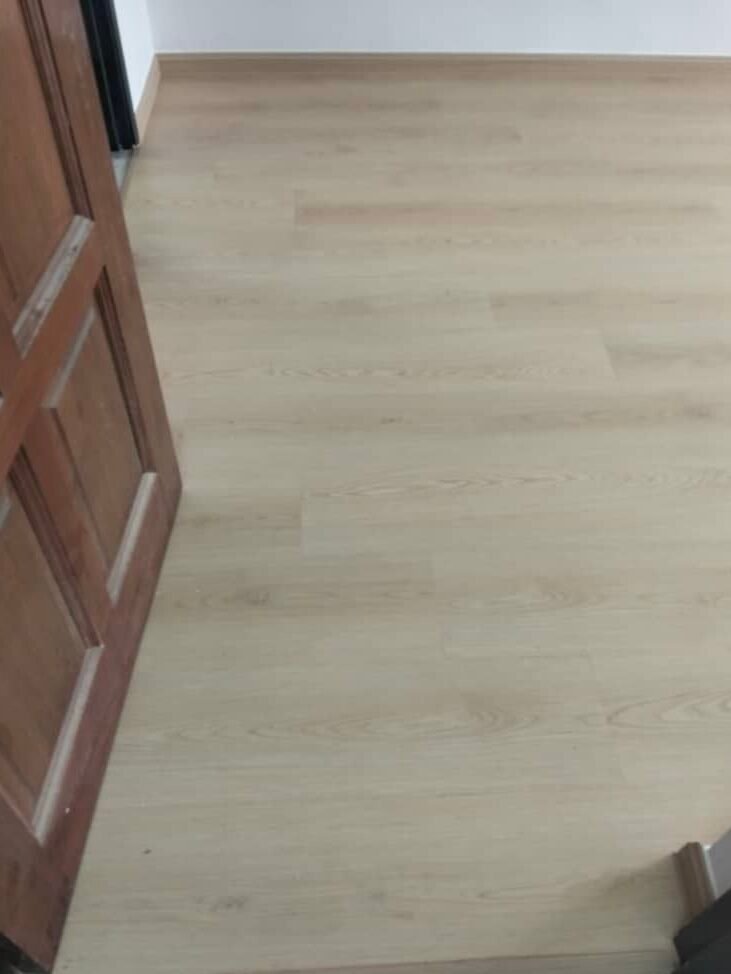
Understanding 2026 Renovation Trends and the Rise of SPC Flooring
Homeowners today prioritize materials that are waterproof, heat-resistant, and pet-friendly. Wood flooring, while aesthetically warm, struggles against Malaysia’s humidity and frequent temperature fluctuations. Compared to that, SPC flooring offers superior moisture resistance, stable structure, and easier cleaning. These advantages drive more families toward SPC as their primary flooring choice. However, as the number of installations increases, so do SPC flooring installation issues — making proper guidelines more important than ever.
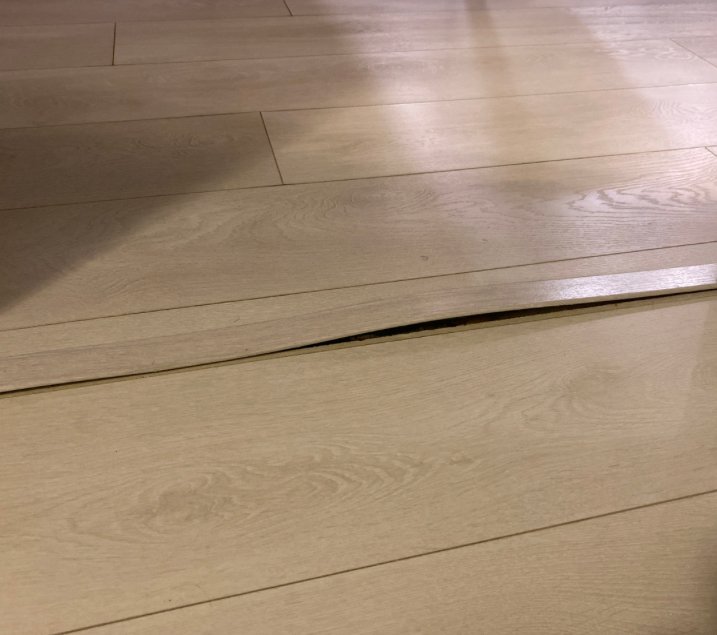
SPC Flooring Tips 2026: Preventing Common Installation Issues
Among the most frequent complaints are subfloor-related failures. Many SPC flooring lifting problems come from uneven ground, hollow spots, or inadequate surface preparation. When the subfloor lacks proper treatment, the click-lock system cannot distribute pressure evenly, resulting in tension that eventually causes lifting or misalignment. One key SPC flooring tip is to ensure that the floor is checked using leveling tools capable of detecting even minor dips.
SPC Flooring Tips 2026: Professional Subfloor Treatment Matters
Subfloor treatment is the foundation of the entire installation. Without proper SPC flooring subfloor preparation, even premium brands cannot guarantee durability. It begins with checking moisture levels and repairing cracks or uneven segments. If the subfloor is too rough, installers apply leveling compounds to stabilize the base. This step is essential to avoid future lifting or sound-hollow issues.
A growing number of homeowners now request QueensFloor SPC flooring installation because the brand is known for thorough ground inspections and moisture assessment. The QueensFloor installation guide includes steps that many budget installers skip, such as moisture meter testing, ridge sanding, and selecting the right underlayment depending on room exposure. These practices help prevent SPC flooring cracking causes and ensure long-term stability.
SPC Flooring Tips 2026: Moisture Protection and Climate Considerations
Moisture-related failures remain one of the leading reasons behind SPC flooring complaints. While SPC boards do not absorb water, moisture underneath the surface can create pressure, cause mold, or lead to expansion near walls. A proper moisture barrier prevents these issues and helps maintain click-lock integrity.
Climate plays a major role as well. Homes exposed to direct sunlight or high interior temperatures require correct spacing to accommodate thermal expansion. Failure to leave the proper expansion gap is one of the most common SPC flooring installation mistakes seen across budget renovation teams.
In 2026, professional installers are trained to maintain temperature consistency throughout installation and allow planks to acclimate to room conditions. This prevents the typical symptoms of poorly controlled climates: cracking, separation, or tight-edge pressure marks.
Wood Flooring vs. SPC Flooring: Which Performs Better?
The comparison between wood flooring and SPC flooring is increasingly clear. Wood flooring reacts to humidity by swelling, shrinking or warping, making it vulnerable in Malaysia’s tropical climate. Heat changes also cause wooden boards to cup or buckle if not well-maintained.
SPC flooring, by contrast, is highly stable with a rigid core that resists expansion. Maintenance is straightforward, requiring only basic cleaning. Families with pets or young children prefer SPC for its scratch-resistant and waterproof features. Moreover, SPC installation is faster and requires fewer intensive procedures compared to wooden boards, which need sanding, sealing, and strict humidity control.
Conclusion: SPC Flooring Tips 2026 for a Trouble-Free Home
In 2026, choosing SPC flooring is only the first step. The real difference lies in applying proper SPC Flooring Tips 2026 — from subfloor preparation and moisture protection to following a correct installation sequence. When combined with a reliable brand and trained installers, SPC flooring can offer a smooth, durable, and visually appealing surface for many years. A well-prepared installation today prevents costly repairs tomorrow.
Official website : QueensFloor :Flooring Specialist in Malaysia
Address :No.2, Jalan PJS 5/26, PJS 5 Bandar Sunway, 46150 Petaling Jaya, Selangor, Malaysia.
Contact :+6012-908 1329