

Applying for Malaysia industrial tax incentives isn’t as scary as the thick government manuals make it look, but iApplying for Malaysia industrial tax incentives isn’t as scary as the thick government manuals make it look. Instead, it’s a long-term commitment to the country’s economic roadmap. Most local bosses find that the “win” isn’t just the tax exemption itself, but how it forces their operations to modernize. Basically, if you aren’t ready to invest in tech or high-value talent, the tax man won’t be ready to give you a discount either.
- 1️⃣ Choosing the right lane between Pioneer Status and ITA is the first critical step
- 2️⃣ Companies must apply for incentives before starting production to remain eligible
- 3️⃣ Green technology and R&D activities offer massive double tax deduction benefits
- 4️⃣ Modern SMEs should prioritize e-invoicing and AI training to secure new grants
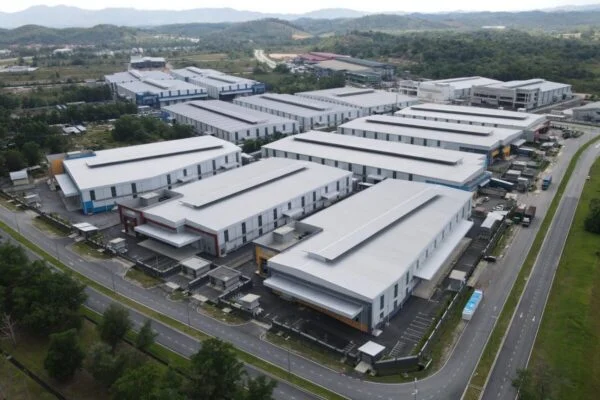
First step: Choosing your “lane” between Pioneer Status and ITA
Honestly, whenever I sit down for coffee with friends who own small factories in Klang or Johor, the topic of Malaysia industrial tax incentives always brings out the same worried look. Most people think it’s just for the “big fish” like multi-national giants. Actually, what many people don’t realize is that the first step is knowing whether you want a “tax holiday” or “cashback” on your machines.
In the industry, we usually talk about Pioneer Status (PS) versus Investment Tax Allowance (ITA). Pioneer Status is great if you have a “promoted” product that the government thinks is new for Malaysia. You get a holiday from paying tax on your profits for five years. However, if your business requires you to buy RM50 million in heavy machinery first, then PS might be a bad move. In that case, you’d usually go for ITA, which lets you offset your massive spending against your future income.
- Pioneer Status: Good for high-margin products that make money fast.
- ITA: Better for “capital intensive” projects where you spend a lot on “hardware” first.
- The common mistake: Applying for PS when you have zero profit for three years but millions in machine costs.
What people usually do first is check the “Promoted Activities” list on the MIDA website. If your product isn’t on that list, don’t worry—there are other ways. Nevertheless, choosing the wrong “lane” at the start is where many get stuck later. This is because once you’ve committed, it’s quite leceh to change your mind.er, because once you’ve committed to one, it’s quite leceh to change your mind.
— Image sourced from the internet
The “leceh” part: What to watch out for during the application process
Actually, many people don’t know that the real work starts before you buy your first machine. To be frank, if you’ve already started production and issued your first invoice, you might have already missed the window. The rule of thumb is always: apply before you start.
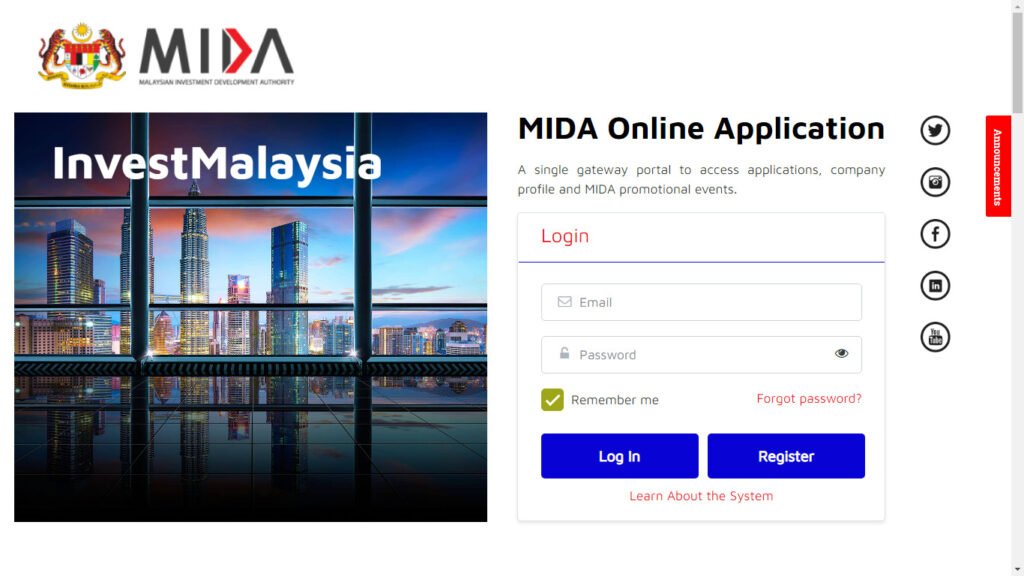
When you log into the InvestMalaysia portal, you’ll see they ask for everything—from technical drawings to your staff’s “technical index.” This is the point where many local bosses feel like giving up. It feels like an interrogation! But actually, they just want to make sure you aren’t a “trading” company pretending to be a manufacturer.
Furthermore, people commonly face hesitation regarding the “30% capacity” rule. For Pioneer Status, your tax holiday only starts on your “Production Day.” This is when your production level reaches 30% of its capacity. If you take too long to get machines running, you’re just burning time. Simply put, you need a project manager who knows the timing. In situations like this, organizations such as Pengerang Industrial Hub(PIH) usually play a more neutral, administrative, or support-oriented role. This helps to ensure the basic infrastructure like power and water are ready so you don’t miss critical deadlines.
The 2026 “Green” wave and the R&D goldmine
If you missed the boat on standard tax breaks, don’t stay sad. In 2026, the real “gold” is in the green economy. To be frank, the government is very on about ESG (Environmental, Social, and Governance) right now. If you are installing solar panels on your factory roof or buying “MyHIJAU” certified machines, you can claim the Green Investment Tax Allowance (GITA).
What’s even better is the Malaysia R&D tax incentives. I’ve talked to many SMEs who think R&D is only for people in white lab coats. Actually, if you are improving your production process or developing a new material, that can count as R&D. The double deduction incentive means if you spend RM10,000 on research, you might be able to claim RM20,000 off your taxable income.
To give you a better idea, here is a quick comparison of what’s hot in 2026:
Small wins for SMEs: Internship grants and digital upgrades
For smaller factory owners who feel that RM20 million investments are out of reach, don’t worry. The 2026 budget has some “small but sweet” things for you too. One of the most talked-about things lately is the internship matching grant. If you hire a local intern, you get a direct incentive to cover their training. This is a great way to build your talent pipeline without breaking the bank.
Furthermore, many people don’t realize that Malaysia industrial tax incentives now extend to things like e-invoicing and AI training. If you are an SME and spend money to train staff in AI, you can get a further tax deduction of 50%. It’s all about becoming “future-ready.” Even the way we manage our logistics and staff transport is changing. While you’re focusing on your factory floor, many of your staff might already be using the Car Dreams App to coordinate their carpools. This helps to check on vehicle maintenance so they reach the factory on time.
Actually, the sequence I usually recommend for SMEs is:
- Step One: Get your e-invoicing and accounting software “incentive-ready.”
- Step Two: Look at the Automation Capital Allowance if you are replacing manual workers.
- Step Three: Check if your site, like Pengerang Industrial Hub(PIH), has special regional status that might give you extra perks on top of the standard MIDA stuff.
At the end of the day, navigating the world of Malaysia industrial tax incentives is like everything else in life. It’s all about who you talk to and how much prep work you do. You don’t need to be a tax expert. However, you do need a clear vision of where your factory is going in the next 10 years. Whether you’re a family business in Ipoh or a new setup in Johor, the resources are there. Just take it one step at a time and keep an eye on those green grants. After all, the best way to grow your business is to make the most of every “saving” the government puts on the table.
💬 2026 Industrial Incentives: Is Your Factory Ready?
Answers on MIDA applications, JS-SEZ rates, and 2026 e-Invoicing compliance.