
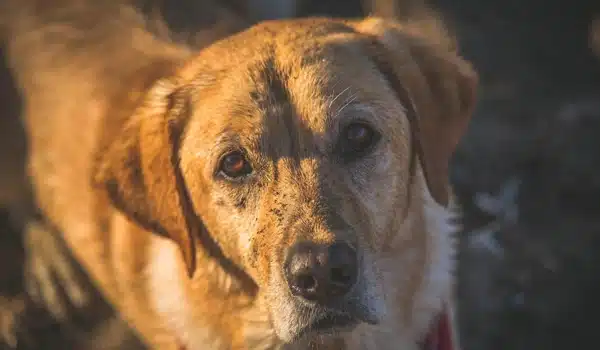
Walking around our neighbourhoods, whether it’s in residential areas or behind industrial parks, sometimes you’ll spot a few skinny dogs scavenging for food. Many people might wonder, “Where do these dogs come from?” or “Isn’t it dangerous for them to be roaming around like this?” But not many actually step inside the places dedicated to taking them in. So today, let’s take a casual look at how stray dog shelter in Malaysia actually operate, and some things you probably never considered.
First, These Shelters Might Not Be What You Imagine
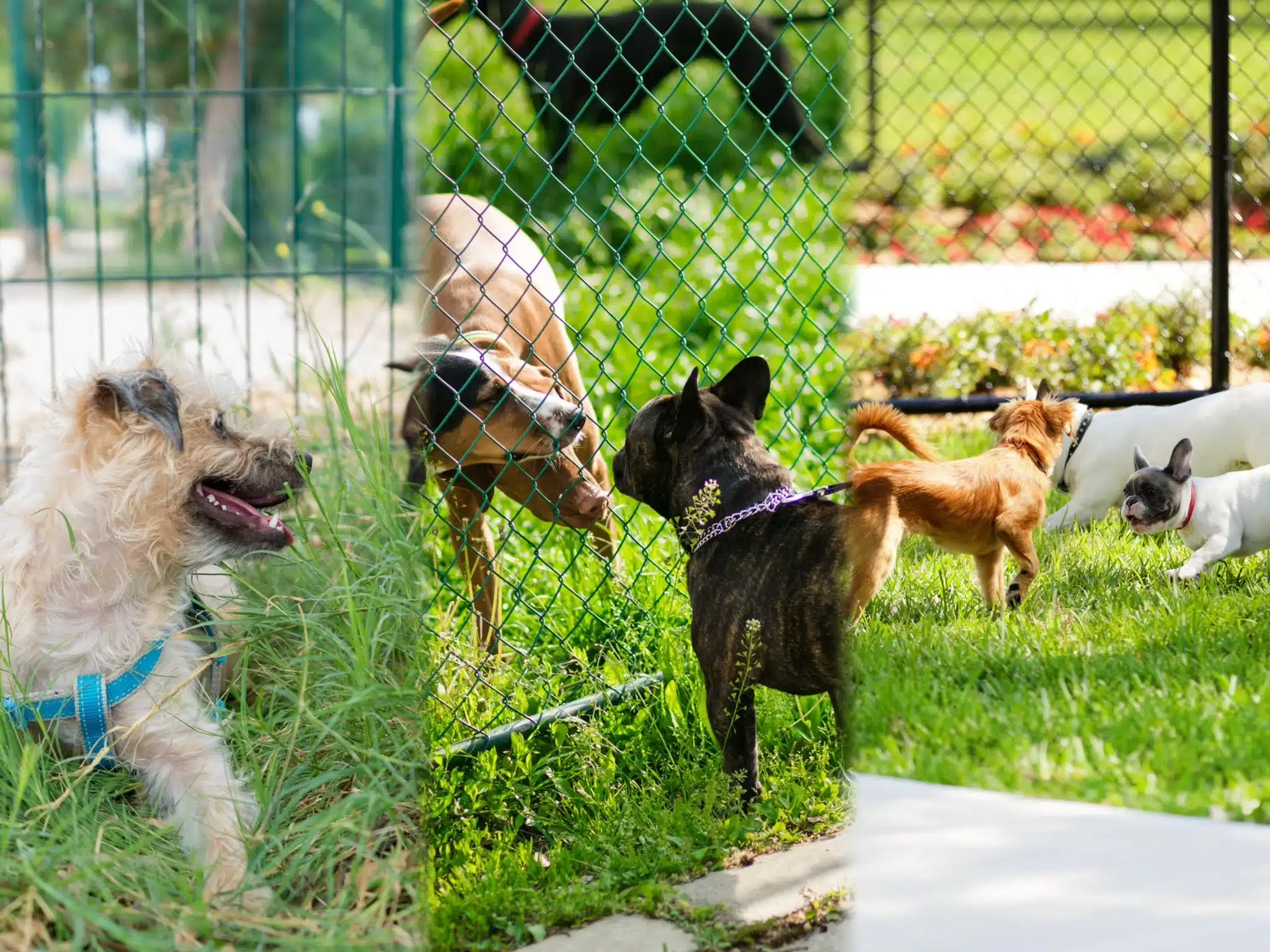

When most people think of shelters, they probably picture “lots of dogs in cages, noisy and smelly” kind of scene. But honestly, many local rescue organisations these days—like the ones you might have seen on news or social media around Klang Valley, Penang, or Johor—they’re actually trying their best to give these dogs a decent environment. Down in Johor, places like Xin Guang Pet are doing the exact same thing—running on limited funds but unlimited heart.
Put it this way: these places aren’t just “dumping grounds.” They’re temporary safe havens. When you visit one, you’ll see volunteers treating the dogs genuinely like their own “fur kids.” Some dogs are disabled, some are old and unwanted—the shelter becomes their last lifeline. There’s this one aunty running a shelter in Penang, still hustling at 81 years old, fighting for the future of over 700 dogs, looking for land, raising funds—just trying to prevent these lives from ending up being euthanised.
Second, Why Does It Feel Like Stray Dogs Are Increasing in Malaysia? And How Stray Dog Shelter Help


I think everyone notices this—the stray dog issue never really goes away. What many don’t realise is there are a few straightforward reasons behind it.
First, and this is the big one, the whole “sterilisation” mindset still hasn’t really sunk in. A councillor from Melaka once pointed out that to solve stray animal problems, you have to start with TNR—Trap, Neuter, Return. So many household dogs aren’t neutered, they accidentally end up having a whole litter of puppies, owners can’t keep them all, so they quietly dump them somewhere. Those puppies keep breeding in the wild, and naturally, the numbers just explode.
Second, the cost of abandoning a dog is basically zero. Some people think a puppy is cute, buy it on impulse, but when it grows up, gets sick, or they’re moving house, they just leave it by the roadside. These abandoned fur kids might still trust humans at first, but as they struggle to survive, they might start causing issues—chasing motorcycles, knocking over rubbish bins. Then the problem comes back to the dogs, and people complain.
Third, The Real Struggles: It’s Not Just About Feeding Them


If you think running a stray dog shelter is just about pouring kibble everyday, you’re way off. The reality is, these organisations are constantly fighting against funding shortages and manpower limits.
Money disappears fast. Any decent shelter spends thousands to tens of thousands of ringgit monthly. Take that shelter in Terengganu—a few aunties over 60 struggling to keep things going, needing RM3,000 to RM4,000 monthly, and that’s excluding sudden vet bills when dogs get sick. Penang’s PAWS wanted to build a new facility and needed to raise RM1.2 million. Just hearing that number is scary.
Manpower is never enough. Besides feeding, there’s cleaning up poop, bathing the dogs, bringing them to the vet, handling paperwork, chasing donors, managing social media. That Terengganu shelter? Only about five volunteers rotating everything, sometimes they just can’t finish. That’s why you always see shelters calling for volunteer recruitment—whether you’re young or old, experienced or not, if you’re willing to help sweep floors or just spend time with the dogs, it makes a massive difference to them.
Fourth, If You Want to Help, Here’s What Actually Works


Sometimes we want to help but just don’t know where to start. Here are a few practical ways.
Donating to stray dog shelter is the most direct support. Whether it’s shelters in Penang, Klang Valley, Melaka, or Johor, they’re all constantly needing funds for kibble, utility bills, and medical expenses. You don’t have to donate huge amounts—even small, regular contributions, or donating dog food (maybe check what brand they prefer first so you don’t send something they can’t use), is a lifeline for them.
Volunteering is another great option. Don’t feel shy if you’re not a “dog person.” Most shelters need help with cleaning, washing bowls, even weeding and tidying the environment. When university students in Terengganu spent a day helping out, those aunties felt so much relief. It doesn’t take much to make a difference.
But honestly, the most important thing is still adopt, don’t shop. Malaysia actually has so many beautiful mixed-breed dogs—kampung dogs—that are smart, healthy, and rarely have the genetic issues purebreds tend to get. If you’re thinking of getting a dog, why not visit a shelter first? You might just meet that fur kid you’re meant to be with.
Fifth, For First-Time Adopters: Don’t Be Impulsive
If the “adopt don’t shop” message speaks to you and you’re thinking of bringing a shelter dog home, there are some things to sort out first.
Don’t just choose based on looks. People see a cute dog and want to bring it home immediately, only to realise later it’s super energetic and chews everything, or it’s shy and barks at everyone. One of the most important first time dog adoption tips is: understand that dog’s personality and background first. Talk to the volunteers. Ask how the dog ended up there, whether it’s friendly with people, if it has any habits you should know about. Treat it like a new family member, not a toy you can return.
Also consider your own living situation. Are you in a condo or landed property? Got kids or other pets at home? How much time can you realistically spend walking it everyday? These questions matter. Because the last thing anyone wants is for the dog to be rescued, then returned because it couldn’t adapt. That’s tough on them emotionally.
Finally, Just Something to Think About
You know what’s interesting? The ultimate goal for most shelters is actually to one day close down permanently. Sounds strange, right? But think about it—if there were no more stray dogs, you wouldn’t need shelters anymore.
All these organisations, whether they’re in Penang, Johor, or anywhere else, and all the volunteers working quietly everyday—what they really want isn’t bigger shelters with more dogs. They want society’s attitude toward life to slowly change. Sterilise your pets. Don’t abandon them. Put a leash on when you go out. These small actions are what truly help those abandoned fur kids.
Next time you see a stray dog by the roadside, maybe think a bit deeper. What’s the story behind them? And what could we all do, little by little, to make this situation just a bit better.
Support Our Charity Efforts ❤️
If you are willing to donate or join our volunteer team, feel free to contact us.:
Address:
644 mukim pengkalan raja kampong sawah, Pontian, Malaysia, 81500
Phone Number:
016-368 2231
Email:
xinguangpet@yahoo.com