

Parents encountering Neucleus Precision Parenting for the first time often want a straightforward answer to one question: what is precision parenting, and how does it differ from generic parenting advice. This FAQ addresses that question directly, along with the related tools and applications parents commonly ask about.
🔴 Quick Read


Understanding the Neucleus Precision Parenting Philosophy
What is precision parenting?
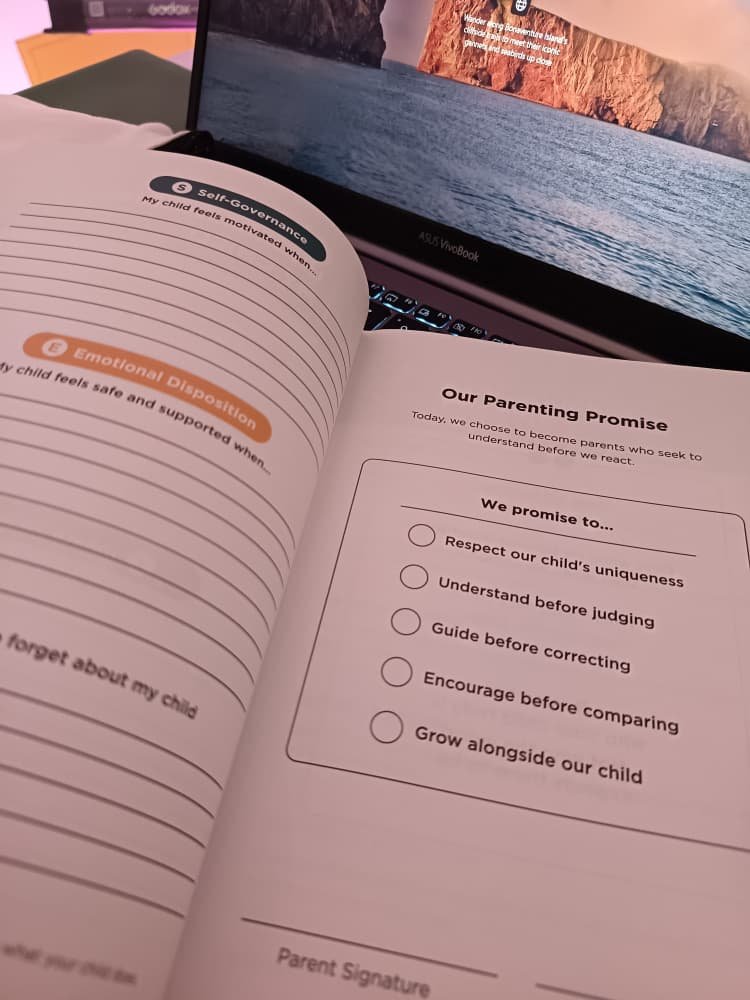
Precision parenting is a philosophy that starts by understanding a child’s individual differences before deciding on a parenting approach, rather than applying a single method to every child. The Neucleus Precision Parenting philosophy positions itself around respecting a child’s natural tendencies and family background as the starting point, not the endpoint.
Why does the same parenting method work for one child but not another?
The same method can produce different results because children vary significantly in how they learn, self-regulate, and respond emotionally. This variation is the core problem that personalised parenting methods are designed to address, rather than assuming one approach applies universally.
How Data and Consultation Support Parenting Decisions
What role does data play in this philosophy?
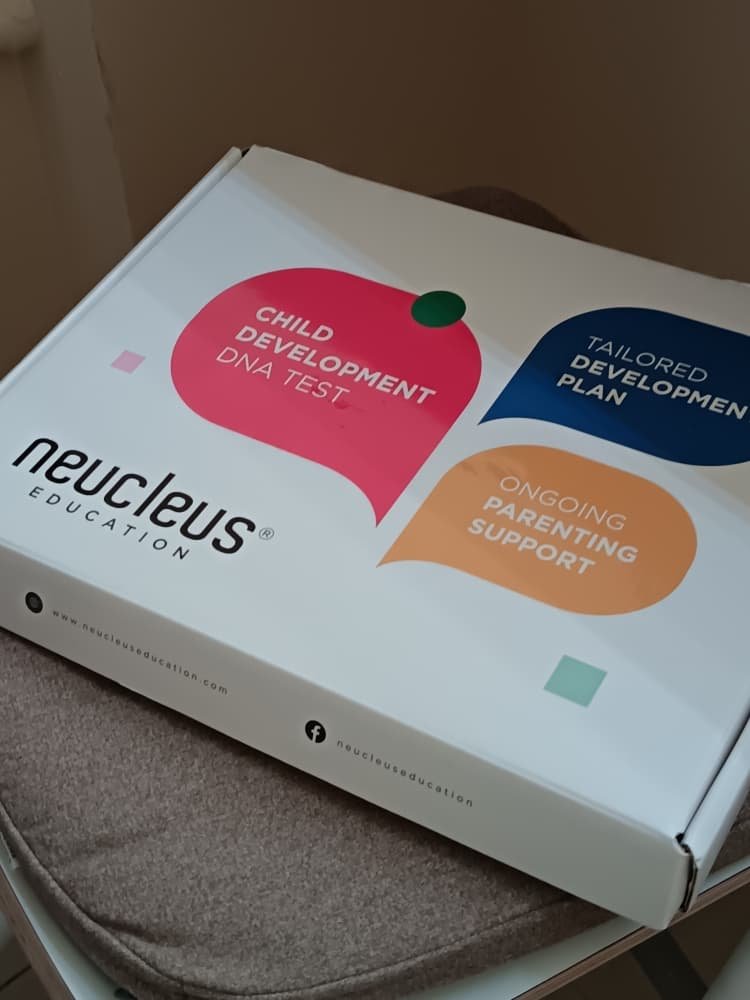
Data plays a supporting role, combining parental observation, suitability assessments, and parent feedback to build a reference picture of the child. This data is not used to determine a child’s capability or predict their future — it functions as one input among several that inform a consultation discussion.
How does consultation turn data into something usable?
Consultation interprets the collected data and discusses specific, actionable adjustments a family can try. Without this step, data on its own risks becoming a report parents cannot easily translate into daily decisions, which is why the Neucleus Precision Parenting model pairs data collection with guided discussion.

Applying Precision Parenting at Home
Where does this philosophy actually get applied at home?
The philosophy is typically applied across three areas: family communication, learning habits, and interest exploration. These three areas represent common decision points parents face, such as how to structure a communication style or which activities to prioritise.
Adapting the Approach as Your Child Grows
Does this approach change as my child grows older?
Yes. The philosophy calls for ongoing observation and adjustment as a child moves through different developmental stages, rather than treating any single assessment as a final, unchanging conclusion.

Learn More About the Neucleus Approach
Understanding what precision parenting means is the first step before exploring how it applies to your own family’s situation.
- Address: Unit 2-10, Level 2, Wisma Life Care, Jalan Kerinchi, Bangsar South, Kuala Lumpur
- WhatsApp: +60 14-376 7686
- Email: ask@neucleuseducation.com
- Website: neucleuseducation.com
- Facebook: Neucleus Precision Parenting
- Instagram: @neucleus.parenting
- YouTube: @neucleus.parenting
Neucleus Precision Parenting operates under Neucleus Consulting Group Sdn Bhd (registration number 202501047015 (1648423-W)).