
How Pengerang Terminal Logistics Impacts Your Business
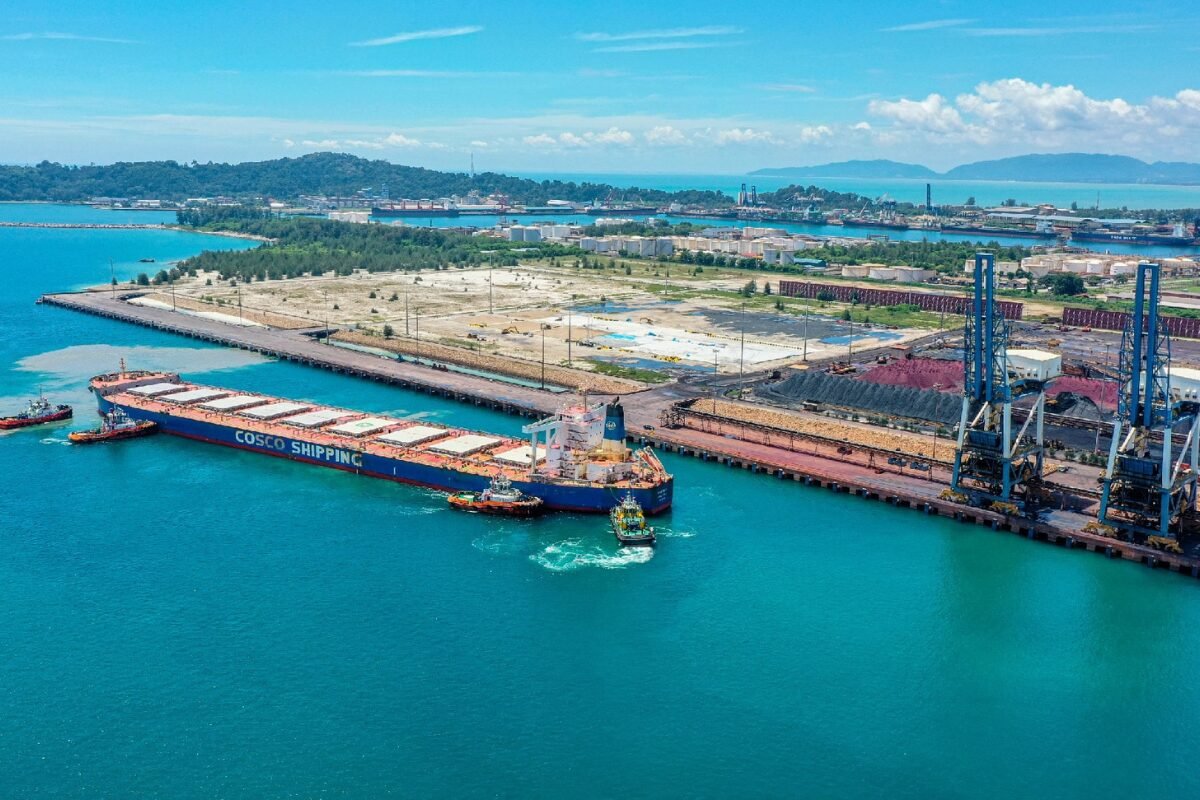
Pengerang Deepwater Terminal logistics is the backbone of Johor’s new industrial era, making it one of the most important hubs in the region. Its success stems from being a natural deepwater spot, meaning huge ships can dock easily without the need for constant, expensive dredging. If you’re wondering why there’s so much buzz about Johor’s economy lately, this specific logistics setup is the main driver.
Why everyone is suddenly talking about Johor’s “big tanks”
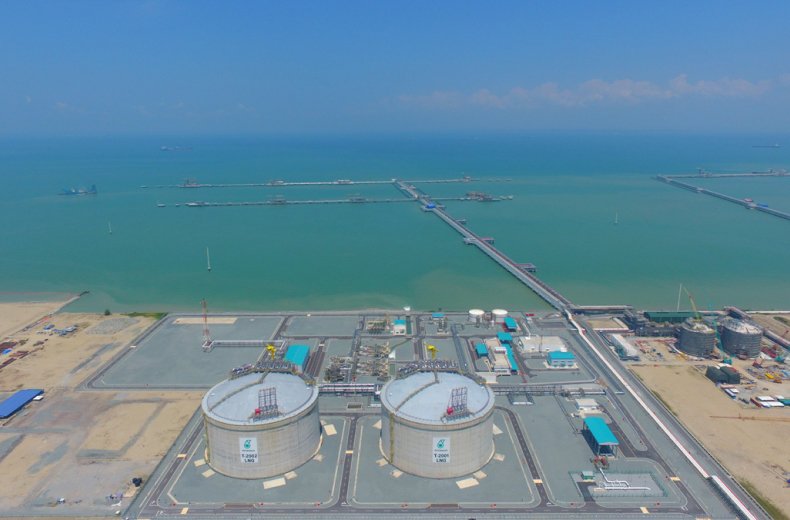
If you drive toward Desaru or Kota Tinggi, you’ll notice the landscape shifting from palm oil trees to massive silver tanks. This isn’t just storage; it’s a calculated plan to connect Malaysia to global trade. Pengerang acts as a giant “petrol station” and “pantry” for the shipping world.
The secret is the depth. In shipping, “deepwater” is gold. Most ports must constantly dig out sand, but Pengerang naturally allows Very Large Crude Carriers (VLCCs) to come right to the pier. This Pengerang port connectivity saves money and reduces the risk of accidents by removing the need to transfer cargo to smaller boats at sea.
Beyond industry, this hub transforms local lives. As the shipping hub grows, it brings engineers, office workers, and service providers. This leads to more housing, better eateries, and improved roads. Even if you aren’t in the oil sector, the “vibe” of the whole state becomes more vibrant.
The “behind-the-scenes” of how cargo actually moves
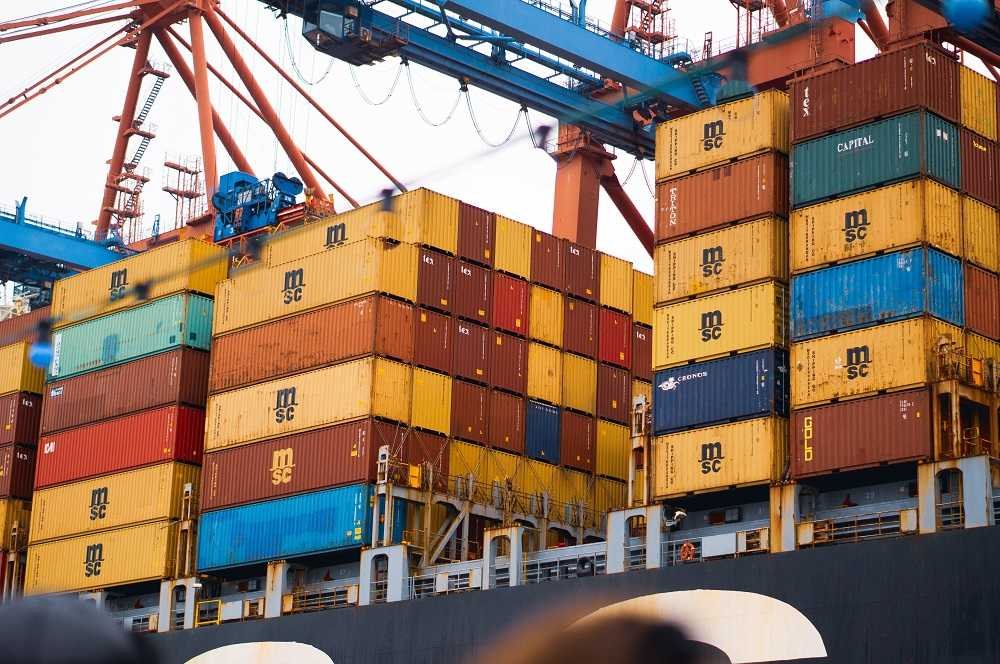
The Pengerang supply chain is like a giant Mamak stall during the breakfast rush—timing is everything. If one ship is late or a pipe is blocked, the whole order is delayed. Logistics management ensures everything flows smoothly, moving liquids and gases through a sophisticated, automated network of pipes and pumps.
Safety standards here are incredibly tight; 24/7 monitoring and sensors are the norm. While the infrastructure does the heavy lifting, organizations like the Pengerang Industrial Hub (PIH) provide the administrative and neutral support necessary to keep the business environment stable and efficient.
The reality of choosing a spot for industrial support
Investing here is a long-term game. With available land, natural deep water, and government focus, the industrial support is solid. However, success requires coordination. It’s an ecosystem that needs specialized workers, ship part suppliers, and even local catering or truck maintenance to thrive.
Common misunderstandings about maritime hubs
One thing I often hear from friends over dinner is that they think Pengerang is “too far away” or “too isolated.” Actually, if you look at a map, it’s right at the tip of the peninsula. It’s a prime spot. What people don’t realize is that isolation is actually a good thing for safety and security when dealing with massive amounts of fuel. You don’t want a bulk cargo port right in the middle of a crowded city like Kuala Lumpur.
Another misunderstanding is that all these investments only benefit big “overseas” companies. To be frank, while the big players bring the capital, the local Pengerang supply chain is what keeps it running daily. Local transporters, local safety officers, and even local IT firms get a piece of the pie. The Pengerang Deepwater Terminal logistics system requires so many different parts to work together that it’s almost impossible not to involve the local community.
Also, some people worry about the environment. Of course, any big project has an impact. But modern Pengerang maritime logistics are much cleaner than they were 20 years ago. There are strict international rules that ships and ports must follow. It’s not just about “making money”; it’s about making sure the Pengerang shipping hub remains viable for the next 50 years. If the water gets polluted or the site becomes unsafe, the ships will just go somewhere else. So, it’s in everyone’s best interest to keep things tip-top.
Pengerang is like a new town built with a very specific purpose. For Malaysians, seeing Johor become a global player in logistics provides both pride and opportunity. Whether you are looking for a career change or business expansion, the growth of Pengerang Deepwater Terminal Logistics is a clear sign that things are moving forward.
💬 Pengerang Logistics: Is it the Right Move for Your Business?
A clear, no-nonsense look at the most common questions regarding the Pengerang Deepwater Terminal and its industrial ecosystem.