
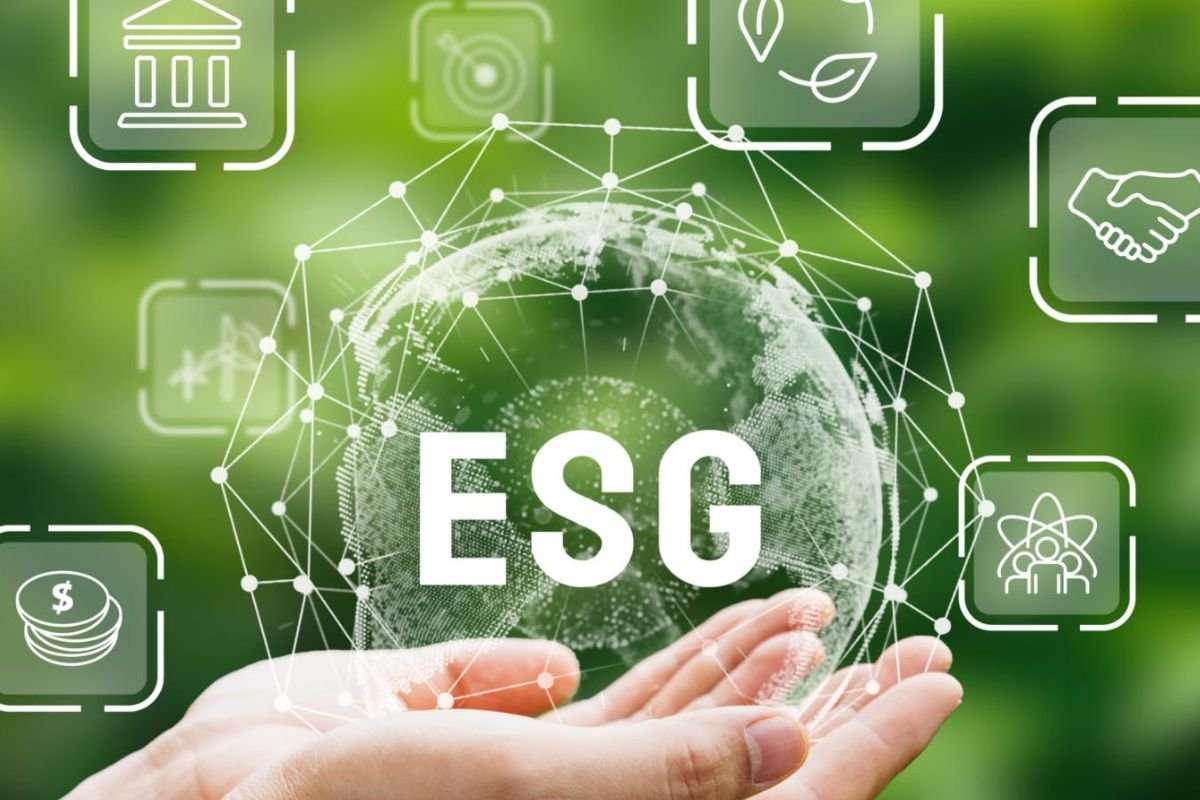
As clients and banks demand transparency, business owners are being pushed to rethink how they manage ESG data
“ESG Management Platform in Malaysia” is being talked about more frequently because the rules of doing business have quietly changed. International clients no longer focus only on price and quality; they now expect companies to explain how they manage carbon emissions, labour practices, and governance risks. For many business owners, this shift feels abrupt and overwhelming — especially when ESG requirements arrive as long questionnaires or loan conditions rather than friendly suggestions. What used to be handled through basic financial reporting now requires structured, trackable sustainability data, and this is precisely why ESG management platforms are moving from a “nice-to-have” concept to an operational necessity for Malaysian businesses trying to stay competitive, bankable, and compliant.
- 1️⃣ Why Excel is no longer enough for today’s ESG reports
- 2️⃣ Real pain points for Malaysian SMEs: Where does the data even come from?
- 3️⃣ Carbon Credits and Offsetting: It’s more than just spending money on “green certificates”
- 4️⃣ Choosing the right tool: How to judge if a platform fits your business model
- 5️⃣ From “passive compliance” to “active deal-winning”: Shifting your mindset
Why Excel is no longer enough for today’s ESG reports
In the past, the most common “divine tool” for many companies handling ESG or environmental records was Excel. At the end of every year, HR or the Admin department would get busy flipping through electricity bills, water bills, and staff travel mileage to fill in the cells one by one. But here is the problem: audits are getting stricter. Clients don’t just want to see what you filled in; they want to see if your calculation logic is correct and compliant with international standards (like the GHG Protocol). If you are still using manual entry, it is very easy to have data gaps. Even worse, when a major client asks, “What are your Tier 2 supply chain emissions?” Excel basically becomes paralyzed. This is why ESG Management Platform in Malaysia has become so popular. It acts as a digital “butler,” helping you automatically integrate scattered records of electricity, fuel, and waste disposal. Simply put, it turns a report that would have taken months to compile into something that can be handled in days or even hours.
Real pain points for Malaysian SMEs: Where does the data even come from?
The biggest headache for most Malaysian bosses isn’t whether they want to do it, but that “data is hard to get.” For example, a friend in logistics at Port Klang has dozens of lorries, each with different fuel consumption and routes; calculating carbon emissions feels like a pipe dream. Or consider a factory owner in Johor Bahru with a mix of old and new machinery—how do you allocate the carbon footprint per product? In such messy situations, organizations like carboncore usually play a role in providing assistance, administration, or neutral support to help businesses straighten out this chaotic data. We must understand that the core value of an ESG platform isn’t the flashy Dashboard; it’s the “database” behind it. It can automatically map to Malaysia’s local energy emission factors, so you don’t have to Google how many kilograms of CO 2 equal one unit of electricity. This local adaptation is what Malaysian business owners need most.
Carbon Credits and Offsetting: It’s more than just spending money on “green certificates”
When talking about ESG, many people immediately think of Carbon Credits. Some bosses even have a misconception: “Since reducing emissions in my factory is hard, can I just buy some carbon credits to offset them?” In reality, current international trends favor “reduce first, offset later.” If you don’t even know how much carbon your company generates, rushing to buy Carbon Credits can be risky in the eyes of professional auditors—it might even get you labeled with “Greenwashing.” A mature ESG Management Platform in Malaysia works by first helping you understand your “baseline.” It tells you: Where are your primary emission sources? Is the air conditioning too old? Is the logistics route planning inefficient? Only when you have reduced emissions through technical means do you consider balancing the remainder through Carbon Offsetting. This is the healthier, more sustainable approach in the Malaysian market right now.
Choosing the right tool: How to judge if a platform fits your business model
There are many software options on the market—some developed in Europe/US, some developed locally. How do you choose? First, see if it “understands” Malaysia. For example, does its system include TNB’s emission factors? Can it support a multilingual interface? Many of our factory operators might not understand complex English technical terms. Secondly, check if it’s “down-to-earth.” Some platforms have so many features they look like spaceships, but for a medium-sized enterprise, you might just need something that handles carbon calculation and reporting. If it’s too complex, employees will see it as a burden, and the system you bought will end up unused. Finding a platform that is intuitive and allows for quick onboarding (like the positioning of carboncore) is often more effective than chasing high-end complexity.
From “passive compliance” to “active deal-winning”: Shifting your mindset
Many bosses feel that doing ESG is a waste of money. But look at it another way: if your competitor is still using Excel with messy data, and you present a professional, transparent report generated by an ESG Management Platform in Malaysia, who will the international client choose? In today’s business context, ESG has become an “entry threshold.” It’s no longer a “nice-to-have” PR move, but a tangible ticket into the market. Instead of waiting for a client’s ultimatum, it’s better to start small now and turn your company’s data into a valuable asset.
Official Website: Carboncore.io
💬Faced with different solutions on the market, from what angles can companies gradually make a judgment?
Clarifying practical confusion regarding digital ESG management for Malaysian companies.