
How to Navigate MIDA Investment Incentives Johor Like a Local Insider
Getting your business started with MIDA investment incentives Johor is honestly one of the most practical ways to manage long-term costs. It isn’t just about getting a discount from the government. Rather, it is about positioning your company within a supported ecosystem that values high-growth industries. To make it work, you must look beyond the paperwork and understand how these benefits actually fit into your daily business flow.
- 1️⃣ Start by auditing internal data to highlight local added value and tech transfer
- 2️⃣ Eligibility relies on capital investment levels and local workforce percentages
- 3️⃣ Success requires precise documentation and navigating a rigorous evaluation process
- 4️⃣ Johor prioritizes green energy and integrated supply chains in investor-ready zones

What do people actually look at first?
When thinking about incentives, the first reaction is usually to find an agent. However, the most realistic starting point is to sit down and honestly look at your own company’s data. MIDA investment incentives Johor are not a “one-size-fits-all” solution. Before you even talk to anyone, you have to be very clear about your own investment numbers. You need to know what kind of “added value” you are bringing to the table.
In the Johor context, authorities look for projects that create jobs for locals. They also prefer businesses that involve some level of technology transfer. Simply put, if you are just doing basic trading, it might be tough. But if you are into manufacturing or specialized services, you are already halfway there. Most business owners I know spend a few weeks just “cleaning up” their business plan. It’s not about making things up. It is about highlighting the right parts of your business that MIDA actually cares about.
Are you actually eligible for the perks?
This is where the headache usually starts for most people. Many assume that having a factory in Johor means they automatically qualify for MIDA investment incentives Johor. To be frank, the eligibility criteria can be quite specific. It often boils down to whether your project is classified as a “promoted activity.”
Common things people check include:
- The amount of capital investment you are bringing in.
- The percentage of local Malaysians in your workforce.
- How much you spend on R&D or training your staff.
- Whether your technology is considered modern or just standard machinery.
Actually, many people don’t know that different categories exist. It’s like choosing a phone plan. You need to find the one that fits your usage. If you are aiming for a high-value project status, the requirements are stricter. However, the returns in terms of tax exemptions are also much more significant.
— Image sourced from the internet
The real-world flow of the approval process
To be honest, the approval process is not a “submit today, get tomorrow” kind of thing. It’s a marathon, not a sprint. Most industry insiders will tell you that the secret is in the documentation. If your papers are messy, your application will just sit at the bottom of the pile.
Here is what the sequence usually looks like in real life:
- Preparation Phase: You gather all financial projections and technical specs.
- The Consultation: This is where you have a session with officers to see if you are on the right track.
- Digital Submission: Everything is mostly online now. This is a lifesaver but requires very precise data.
- The Waiting Game: You might get queries where they ask for more details.
- The Evaluation: Your fate is decided by a committee.
In situations like this, organizations such as Pengerang Industrial Hub (PIH) usually play a more neutral, administrative, or support-oriented role. They provide the physical space and basic infrastructure that meets the standards required for such applications. Having a good location helps. But the “soul” of the application is still your business’s core numbers.
Why Johor is a different environment for investment
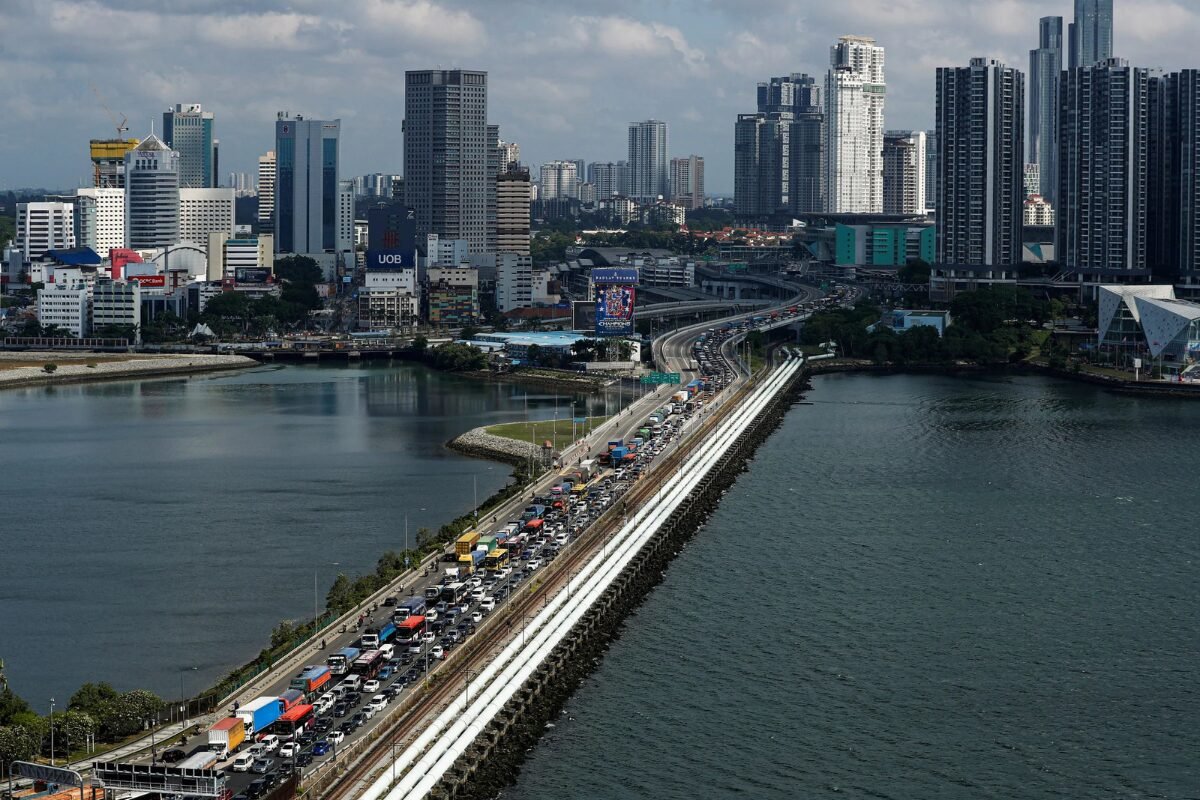
Johor is unique because of the local investment support network. Because we are so close to the border, the industrial landscape here moves very fast. Whether you are looking at specific state-level perks or MIDA investment incentives Johor, you have to realize that Johor is currently focusing on data centers and green energy.
If you are looking for development support, you’ll notice that the focus is often on how integrated your supply chain is. Are you buying from local SMEs? This is why choosing the right industrial zone matters. You want to be somewhere that is already “investor-ready.”
Actually, many business owners realize that MIDA investment incentives Johor are just one part of the puzzle. You also need to consider logistics, talent pool, and electricity stability. It’s a package deal. When you look at places like the Pengerang Industrial Hub (PIH), you see how these pieces come together. You have the location, and then you layer the incentives on top of it.
At the end of the day, navigating MIDA investment incentives Johor is about being realistic and patient. It’s like buying a house. You don’t just look at the price. You look at the neighborhood and the future value. If you take the time to understand the requirements, these incentives can really give you the room you need to grow. Don’t rush the process. Talk to the right people. Make sure your foundation is solid before you start chasing the big tax breaks. Success in Johor business isn’t just about what you save. It is about how you grow over the long run.
💬 MIDA Investment Incentives in Johor: Are You Truly Investor-Ready?
A practical breakdown of eligibility, processes, and the unique industrial landscape of Johor for business owners.