Lock in your position at the Top1 Industry Hub Malaysia by leveraging Pengerang’s infrastructure before the major 2026 development phase begins
As Malaysia accelerates its industrial transformation agenda, one location is emerging above the rest. Pengerang Industrial Hub (PIH) in Johor is structurally positioned to lead Malaysia’s next decade of manufacturing, logistics, and high-value industrial growth. For investors, manufacturers, and strategic planners watching where Southeast Asia’s industrial momentum is heading, Pengerang is the location that demands attention.
🔴 Quick Read
The Shift Is Already Happening: Malaysia’s Industrial Centre of Gravity Is Moving South
For decades, Malaysia’s industrial activity clustered around the Klang Valley, Penang, and the established zones of Johor Bahru’s western corridor. That geography is changing. The signing of the Johor-Singapore Special Economic Zone (JS-SEZ) agreement has redirected investment attention to the southern Johor corridor — and within that corridor, Pengerang sits at the most strategically significant node.
The JS-SEZ designates nine flagship zones across Johor. Pengerang carries Flagship H status, anchored by the Pengerang Integrated Petroleum Complex (PIPC) — home to PETRONAS RAPID, a USD 27 billion downstream oil and gas facility that is the largest of its kind in Southeast Asia. No other industrial address in Malaysia can claim this level of energy infrastructure adjacency. This concentration of capital, infrastructure, and policy priority is what gives PIH a credible claim as one of Malaysia’s most strategically positioned industrial developments — grounded in national designation, not marketing language.
What Sets a Leading Industrial Hub Apart From the Rest
Not every industrial park earns the standing of a Malaysia flagship industrial hub. The distinction comes down to four compounding advantages that are difficult to replicate:
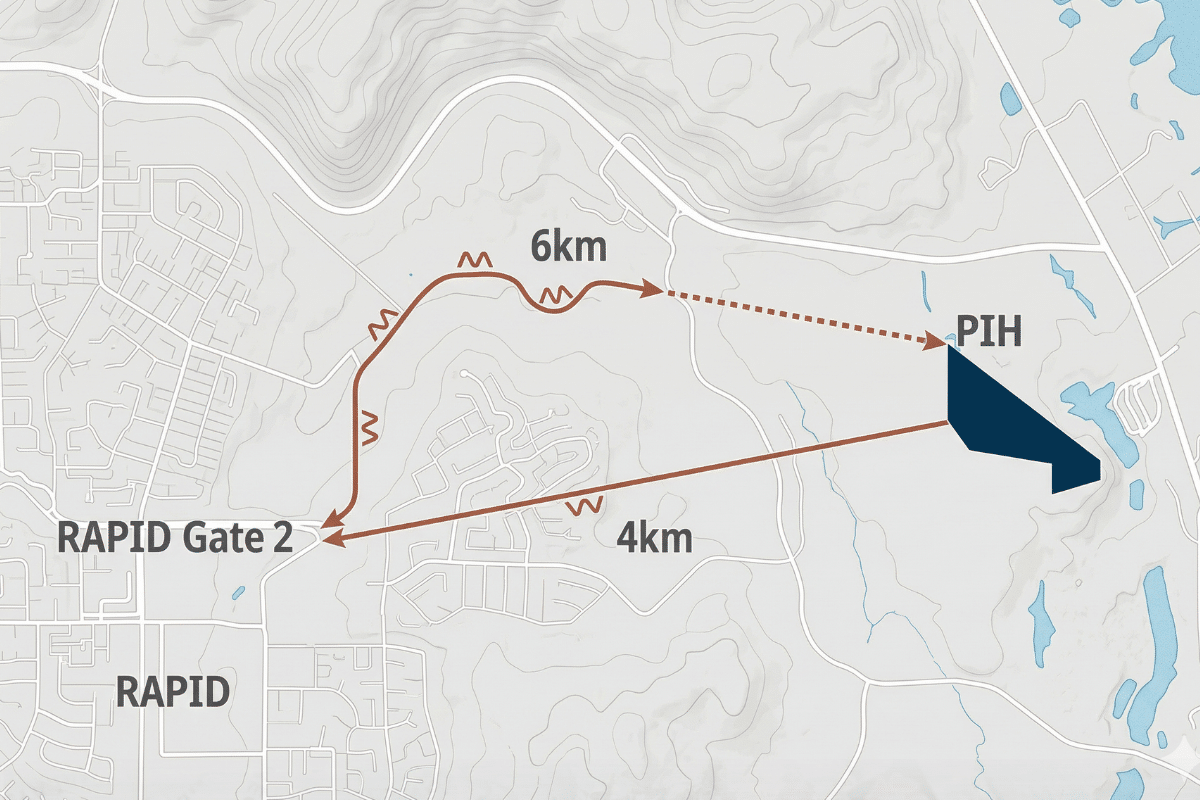
- Feedstock and energy proximity: PIH sits 4 km from PETRONAS RAPID Gate 2. For manufacturers in chemicals, downstream processing, polymers, and energy-intensive sectors, this is a direct operational cost advantage — not an incidental benefit.
- Deep-water port access: Two MOLF (Marine Oil and Logistics Facility) terminals — Teluk Ramunia at 8 km and Tanjung Setapa at 18 km — serve oversized cargo, heavy equipment, and large structural components. Few industrial zones in Malaysia offer this level of heavy cargo handling within such close proximity.
- Cross-border supply chain integration: Singapore’s port network sits 130 km away by sea. PIH’s dual waterway access routes create a genuinely export-driven industrial position with direct integration into one of Asia’s busiest cargo systems.
- Policy-backed incentive architecture: PIPC-specific tax incentives, MIDA Pioneer Status, Investment Tax Allowance, import duty exemptions, and JS-SEZ facilitation through IMFC-J create a layered incentive environment that few industrial locations in Malaysia can match.
The Trend Line: Why Global and Regional Capital Is Flowing Into Pengerang
Over the past five years, global supply chains have changed significantly. Nearshoring pressure, US-China trade tensions, and ASEAN’s manufacturing growth have all reshaped investment decisions.As a result, Malaysia is now receiving stronger attention from regional and global investors. However, the story is no longer limited to Penang’s electronics corridor.Singapore-based companies are expanding or relocating operations. At the same time, multinational manufacturers are seeking lower-cost locations with strong infrastructure. Regional logistics operators are also looking for better ASEAN distribution bases.
Because of this, many investors are studying the same map. The Pengerang corridor often appears near the top of feasibility assessments. The reason is clear. Pengerang combines energy infrastructure, port access, JS-SEZ incentives, and land availability. This combination makes it one of Malaysia’s most competitive industrial locations. Other zones, such as Tanjung Langsat and Pasir Gudang, already have established industrial activity. However, they do not combine the same set of advantages. PIH offers PIPC energy adjacency, JS-SEZ Flagship H status, and dual MOLF deep-water terminal access. Together, these factors define its investment thesis.
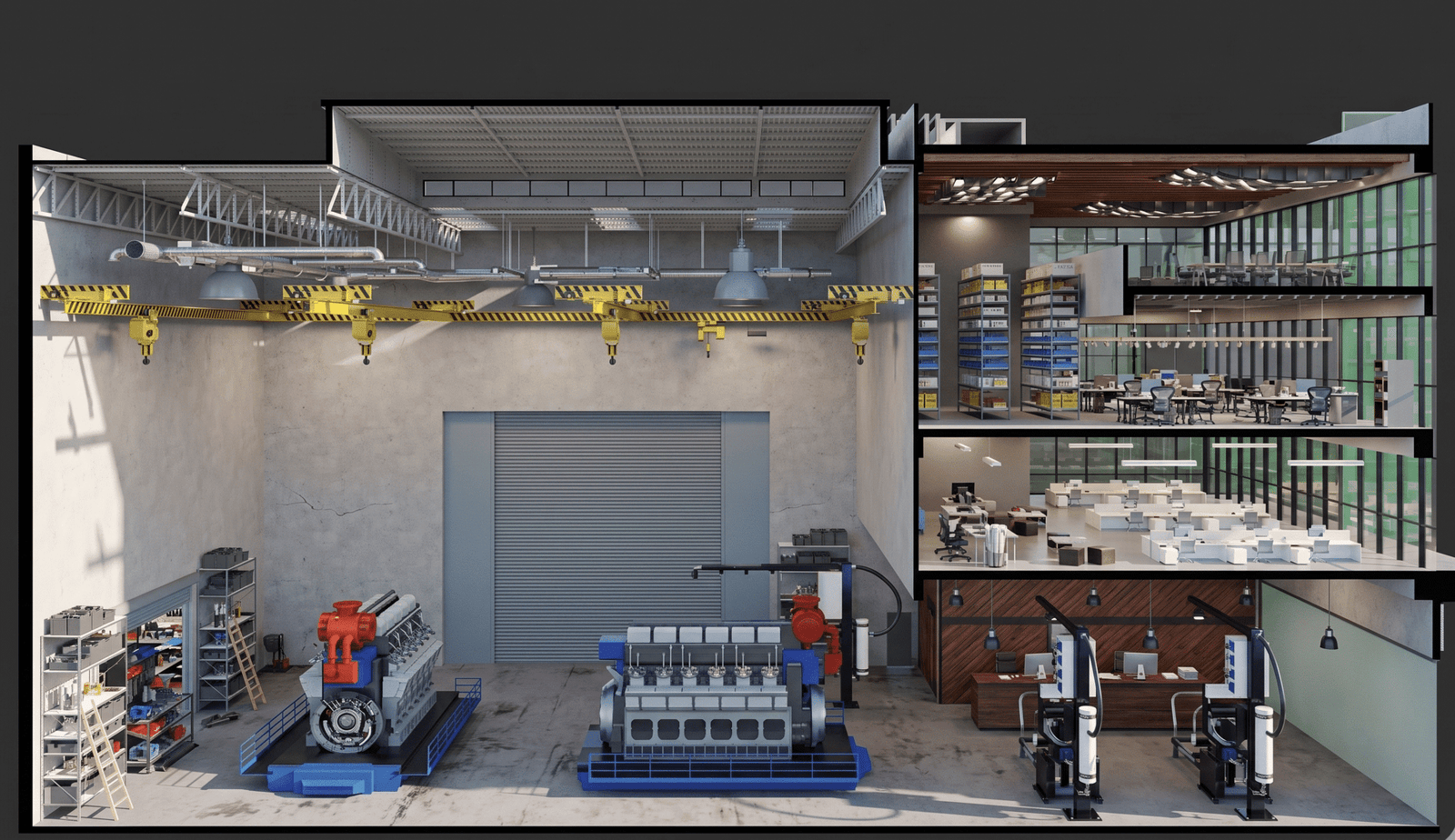
Factory Infrastructure Built for the Demands of Modern Industry
Strategic location is important. However, it only matters if the physical infrastructure can support real operations.
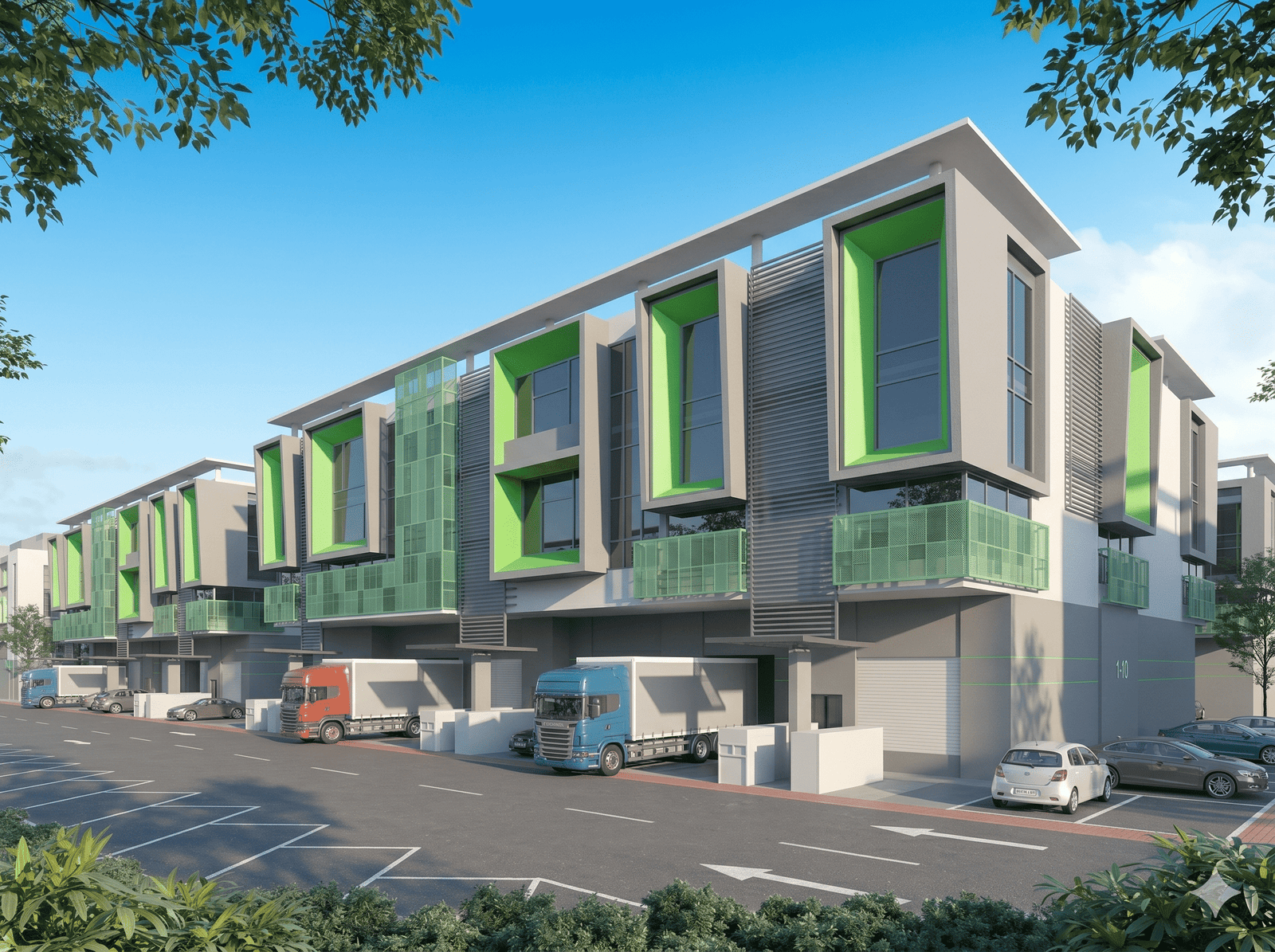
- Ground floor load bearing of 50 kN/m² — suitable for heavy machinery and precision equipment
- Clear heights of up to 15 metres — accommodating cranes, automated systems, and multi-level configurations
- 30-metre main access roads — enabling unobstructed movement of heavy vehicles and oversized loads
- Gated and guarded environment with security coverage across key locations
- Three factory formats — detached, semi-detached, and terrace — with strata titles, serving businesses from growth-stage SMEs to large-scale multinationals
Because of this range, PIH can serve different business stages. Growth-stage SMEs, logistics operators, and large-scale multinationals can all find suitable formats.
This is the infrastructure profile of a Malaysia strategic industrial hub built for future demand. It is designed for the next 20 years, not the last 20.
| Category | Key Competitive Edge |
|---|---|
| Strategic Synergy | 4 km to PETRONAS RAPID and dual deep-water ports for direct energy feedstock access and global export connectivity |
| Policy Upside | JS-SEZ Flagship H status with layered government incentives and streamlined IMFC-J facilitation |
| Heavy Infrastructure | 50 kN/m² floor loading and 15m clear height purpose-built for heavy machinery and advanced industrial operations |
| Integrated Ecosystem | Master-planned industrial development designed to support long-term operational scalability across light, medium, and heavy industries |
For investors and business owners, PIH presents a compounding case. It offers JS-SEZ Flagship H status, PETRONAS RAPID adjacency, dual MOLF access, government incentives, and an integrated master plan.
Most importantly, these advantages reduce the operational risks often associated with industrial expansion. Instead of treating location, infrastructure, and incentives as separate issues, PIH brings them into one strategic industrial ecosystem.
Everything You Need to Know About Pengerang Industrial Hub (PIH)
Is Pengerang Industrial Hub officially recognised as a leading industrial location in Malaysia?
Yes. PIH operates within JS-SEZ Flagship H — the Pengerang Integrated Petroleum Complex (PIPC) — one of nine nationally designated flagship zones under the Johor-Singapore Special Economic Zone framework, adjacent to PETRONAS RAPID, the largest downstream oil and gas facility in Southeast Asia.
What makes PIH a stronger industrial base than Tanjung Langsat or Pasir Gudang?
PIH uniquely combines 4 km proximity to PETRONAS RAPID, dual MOLF deep-water terminal access at 8 km and 18 km, JS-SEZ Flagship H incentive eligibility, and an integrated master plan for light, medium, and heavy industries — a combination neither Tanjung Langsat nor Pasir Gudang offers simultaneously.
What factory types and specifications does PIH offer?
PIH offers detached, semi-detached, and terrace factories, all with 50 kN/m² ground floor load bearing, clear heights of 13–15 metres, and 30-metre main roads designed for heavy vehicle movement.
What industries is PIH suitable for?
PIH is designed for light, medium, and heavy industries, including manufacturing, logistics, precision engineering, assembly, downstream petrochemical processing, and export-oriented operations serving ASEAN and Singapore markets.
What government incentives are available at PIH?
PIH occupants can access MIDA Pioneer Status, Investment Tax Allowance, PIPC special tax packages with import duty and stamp duty exemptions, and JS-SEZ incentives facilitated through IMFC-J — with the application window open from 1 January 2025 to 31 December 2034.