
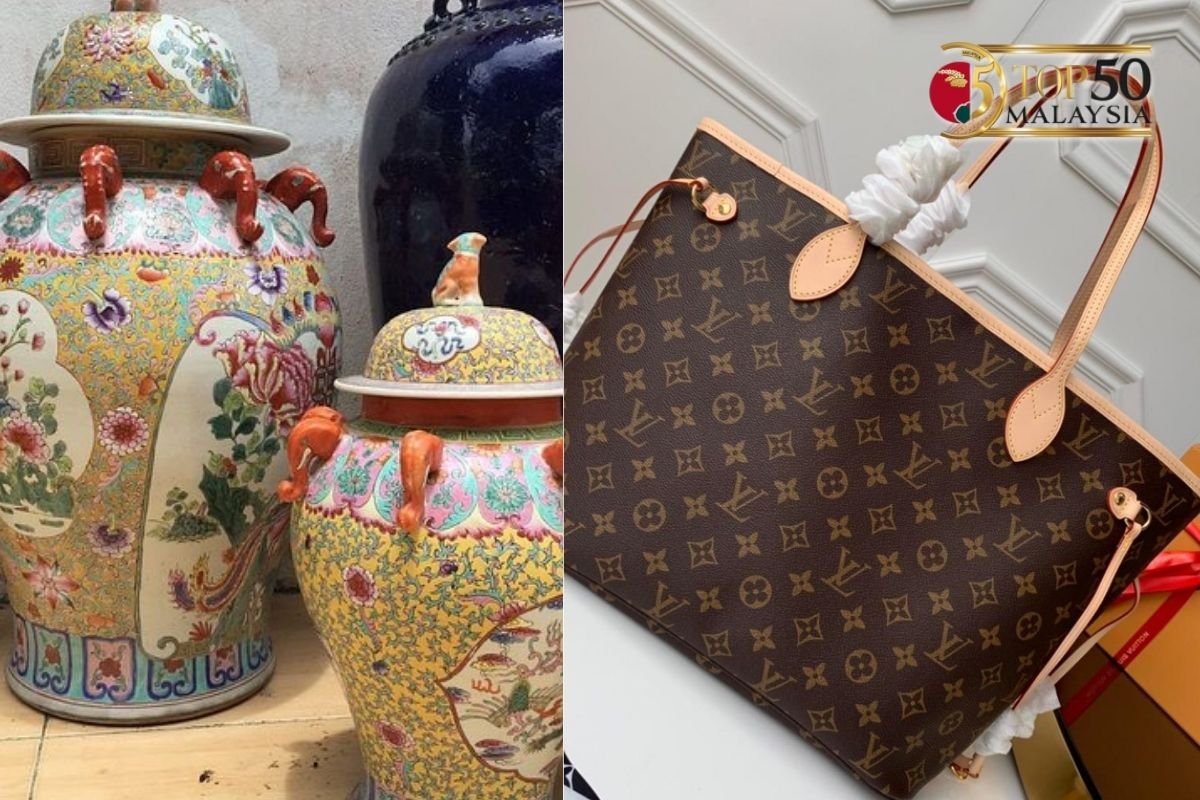
For many people today, luxury goods are far more than accessories. A designer handbag may symbolize years of hard work, a luxury watch may represent a milestone, and collectible items often carry emotional weight. As more individuals invest in branded bags, luxury watches, jewelry, and rare collectibles, one question appears more frequently: Can you include luxury items in a will?
The answer is simple—yes, and doing so is not only legally valid but also highly recommended. Whether you own a Rolex, a Chanel Classic Flap, a Hermès Birkin, or a collection of valuable sneakers, these items are considered personal movable assets. The clearer you list them, the smoother the inheritance process will be for your family.
This guide breaks down everything you need to know about Luxury items in will, how to list them properly, and why legal clarity matters more than ever.
Quick Guide
- 1. Why Luxury Items Should Be Included in a Will
- 2. Understanding What Counts as Luxury Property
- 3. How to Clearly Identify Each Luxury Item
- 4. Best Practices for Writing Clear Instructions
- 5. How an Executor Manages Luxury Items After the Will Takes Effect
- 6. What Happens If Luxury Items Are Not Listed?
- 7. Ensuring Clarity with Digital Estate Tools
- 8. Listing Luxury Items Is the Kindest Thing You Can Do
Why Luxury Items Should Be Included in a Will
Most people assume wills are only for money, property, or bank assets. But legally, luxury goods fall under personal movable property, which means they can be freely assigned to any beneficiary. By explicitly listing luxury items in a will, you ensure clarity and prevent unnecessary conflicts among loved ones.
Another reason is emotional. Luxury items often carry stories and sentimental value. A mother’s favorite LV bag may mean more to one child than another. A father’s luxury watch may symbolize treasured memories. Without guidance, family members may argue over both value and sentiment.
Therefore, including Luxury items in will is not just a legal step—it is an emotional safeguard.
Understanding What Counts as Luxury Property
Luxury property includes any high-value item that holds personal or financial significance. This may include designer handbags, luxury watches, fine jewelry, rare artwork, collectibles, or even limited-edition sneakers.
Many people ask:
“Can branded watches be included in a will?”
Yes, watches—from Rolex to Patek Philippe—are among the most commonly inherited valuables.
“Can branded bags be included in a will?”
Absolutely. Designer handbags like Chanel, Dior, Hermès, and Celine are recognized as personal assets and can be clearly assigned to a specific beneficiary.
“Can valuable personal items be written into a will?”
All valuable items, big or small, can be documented as long as they can be identified.
How to Clearly Identify Each Luxury Item
When listing luxury items in a will, precision is essential. Vague descriptions can create confusion or disputes. Therefore, every item should be described in a way that makes it unmistakably identifiable.
A complete description typically includes brand, model, color, serial number, unique details, and sometimes purchase year. For example:
“Chanel Classic Flap, Medium, Black Caviar, Gold Hardware”
“Rolex Datejust 36, Blue Dial, Serial XXXXXXX”
The goal is certainty—ensuring your executor can identify the item without doubt and deliver it to the correct beneficiary.
Luxury Items in Will: Best Practices for Writing Clear Instructions
Writing valuable items in will is easy if you follow a structured approach, especially if you own multiple high-value goods. Start with items of the highest financial or emotional value.
Lastly, include the intended beneficiary’s full name. This eliminates interpretation or assumption, ensuring your wishes are followed exactly.
How an Executor Manages Luxuries Items After the Will Takes Effect
Once the will becomes legally effective, the executor—often a trusted family member or appointed representative—must locate, verify, and distribute each valuable item. Clear descriptions make this process significantly easier.
First, the executor confirms the existence of each item and matches it with the description in the will. Next, they ensure proper storage, as many luxuries items require careful handling.
The more precise the will, the fewer emotional or legal complications arise.
What Happens If Luxury Items Are Not Listed?
If goods are not written into a will, the law treats them as general personal assets. This often means dividing everything among legal heirs. But valuable goods rarely suit equal distribution.
This is exactly the kind of conflict most people want to prevent. Listing valuable items in will removes uncertainty and preserves harmony.
Ensuring Clarity with Digital Estate Tools
Modern estate-planning platforms allow you to upload photos, descriptions, receipts, or certificates of luxury goods. This creates a digital trace that supports both identification and verification. Structured templates also help individuals systematically record each item without missing details.
Digital storage ensures the information remains accessible, secure, and up-to-date, even if you continue to purchase new luxury goods.
Listing Luxury Items Is the Kindest Thing You Can Do
Luxury items in will are not merely assets but memories. To protect your family from disputes and ensure each valuable object reaches the right person, clear documentation is essential. The more detailed your descriptions and assignments, the smoother the transition will be for loved ones. Luxury goods deserve thoughtful planning—and so do the people who will inherit them.A
Website:SmartWills Malaysia / SmartWills Singapore
Email:enquiry@smartwills.com.my
Contacts: MY – 012 334 9929 / SG – 65 8913 9929
Address :MY – No. 46A (1st Floor, Jalan Ambong 1, Kepong Baru, 52100 Kuala Lumpur
SG – 1, NORTH BRIDGE ROAD, #06-16 HIGH STREET CENTRE, SINGAPORE 179094