

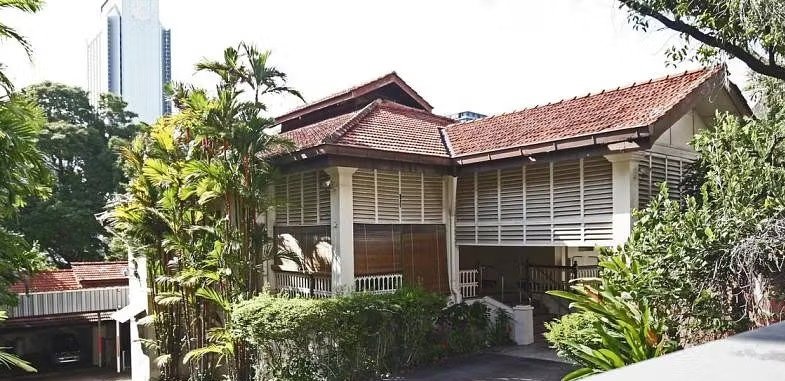
The Lee Kuan Yew’s House Dispute has captured widespread attention. After the passing of Singapore’s founding Prime Minister, the future of his 1898-built residence on 38 Oxley Road has become a focal point of family and public debate. While Lee Kuan Yew had requested the house to be demolished after his death, disagreements among his children have complicated the execution of his wishes.
This case demonstrates that even the families of national leaders are not immune to inheritance disputes. It has been highlighted that unclear instructions or ambiguous provisions in a will can lead to prolonged disagreements. Consequently, proper estate planning has become a topic of public interest.
Summary
Why Wills Can Still Lead to Disputes
Despite the presence of a will, disputes can arise due to several common issues. Firstly, wills are sometimes drafted with vague language. For example, beneficiaries may be unclear, or the responsibilities of executors may not be properly defined. Secondly, legal requirements may not be fully observed. Under Singapore wills law, witnesses must be independent and impartial. Failure to comply with these rules may render a will invalid.
Furthermore, wills may not be updated over time. As assets change or family dynamics evolve, outdated wills may conflict with the current reality, creating family disputes and inheritance controversies. In the case of Lee Kuan Yew’s House Dispute, it was observed that family disagreements over the property persisted over the years due to evolving opinions and personal interpretations.
How SmartWills Online Wills Provide Clarity and Legal Security
To address these challenges, SmartWills online wills offer a dynamic and legally compliant solution. Through the platform, users can draft, update, and securely store their wills digitally. Changes can be made to reflect current wishes, ensuring that the will remains relevant over time.
Executors can also be clearly designated, guaranteeing that the testator’s instructions are followed. With legal verification and proper witness mechanisms, disputes can be minimized. Had such a system been applied to Lee Kuan Yew’s estate, conflicts over Oxley Road could potentially have been avoided.
Additionally, the importance of SmartWills estate planning extends beyond high-profile cases. Ordinary families can benefit by clearly defining family asset distribution, inheritance arrangements, and executor responsibilities, reducing the likelihood of disputes when loved ones pass away.

The Broader Implications for Families
Even if assets are modest, the lessons from the Lee Kuan Yew’s House Dispute are clear: proper planning is essential. Legal recognition of wishes through SmartWills ensures that family members understand and respect the decedent’s intentions. By taking these steps, conflicts can be minimized, and family harmony can be preserved.
Dynamic online wills also provide flexibility. They allow modifications as family circumstances or assets change, making it far easier to maintain clarity. Families can proactively manage inheritance distribution and mitigate potential disputes without waiting for legal intervention.
Wills Are an Act of Love, Not Conflict
The Lee Kuan Yew’s House Dispute underscores a fundamental principle: a will is not just about dividing assets; it is about preventing conflict and honoring family relationships.
Through platforms like SmartWills, individuals can ensure that their estate planning, asset inheritance arrangements, and family financial distribution are legally protected. Proper wills are a manifestation of care and responsibility, allowing family members to follow the testator’s wishes smoothly. In essence, estate planning is a gift of clarity, love, and peace to those left behind, rather than leaving disputes to the courts.、
Website:SmartWills Malaysia / SmartWills Singapore
Email:enquiry@smartwills.com.my
Contacts: MY – 012 334 9929 / SG – 65 8913 9929
Address :MY – No. 46A (1st Floor, Jalan Ambong 1, Kepong Baru, 52100 Kuala Lumpur
SG – 1, NORTH BRIDGE ROAD, #06-16 HIGH STREET CENTRE, SINGAPORE 179094